
‹
›
‹
›
Aaluminum tube
Product Description
Product Overview
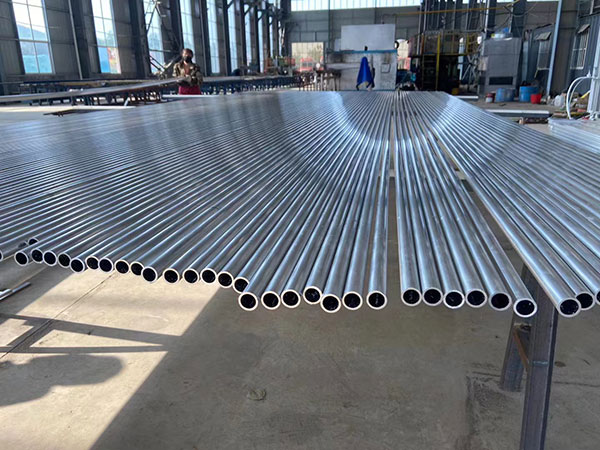
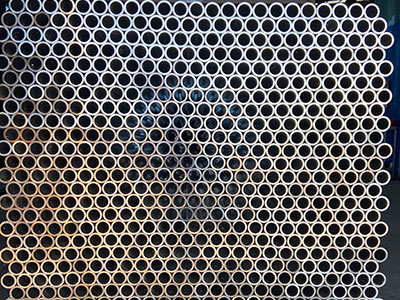
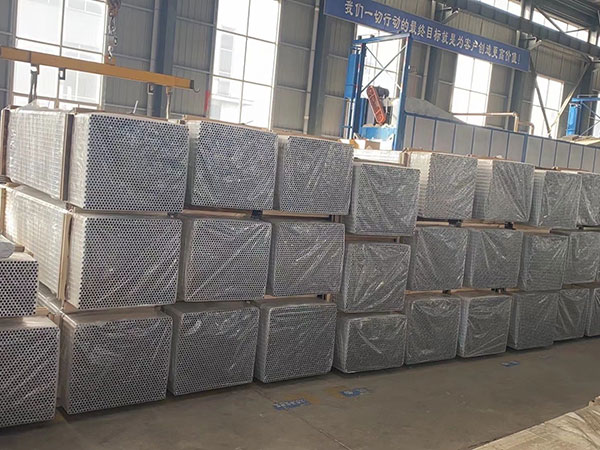
An Aaluminum tube is a hollow non-ferrous metal profile produced through extrusion from pure aluminum or aluminum alloy. It is valued across manufacturing, construction, transport, equipment fabrication, and decorative projects because it combines low weight with practical strength and strong resistance to everyday environmental exposure. Depending on design needs, it can be supplied in round, square, patterned, or special-shaped forms, giving engineers and buyers flexibility when balancing structural performance, appearance, and ease of assembly.
From a processing perspective, this product generally includes seamless aluminum tubes and ordinary extruded tubes. That distinction matters in applications where dimensional consistency, internal pressure, fabrication method, or downstream machining requirements must be considered. In many real-world projects, the right tube profile reduces total component weight, supports efficient fabrication, and helps streamline transport and installation without sacrificing essential durability.
One of the key advantages of aluminum tubing is its natural resistance to corrosion. Aluminum forms a protective oxide layer on its surface, which helps it perform well in humid, outdoor, and mildly corrosive conditions. For more demanding service environments, surface treatment is often recommended. Processes such as anodizing or electrophoretic coating can further improve corrosion resistance while also enhancing surface finish, cleanliness, and visual consistency. This makes the material suitable not only for functional industrial parts, but also for visible architectural and decorative components.
Key Features and Practical Benefits
Lightweight with Broad Design Utility
Compared with many traditional metal pipe materials, aluminum offers a clear weight advantage. A lighter tube can simplify handling during fabrication, lower transportation costs, and reduce overall load in finished systems. This is especially useful in vehicle structures, frames, supports, equipment housings, display systems, and modular assemblies where every kilogram matters. The material is also easy to cut, drill, bend, and machine, making it a practical choice for both standard production and custom fabrication.
Corrosion Resistance for Longer Service Life
The corrosion-resistant nature of an Aaluminum tube is one of its strongest commercial benefits. In indoor or moderate outdoor settings, the base material already offers dependable performance. When the application involves moisture, changing temperatures, or the need for a more refined finish, additional surface treatment can help extend service life and improve visual quality. Buyers looking for a balance between functionality and appearance often choose anodized or coated aluminum profiles for this reason.
Heat-Treatable Strength Potential
Another important characteristic is that aluminum alloy tubing can be strengthened through heat treatment, depending on the alloy and processing route. This allows manufacturers to tailor performance for applications requiring improved mechanical properties. In practice, that means the material can serve in projects where a simple lightweight tube is not enough, but where the user still wants the fabrication and corrosion advantages associated with aluminum.
Multiple Shapes for Different Industries
Because extrusion supports a wide range of profile designs, this product is available in several common and specialized forms. Each form serves a different functional purpose:
- Round tubes: often selected for fluid guidance, handrails, frames, sleeves, and general structural use.
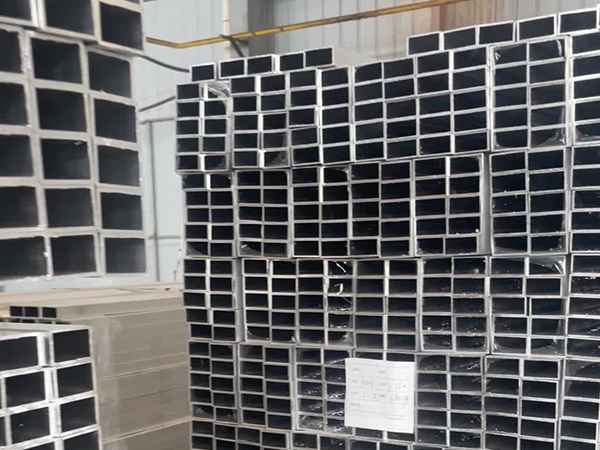
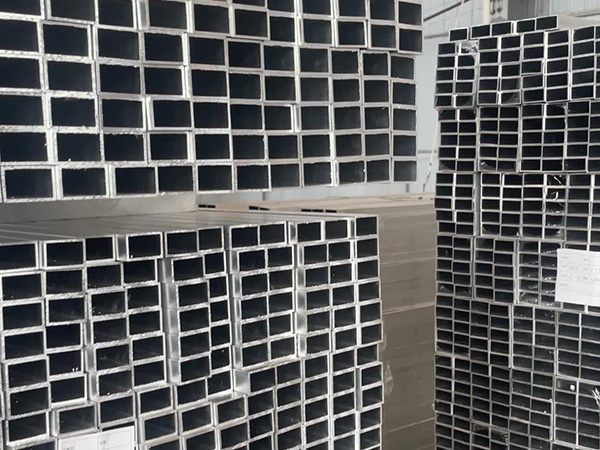
- Square tubes: suited to frames, racks, supports, partitions, and modular structures that benefit from flat surfaces and clean jointing.
- Patterned tubes: chosen where grip, appearance, or distinctive surface character is needed.
- Special-shaped tubes: used for custom assemblies, equipment parts, and proprietary structural or decorative designs.
Applications, Selection Guidance, and Who Benefits
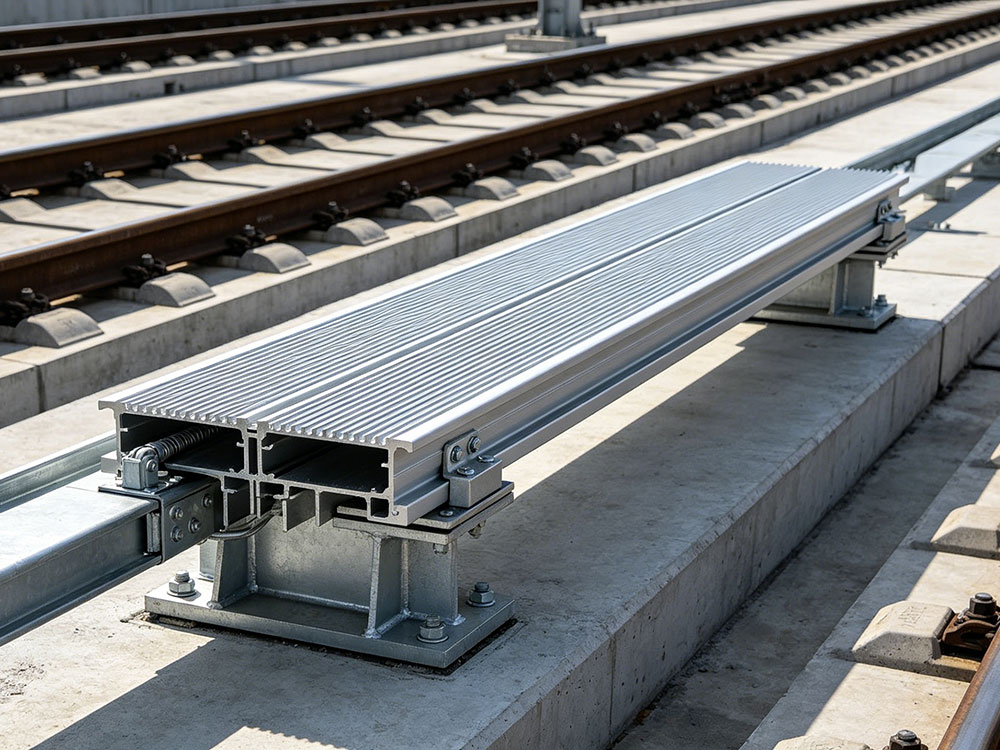
An Aaluminum tube is used in a wide range of sectors because it fits both performance-driven and appearance-sensitive applications. In construction and architecture, it can be found in curtain wall substructures, railings, trims, partitions, and lightweight support frames. In industrial manufacturing, it is used for equipment components, machine guards, conveyors, brackets, and fabricated housings. In transportation and mobility-related products, the material helps reduce weight while supporting durability targets in trailers, body structures, racks, and auxiliary systems. It is also common in furniture, retail displays, signage systems, and consumer product assemblies where a clean metallic finish is preferred.
This product is particularly beneficial for buyers who need a metal tube that is easier to handle than heavier alternatives, yet still capable of meeting practical engineering and fabrication requirements. It is a smart option for:
- Fabricators seeking efficient machining and assembly.
- Project contractors working on corrosion-conscious indoor or outdoor installations.
- Manufacturers aiming to reduce system weight without abandoning metal strength.
- Designers who need flexibility in shape, finish, and visual presentation.
- Industrial purchasers looking for a versatile non-ferrous tube for multi-purpose use.
When selecting the right aluminum tubing, experienced buyers typically evaluate shape, manufacturing method, end-use environment, and whether surface treatment is required. Seamless and ordinary extruded options may suit different production goals, while visible applications often benefit from anodizing or electrophoretic coating for improved finish stability. If the project demands higher mechanical performance, alloy choice and heat-treatment potential should also be reviewed during specification.
In summary, this material offers a reliable combination of low weight, corrosion resistance, processing versatility, and broad application value. Whether the need is structural, functional, or decorative, an Aaluminum tube provides a practical foundation for modern fabrication and product development. Its adaptability across shapes and finishing options makes it a dependable choice for businesses that value performance, efficiency, and long-term usability.
Factory Showcase

Get In Touch With Us
If you want to get the latest progress of the product, please fill in the form below, we will get in touch with you as soon as possible.
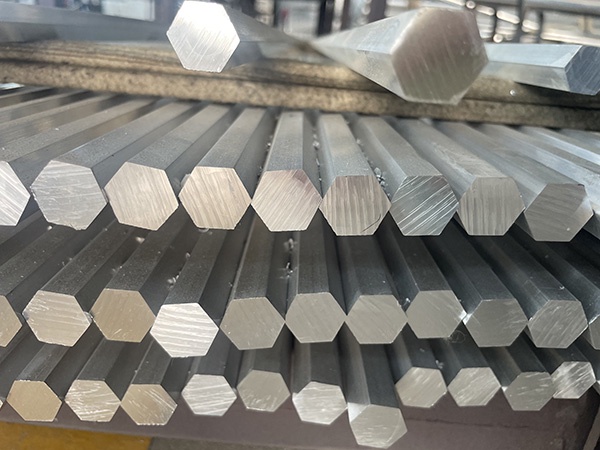
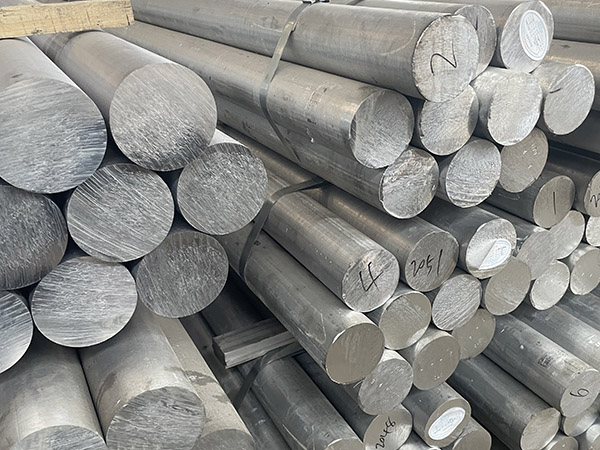
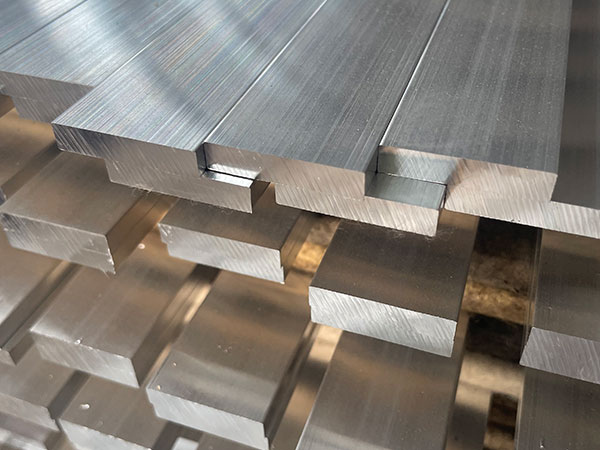
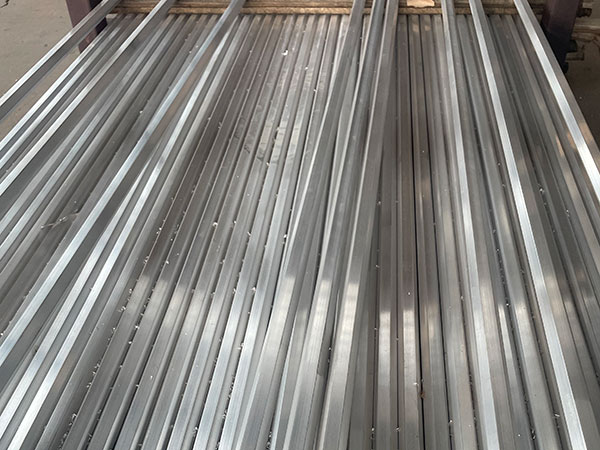
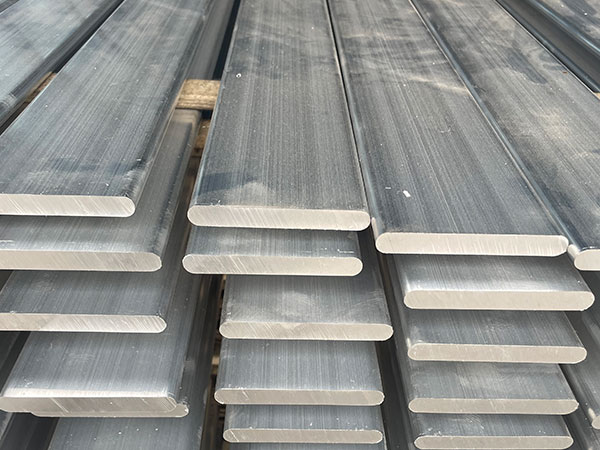
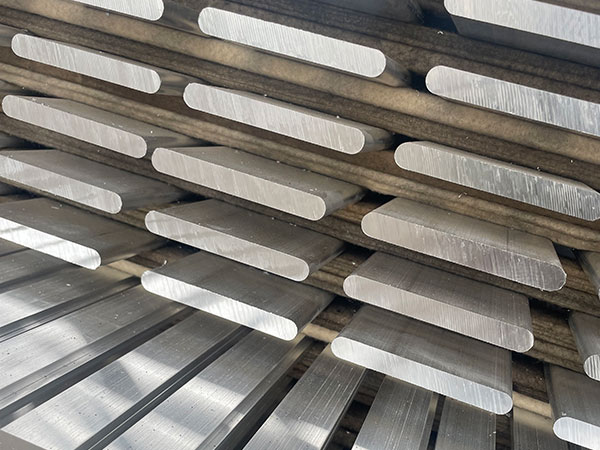
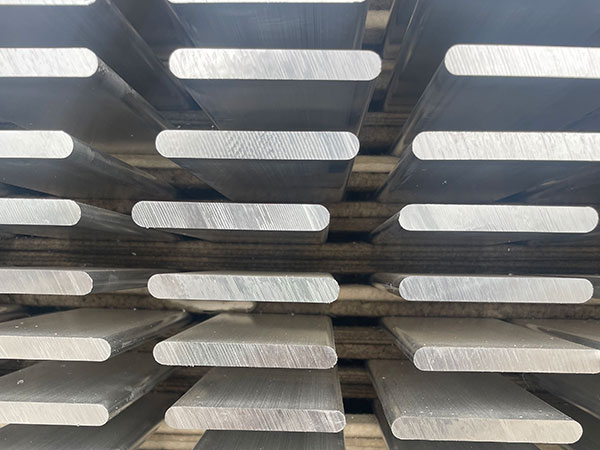
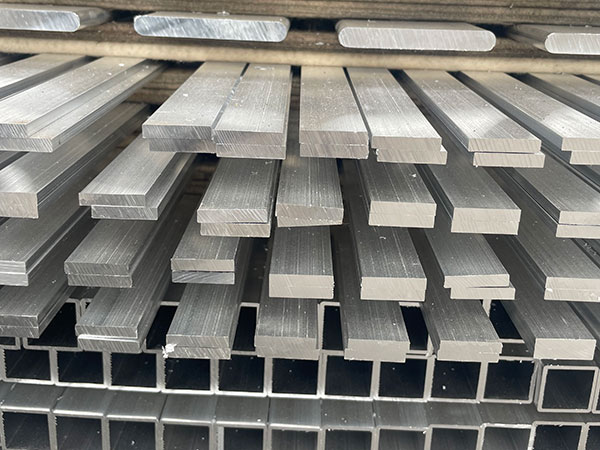
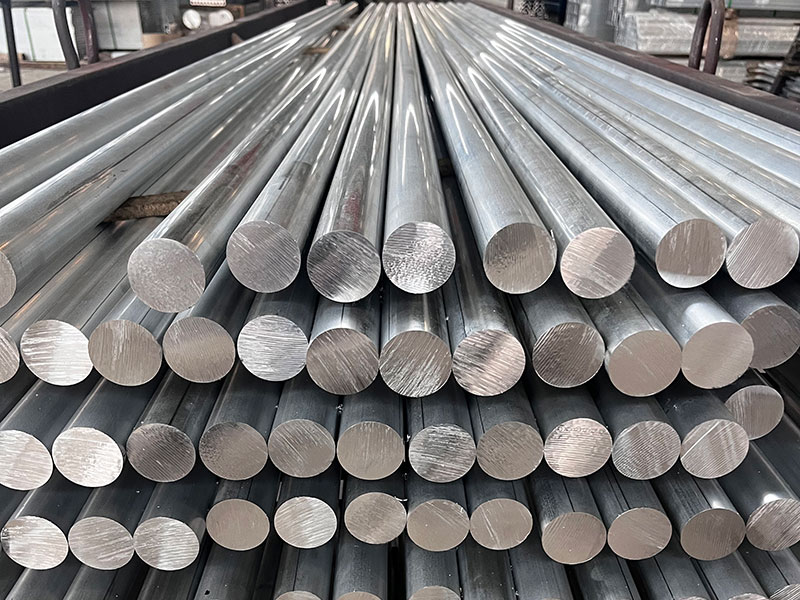
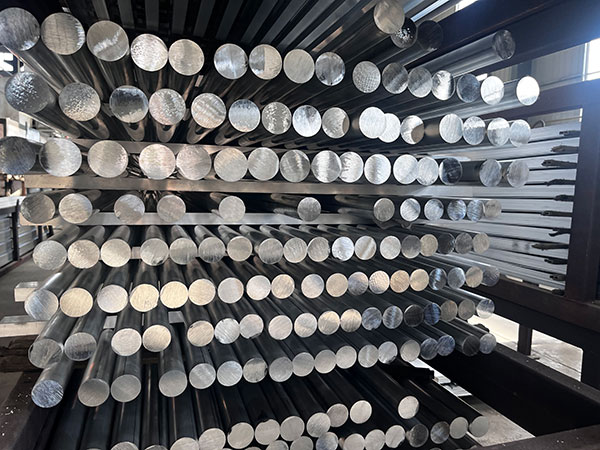
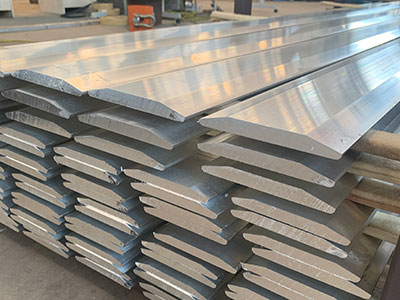
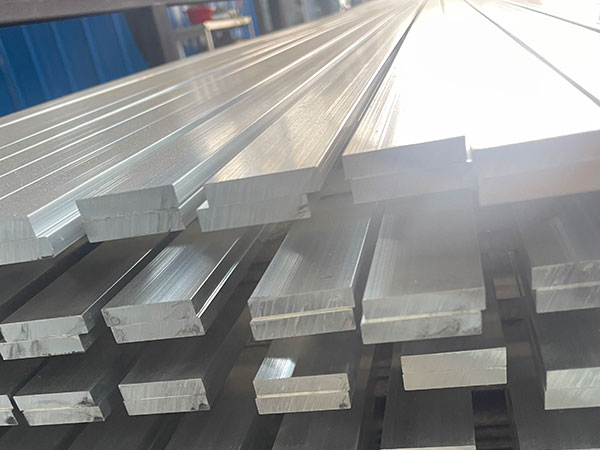
Professional field of aluminum bars
24/7 before-sales and after-sales services
Comprehensive technical support