
‹
›
‹
›
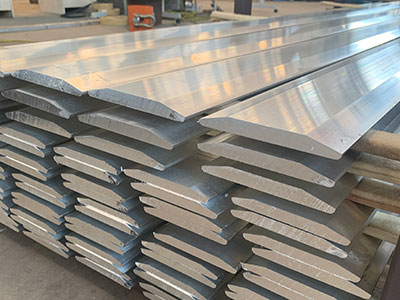
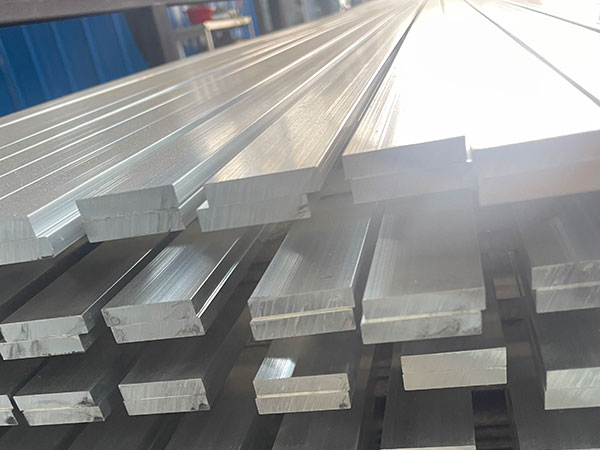
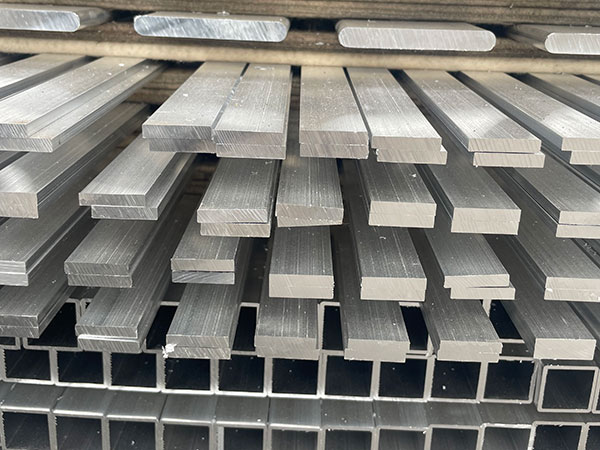
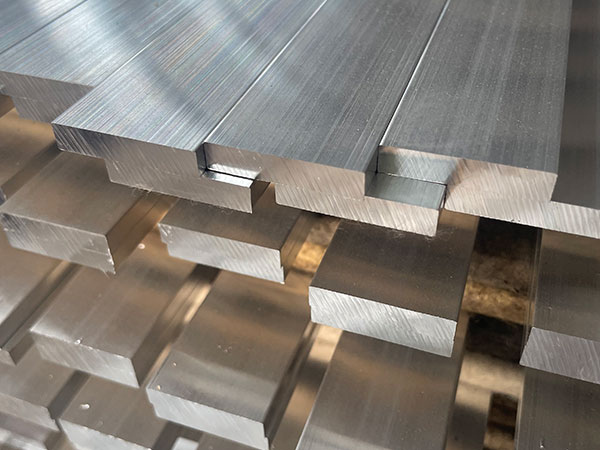
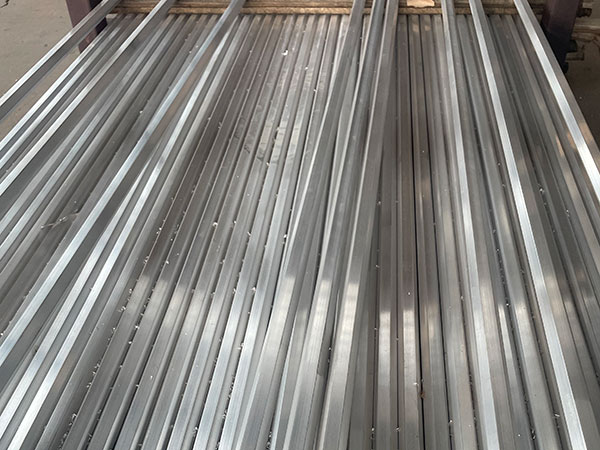
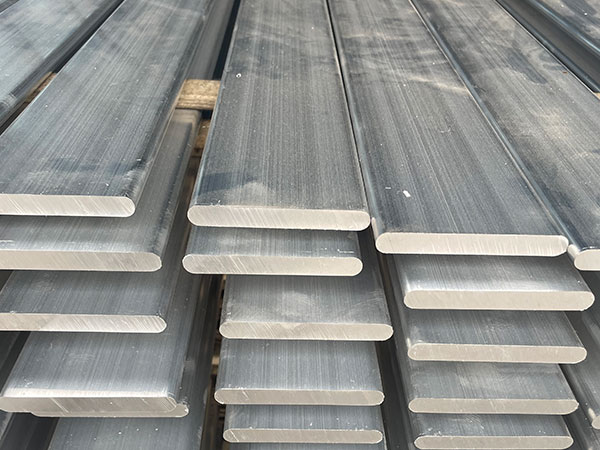
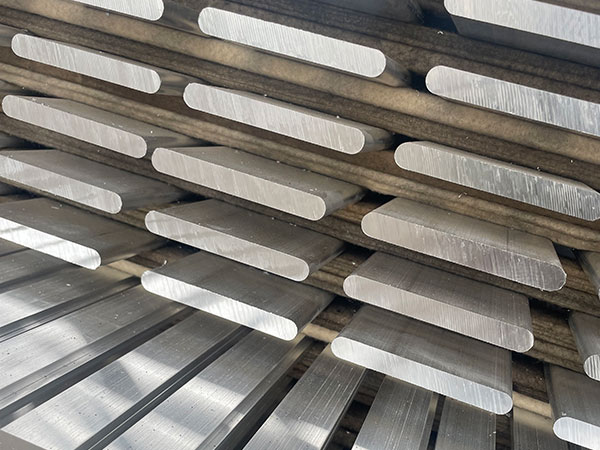
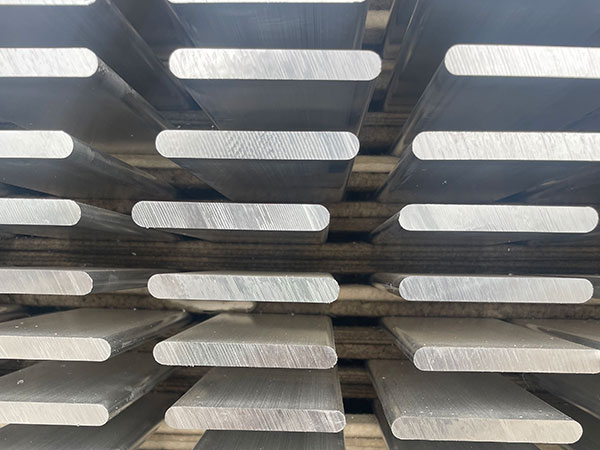
Right-angle aluminum busbar
Product Description
Product Overview
A right-angle aluminum busbar is designed for conductive connections where space, routing efficiency, and weight control matter. Compared with heavier copper alternatives, the aluminum row offers a practical balance of conductivity, low mass, corrosion resistance, and cost efficiency. This makes it a reliable choice for modern electrical systems that require stable current transfer, clean layout design, and easier installation in cabinets, switchgear, battery systems, rail equipment, refrigeration units, and industrial control assemblies.
In real-world engineering applications, the value of a conductive aluminum row is not limited to current carrying alone. It also helps optimize structural integration, especially where a 90-degree turning point is needed to connect equipment across vertical and horizontal planes. The right-angle form reduces the need for additional joints, simplifies assembly, and supports more compact electrical architecture. For buyers seeking a lightweight conductor with broad industrial compatibility, a pure aluminum row or higher-strength alloy option can be selected according to the operating environment.
Material Options and Selection Guide
Different aluminum grades serve different electrical and mechanical priorities. Selection should be based on conductivity requirements, forming complexity, installation conditions, and whether the part must also resist deformation under vibration, heat, or outdoor exposure.
Common Grades for Aluminum Row Applications
- 1060/1070 pure aluminum busbar: known for very high conductivity, commonly used in power busbars, general conductive connections, and grounding structures where electrical performance is the primary concern.
- 6063 aluminum row: easy to machine and form, with balanced hardness and processability. It is suitable for general power distribution, control cabinets, and electronic equipment assemblies.
- 6061-T6 aluminum row: selected when higher strength and better deformation resistance are needed, especially in new energy vehicles, energy storage systems, wind power equipment, and high-voltage outdoor installations.
If the project focuses on maximum electrical efficiency, a pure aluminum row is usually the preferred route. If the installation requires more structural stability or long-span support, alloy grades can provide a stronger mechanical profile while maintaining good conductive performance. For grounding networks, grounding flat aluminum is widely valued for its low weight, corrosion resistance, and convenient installation across large infrastructure projects.
Key Product Advantages
Efficient Conductivity with Lower System Weight
The aluminum row is mainly used as a conductor, delivering dependable electrical transmission while helping reduce overall equipment weight. This is especially important in battery packs, transportation systems, renewable energy assemblies, and modular distribution equipment, where lower mass can improve installation efficiency and reduce structural load.
Right-Angle Design for Compact Routing
A right-angle aluminum busbar is particularly useful when conductors must turn within limited space. By integrating the bend into the busbar layout, the design supports cleaner wiring paths, reduces connector count in some applications, and helps engineers build more organized power distribution structures. This can also simplify maintenance access and improve visual management inside cabinets or electrical rooms.
Corrosion Resistance for Demanding Environments
Aluminum naturally offers good resistance to corrosion, making it suitable for indoor and many semi-exposed environments. In refrigeration cold storage, building infrastructure, chemical support systems, and industrial plants, this characteristic contributes to longer service stability when proper material selection and installation practices are followed.
Thermal Conductivity and Cost Efficiency
Good thermal conductivity helps the busbar manage heat in electrical operation, while the cost advantages of aluminum make it attractive for projects that need to balance performance with budget control. For large distribution systems or repeated equipment production, this cost-performance ratio is often one of the strongest commercial benefits.
Where It Is Commonly Used
This product is widely used across seven major sectors because it fits both electrical and structural needs in a practical way. Common applications include:
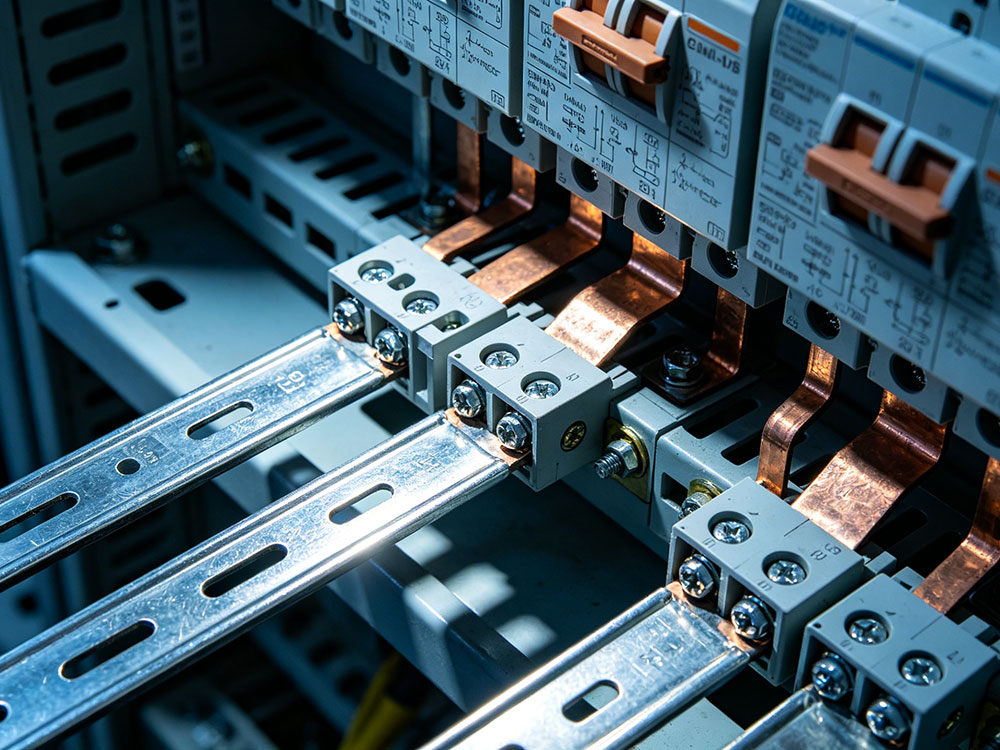
- Power distribution: switchgear, distribution cabinets, busbar systems, and electrical connection assemblies.
- New energy: battery packs, photovoltaic systems, energy storage units, and charging infrastructure.
- Refrigeration and cold storage: electrical distribution and grounding arrangements in temperature-controlled facilities.
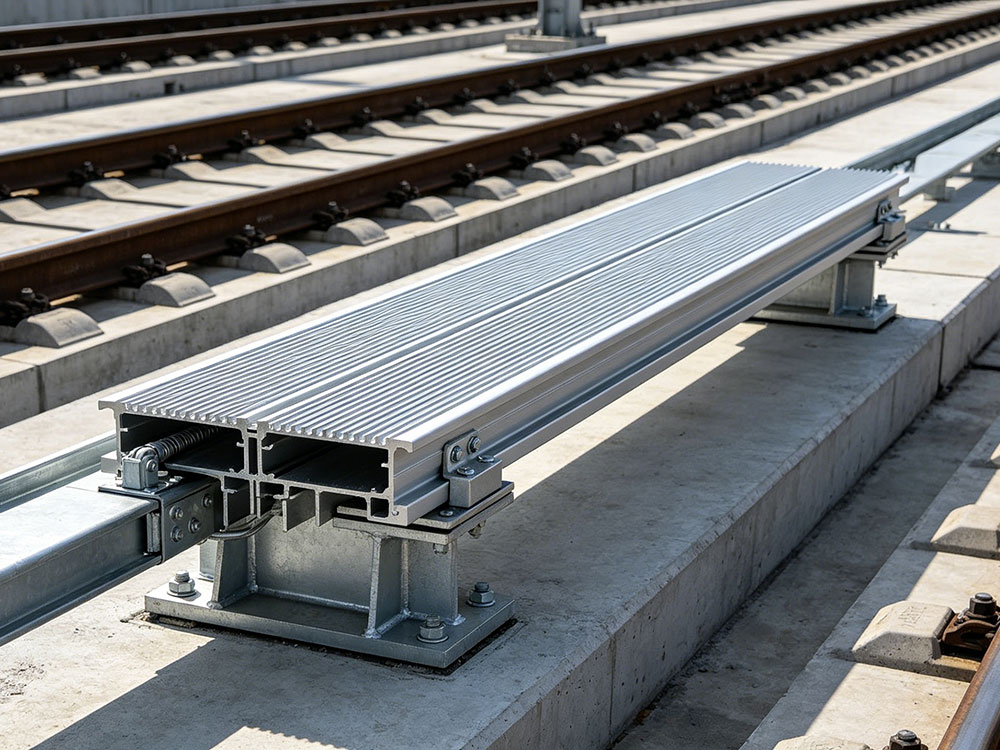
- Transportation rail: rail electrical systems and lightweight conductive structures.
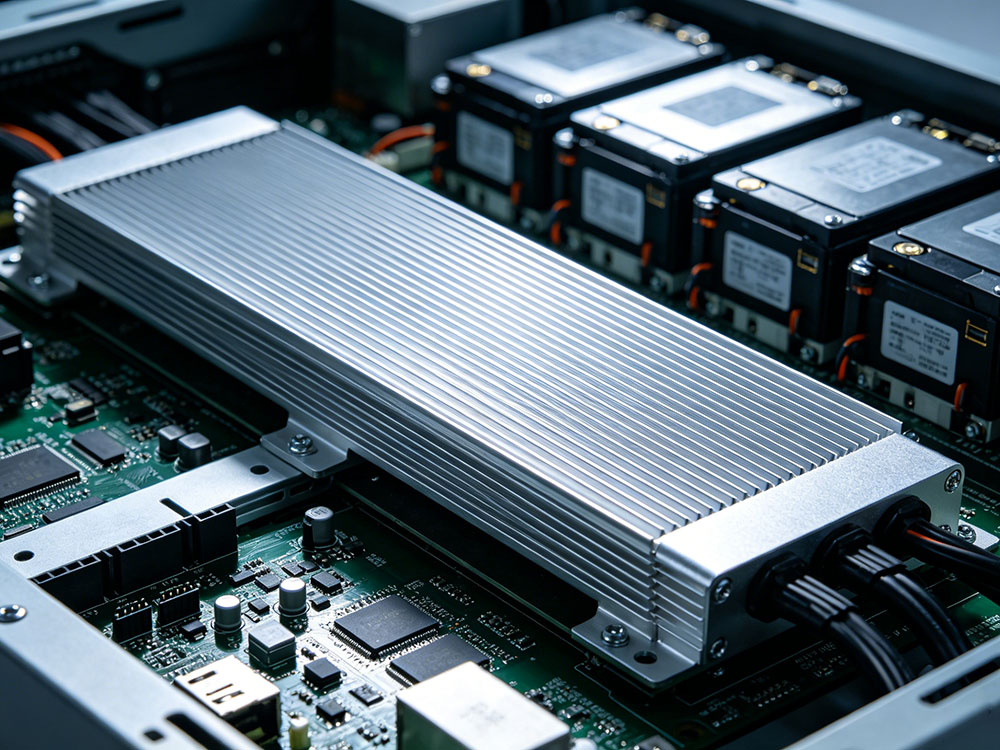
- Industrial control electronics: control panels, automation equipment, and machinery power routing.
- Building infrastructure: grounding flat aluminum layouts, electrical trunk systems, and facility upgrades.
- Chemical industry and metallurgy: conductive connections in industrial environments where corrosion resistance and manageable weight are beneficial.
Who Benefits from This Product
Electrical equipment manufacturers, panel builders, EPC contractors, energy project integrators, rail system suppliers, and industrial maintenance teams all benefit from a well-matched aluminum conductor solution. Buyers looking for an experienced aluminum row manufacturer often prioritize material consistency, grade suitability, forming quality, and dependable supply for repeat projects. In those purchasing decisions, the right grade matters just as much as the finished geometry.
Typical Buyer Priorities
- Stable conductivity for power or grounding use
- Lower material weight for easier handling and assembly
- Cost control without sacrificing practical performance
- Grade selection aligned with forming or strength needs
- Reliable use across indoor industrial and infrastructure scenarios
Selection Considerations Before Purchase
When specifying a right-angle aluminum busbar, it is important to confirm the electrical purpose first: current conduction, grounding, or a combination of both. Then evaluate whether the installation prioritizes maximum conductivity, easier forming, or higher mechanical strength. A conductive aluminum row for standard power distribution may use a different grade than a component intended for vibration-prone transport equipment or outdoor renewable energy systems.
Engineers should also review the assembly environment, contact design, surface requirements, and long-term maintenance expectations. Choosing the proper material from the beginning helps ensure better system compatibility, more efficient fabrication, and dependable service over time.
Practical Value for Modern Electrical Systems
As electrical systems continue to demand better space utilization, lighter structures, and controlled project costs, the right-angle aluminum busbar remains a highly practical conductor choice. Whether the need is a pure aluminum row for high conductivity, a 6063 option for easy processing, or a 6061-T6 solution for stronger structural performance, this product category supports a wide range of applications with clear technical and economic value. For projects that need a dependable aluminum row solution in power, infrastructure, or new energy fields, it offers a balanced path between performance, flexibility, and cost efficiency.
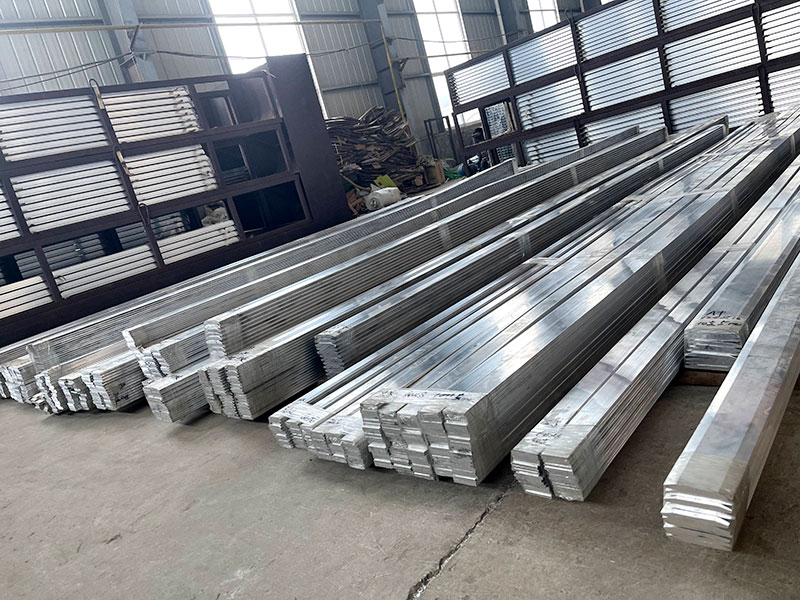
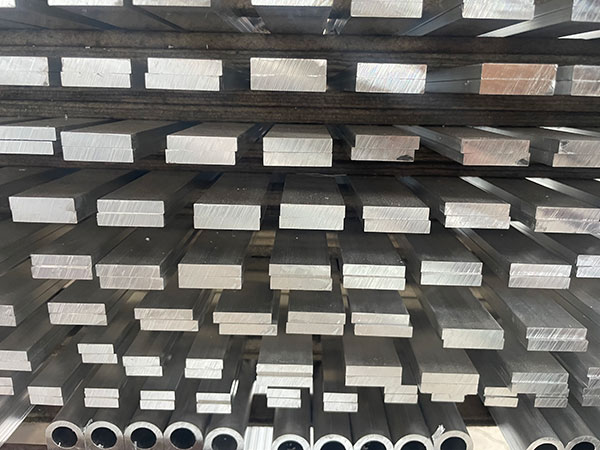
Factory Showcase
Get In Touch With Us
If you want to get the latest progress of the product, please fill in the form below, we will get in touch with you as soon as possible.
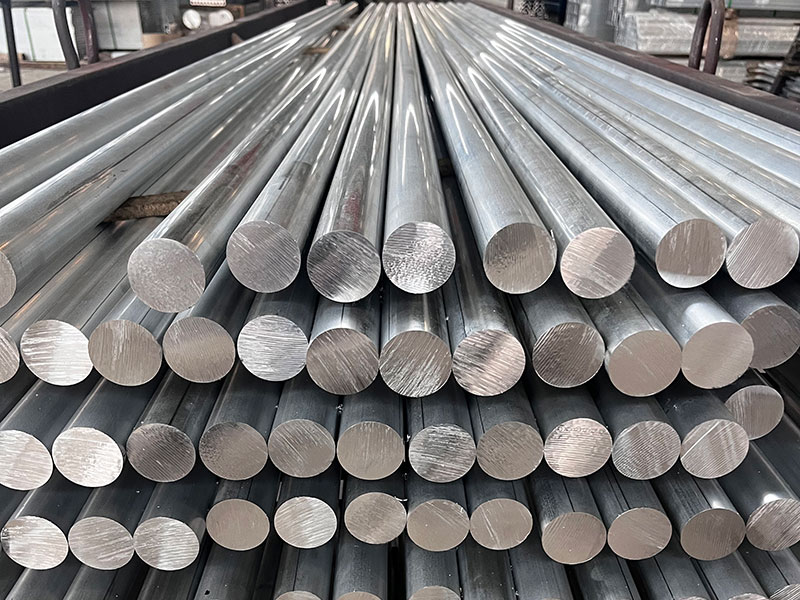
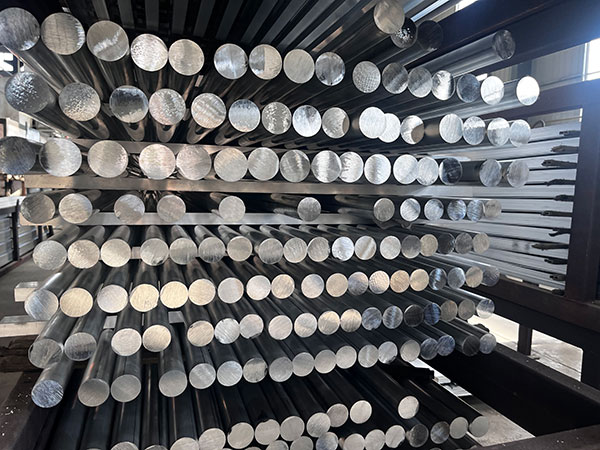
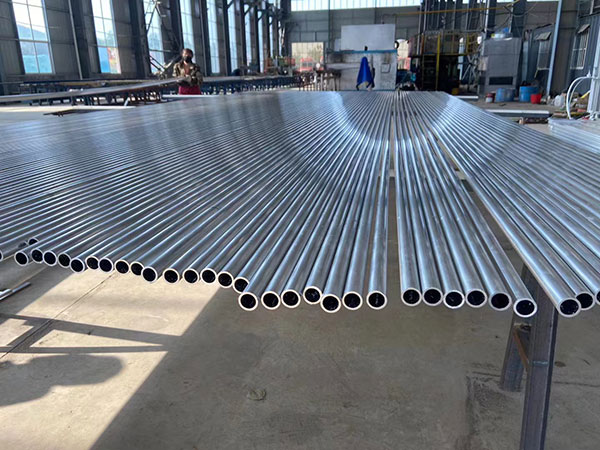
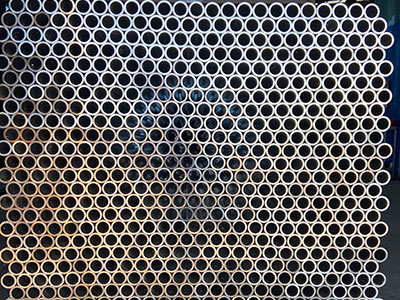
Professional field of aluminum bars
24/7 before-sales and after-sales services
Comprehensive technical support