
‹
›
‹
›
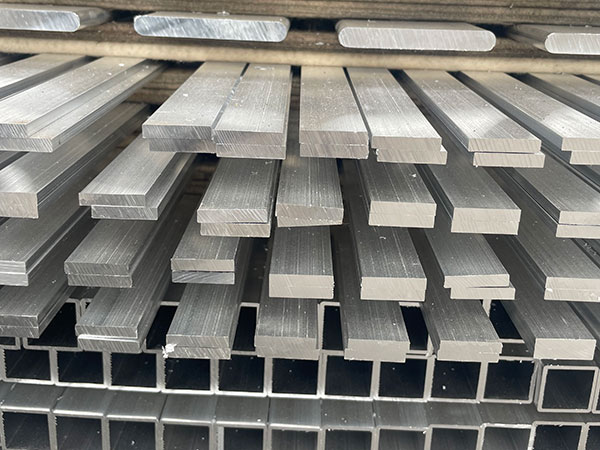
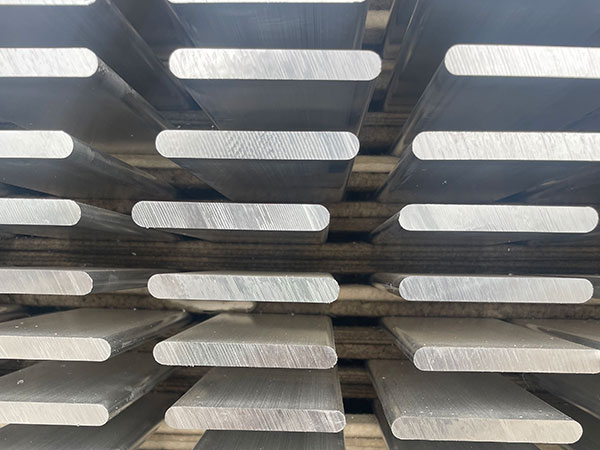
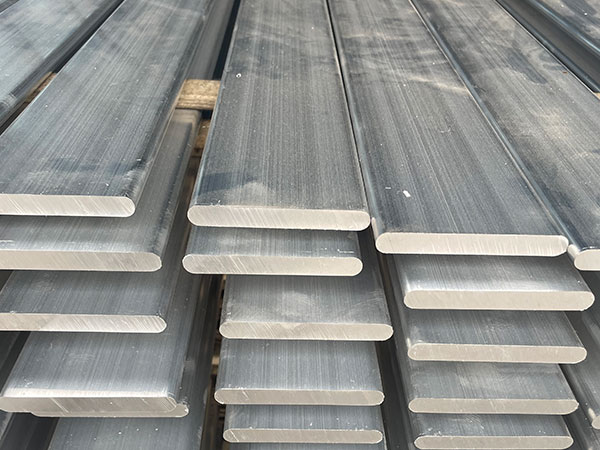
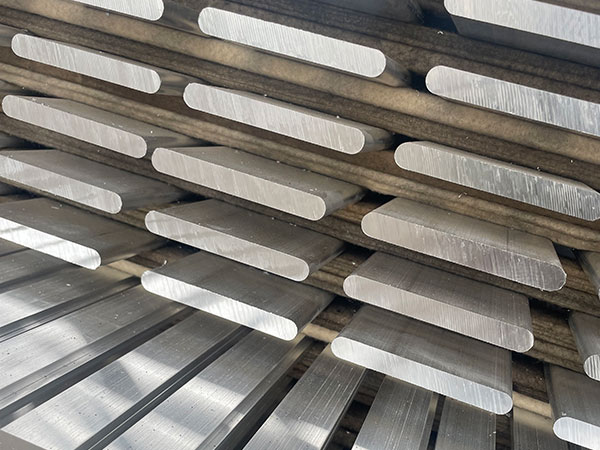
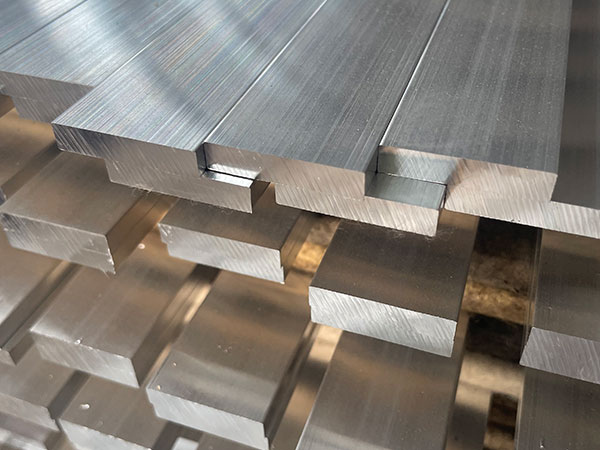
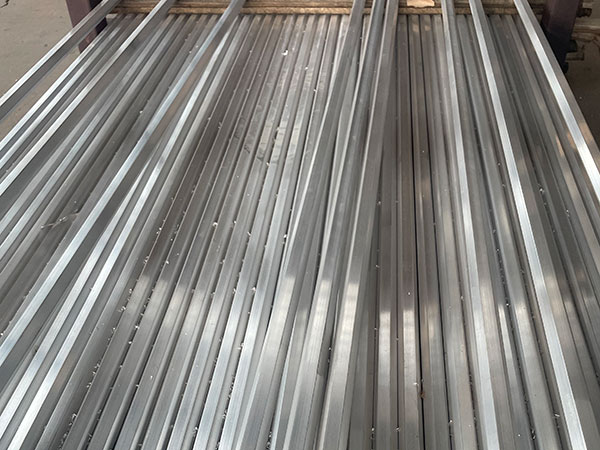
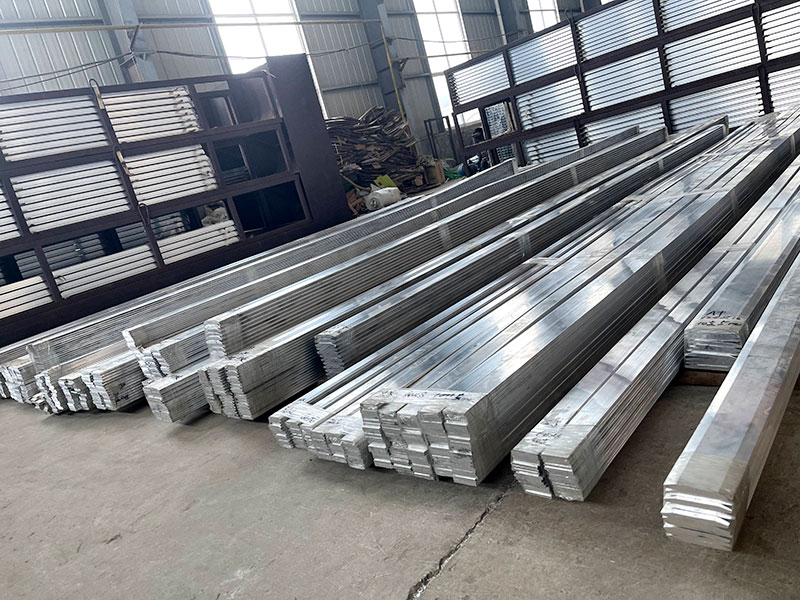
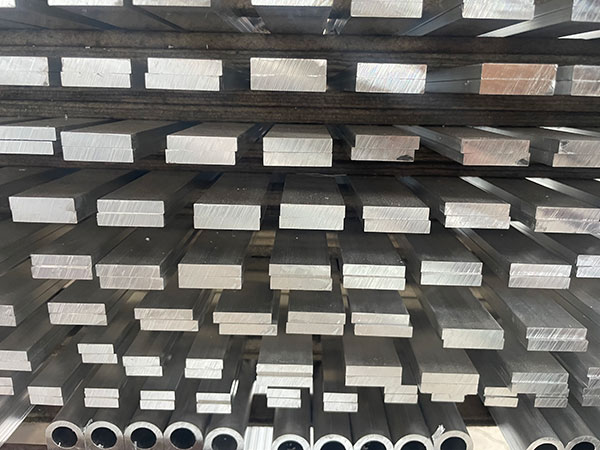
Aluminum row
Product Description
Product Overview
Aluminum rows are widely selected in modern electrical and industrial systems because they combine stable conductivity with low weight, practical corrosion resistance, and competitive material cost. In projects where current transmission, structural adaptability, and long-term operating value all matter, this product provides a balanced solution that is easier to install and more economical to scale than many heavier conductive materials.
As a versatile conductive component, the Aluminum row is commonly used in busbar systems, cabinet interconnection, grounding structures, and equipment assembly. It performs well in environments that demand both electrical efficiency and manageable fabrication. For buyers comparing material options across power equipment, energy systems, transport infrastructure, or industrial machinery, aluminum rows remain a dependable choice with broad engineering acceptance.
From a sourcing perspective, working with an experienced Aluminum row manufacturer helps ensure the right grade is matched to the actual application. Conductivity requirements, mechanical strength, installation method, and outdoor exposure all influence material selection. Choosing correctly at the beginning reduces rework, improves service life, and supports safer operation in the field.
Common Grades and Typical Uses
Core Performance Advantages
Efficient Conductivity with Lower System Weight
A major reason engineers choose aluminum is its ability to deliver effective electrical conduction while significantly reducing overall component weight. This makes installation easier, lowers transportation burden, and supports applications where structural load matters. In large distribution assemblies or energy equipment, lighter conductive parts can simplify handling and improve overall project efficiency.
Cost-Effective Material for Scalable Projects
For projects that require large quantities of conductive flat material, aluminum offers a practical cost advantage. It allows manufacturers, contractors, and system integrators to control material budgets without sacrificing basic electrical performance. This is especially valuable in power distribution expansion, energy storage systems, and infrastructure construction where volume procurement directly affects total project cost.
Corrosion Resistance for Demanding Environments
Aluminum naturally forms a protective oxide layer, giving it useful resistance in many indoor and outdoor conditions. This feature supports long-term service in humid spaces, industrial sites, refrigeration environments, and building infrastructure applications. When properly selected and installed, a Conductive aluminum row can maintain stable performance in environments where durability is just as important as conductivity.
Thermal Conductivity that Supports System Stability
Good thermal conductivity helps aluminum transfer heat efficiently, which is important in electrical systems, cabinets, and equipment assemblies where temperature management affects reliability. In practical operation, this can contribute to better heat dissipation around conductive connections and support more stable system performance over time.
Material Selection by Application
Different projects require different balance points between conductivity, formability, and strength. Selecting the correct grade is not simply a material preference; it is an engineering decision tied to use conditions and operating risk.
- 1060/1070: Best suited where conductivity is the primary concern. A Pure aluminum row in these grades is often used for power busbars and general conductive paths.
- 6063: A practical option when fabrication convenience matters. It is suitable for cabinet work, standard distribution systems, and electronic assemblies that require easy processing.
- 6061-T6: Preferred when higher mechanical strength and deformation resistance are required, particularly in outdoor, mobile, or high-load new energy applications.
Major Application Fields
Aluminum rows are widely used across seven major fields because they meet the practical needs of both electrical transmission and industrial integration.
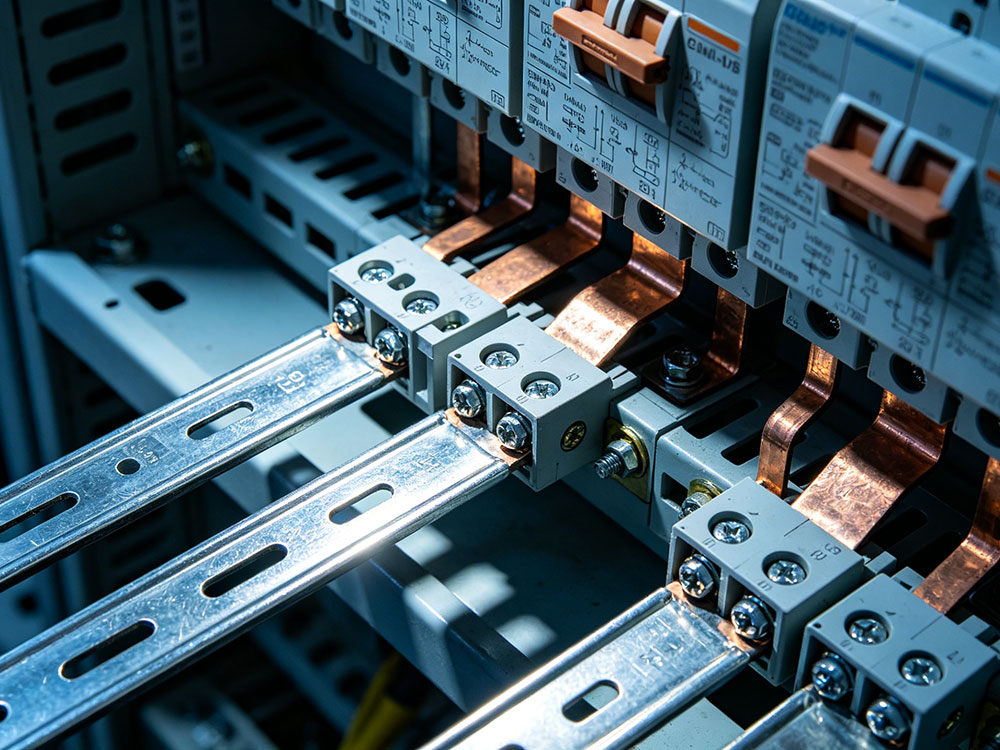
- Power distribution: used for busbars, conductive connectors, and panel interconnection.
- New energy: suitable for energy storage systems, wind power, and new energy vehicle electrical structures.
- Refrigeration and cold storage: useful where corrosion resistance and heat transfer characteristics are important.
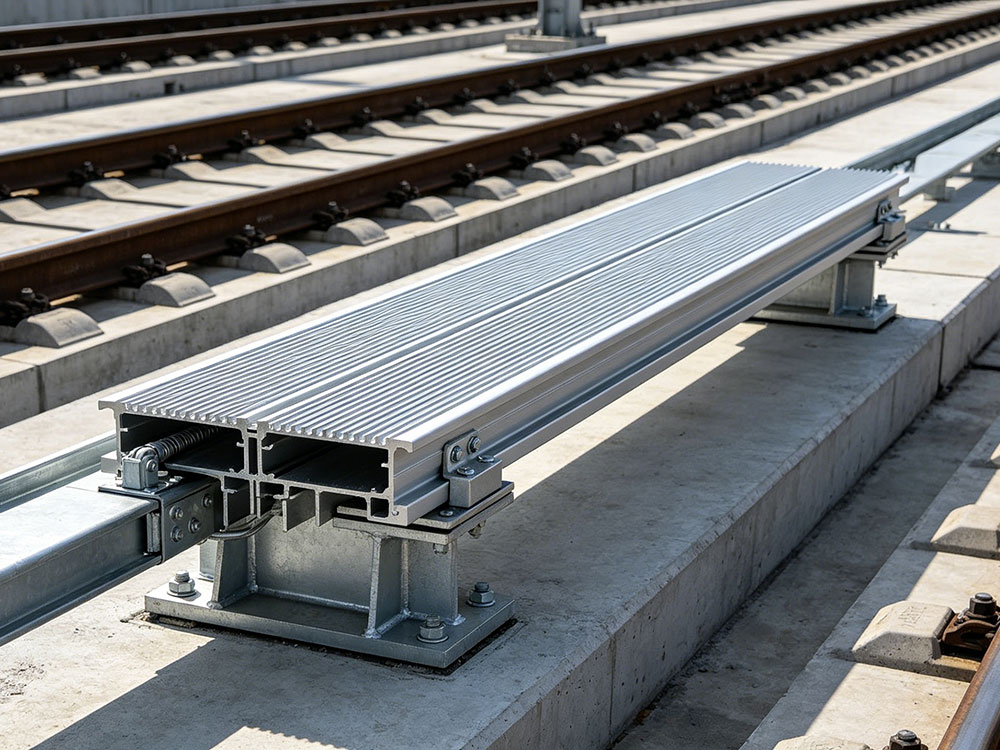
- Transportation rail: applicable in rail transit systems that require lightweight conductive components.
- Industrial control electronics: chosen for cabinets, switchgear, and equipment connection assemblies.
- Building infrastructure: used in grounding, distribution, and integrated conductive systems.
- Chemical industry and metallurgy: selected for industrial environments that demand practical durability and dependable conduction.
Grounding and Structural Utility
Beyond current transmission, aluminum rows are also valued in grounding layouts and flat conductor arrangements. A Grounding flat aluminum solution is often considered where installers need a lightweight, corrosion-resistant conductor that integrates well with broader infrastructure systems. In buildings, industrial sites, and utility installations, this supports organized routing and efficient installation.
Who Benefits from This Product
Ideal for Professional Buyers and Engineering Teams
This product is particularly suitable for electrical equipment manufacturers, switchgear producers, energy system integrators, panel builders, rail project contractors, construction engineering firms, and industrial maintenance teams. Buyers looking for a balance of conductivity, manageable weight, and commercial practicality will find aluminum rows especially valuable in standardized and custom applications alike.
For procurement teams, the material offers clear advantages in cost control and broad usability. For engineers, it provides grade flexibility aligned with conductivity or strength targets. For installers, the lower weight can improve handling convenience during assembly and site work.
Why It Remains a Preferred Industrial Choice
In today’s market, users expect conductive materials to do more than carry current. They must support efficient manufacturing, adapt to varied environments, and contribute to reliable long-term performance. Aluminum rows continue to meet these expectations because they are practical, proven, and widely compatible with modern electrical and industrial systems.
Whether the requirement is a high-conductivity busbar, a process-friendly cabinet connector, or a stronger flat conductor for outdoor energy infrastructure, the right aluminum grade can deliver a focused solution without unnecessary material burden. That is why aluminum rows remain a smart option for organizations seeking dependable electrical performance with strong overall project value.
Factory Showcase
Get In Touch With Us
If you want to get the latest progress of the product, please fill in the form below, we will get in touch with you as soon as possible.
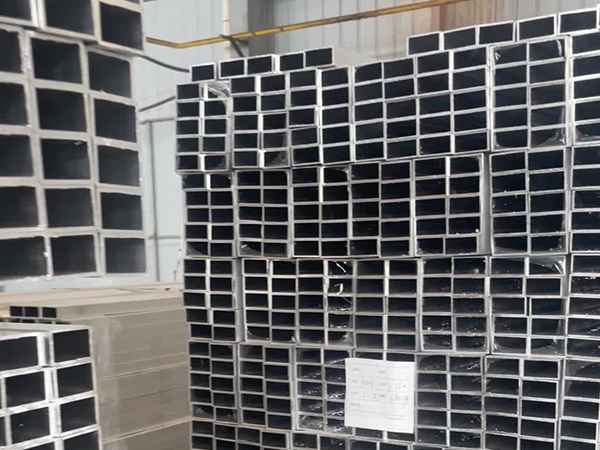
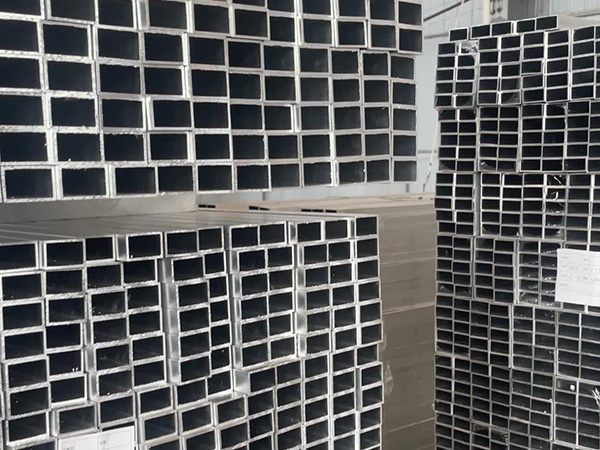
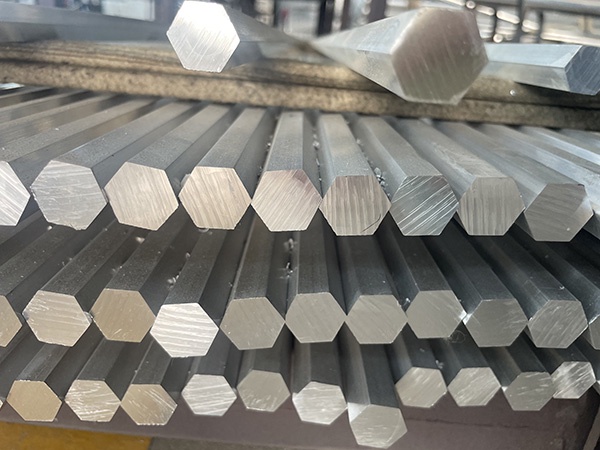
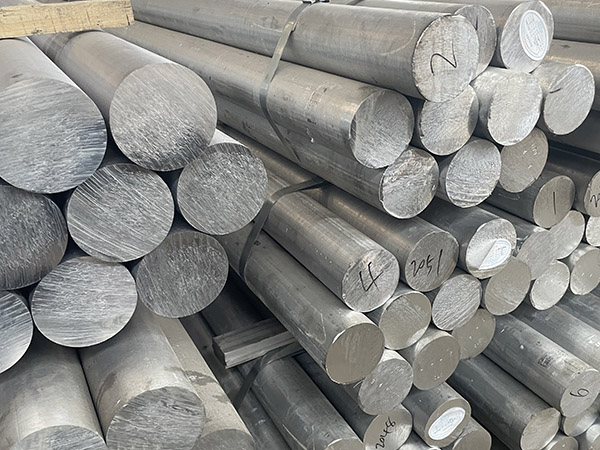
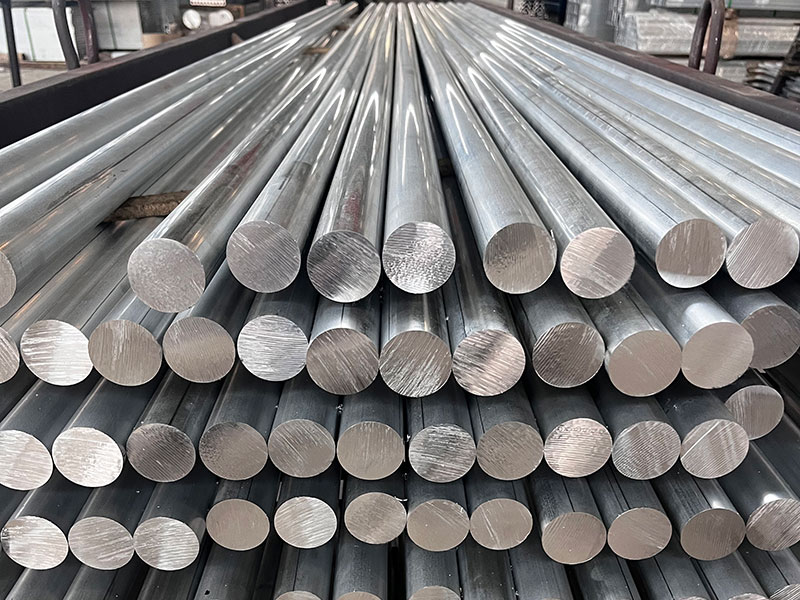
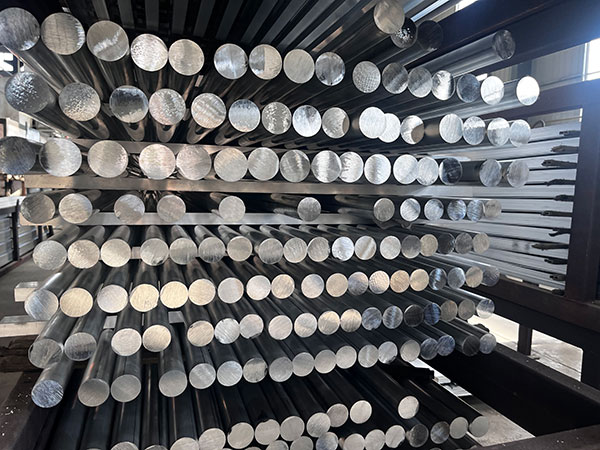
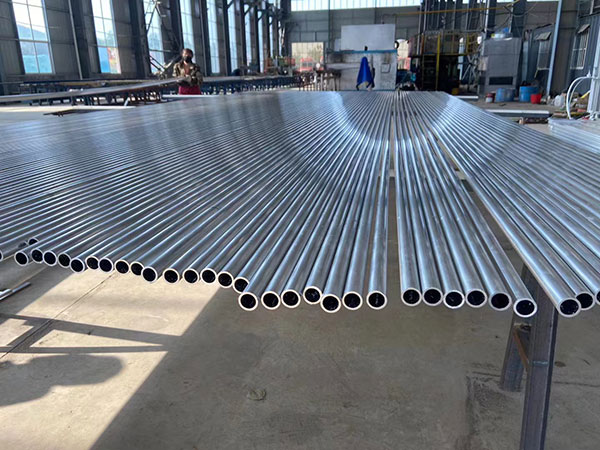
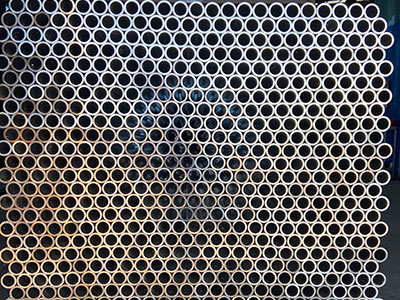
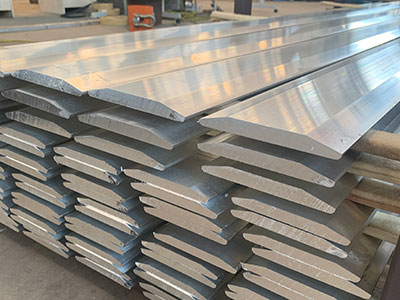
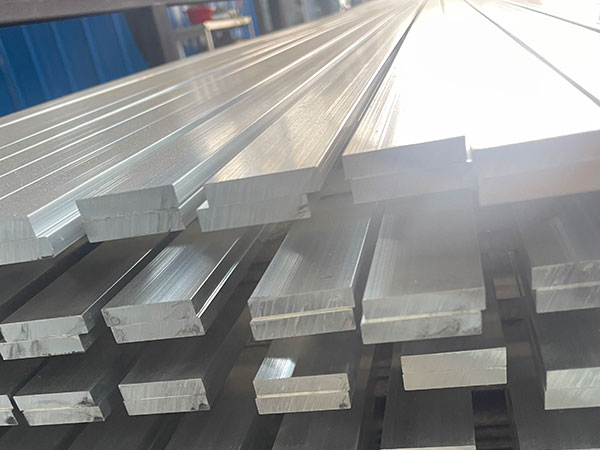
Professional field of aluminum bars
24/7 before-sales and after-sales services
Comprehensive technical support