
‹
›
‹
›
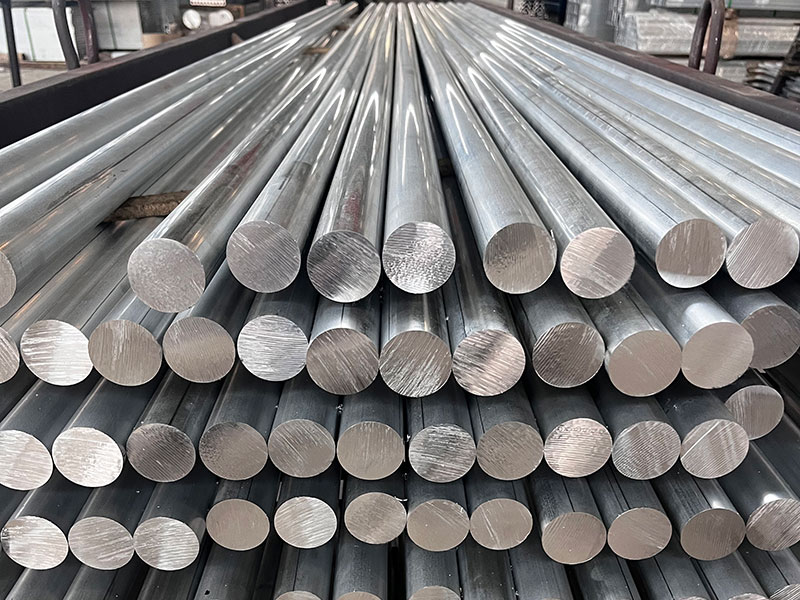
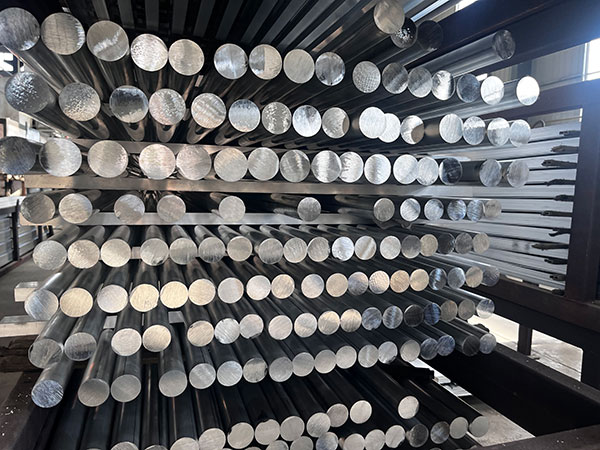
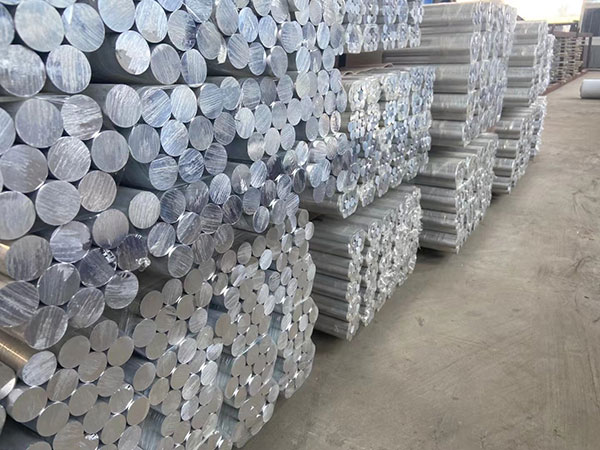
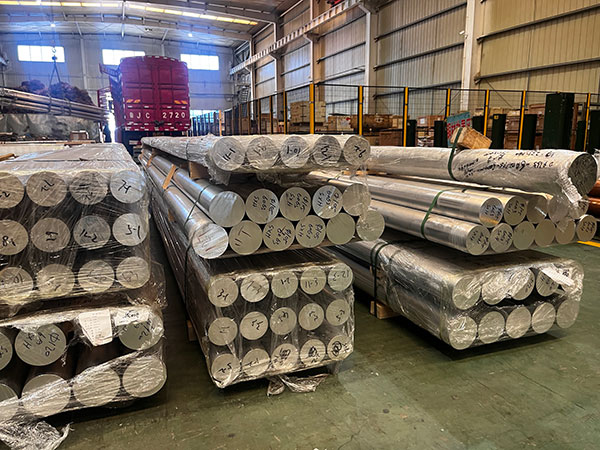
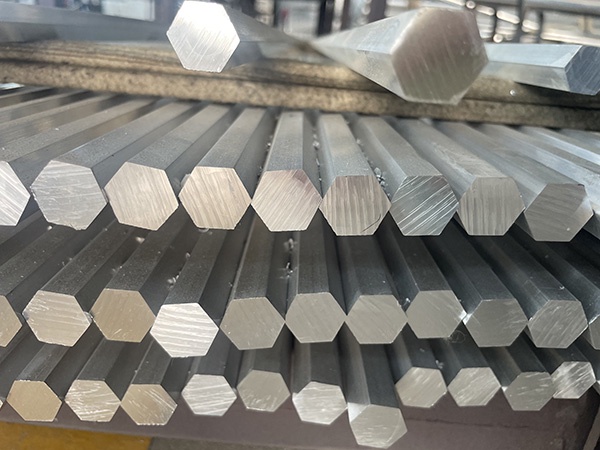
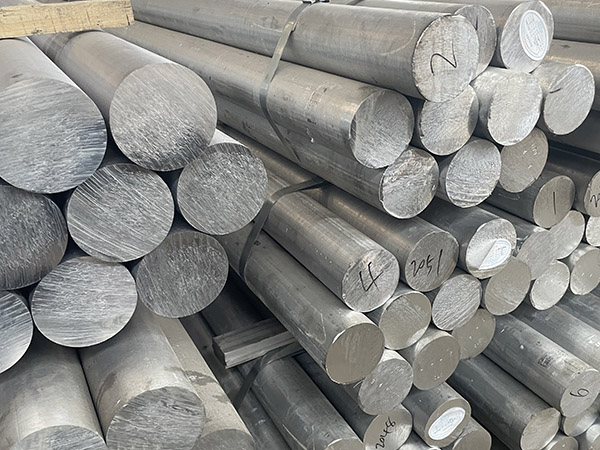
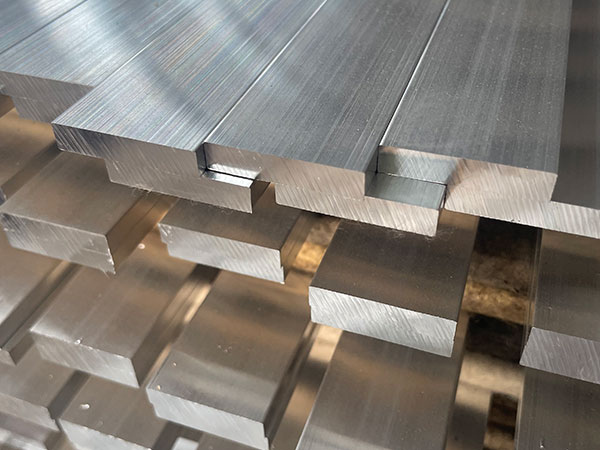
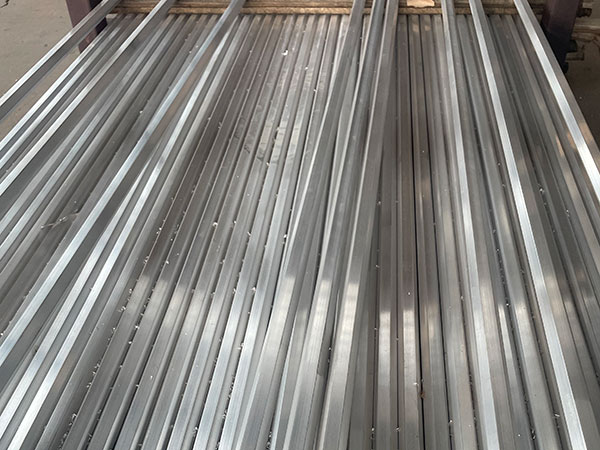
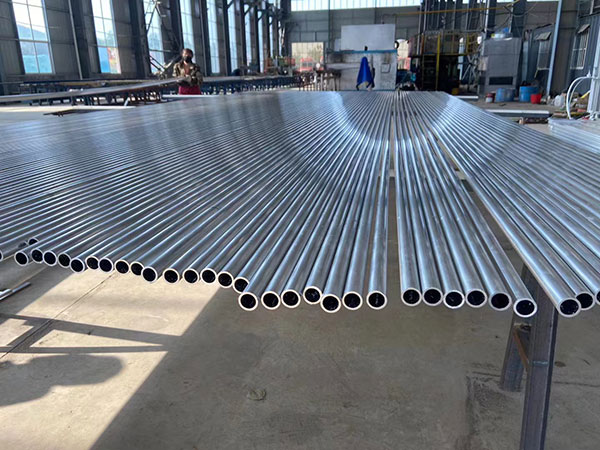
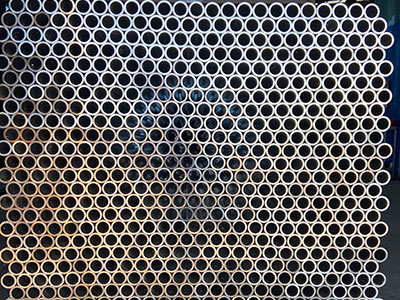
Aluminum rod
Product Description
Product Overview
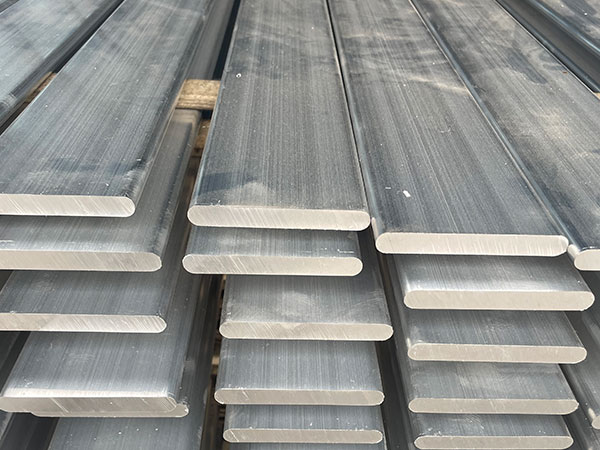
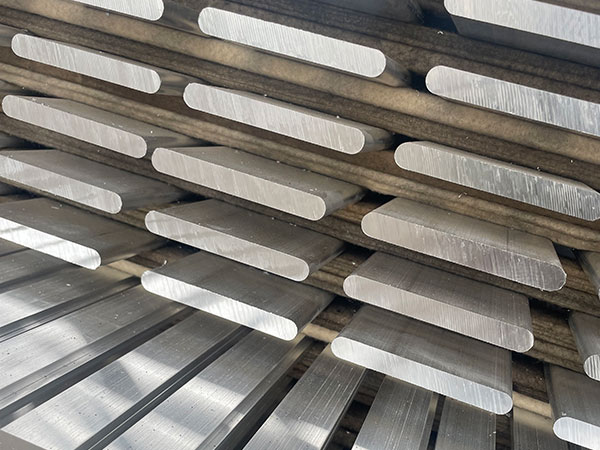
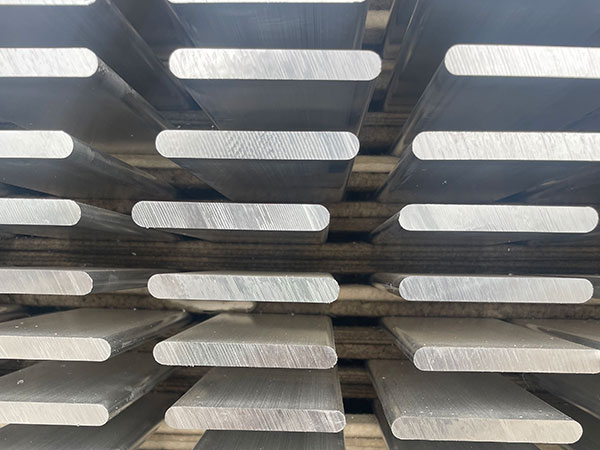
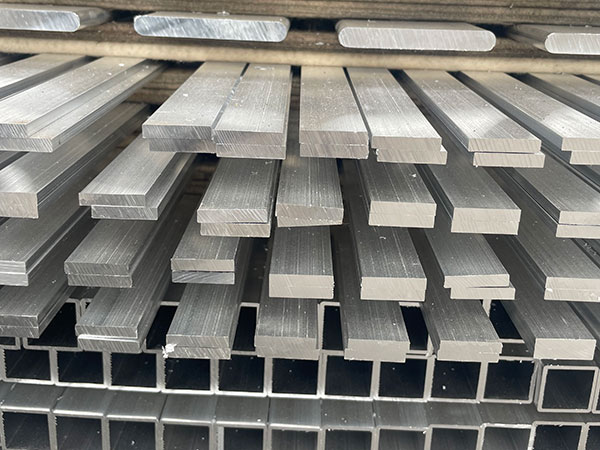
Built for manufacturers that value consistency, workability, and reliable alloy performance, this material is produced through a controlled route that includes melting, casting, purification, degassing, slag removal, and hot extrusion. The result is a rod-shaped aluminum alloy product suited to a wide range of industrial and fabrication needs, from machining and structural parts to general production components.
Because different projects call for different balances of strength, corrosion resistance, conductivity, and forming behavior, these products are available across multiple alloy categories defined by metal element content. Common grades include 6061, 3102, 5050, and other alloy options selected according to processing demands and end-use requirements. This makes the aluminum rod a practical choice for buyers seeking flexibility without compromising on production efficiency.
How It Is Made and Why It Matters
Production quality starts long before shaping. During melting and casting, the alloy composition is prepared for stable downstream performance. Purification helps reduce unwanted inclusions, while degassing limits gas-related defects that can affect internal soundness. Slag removal further improves cleanliness before hot extrusion forms the material into rods with dependable structural integrity. For customers, this process chain matters because it directly influences machinability, surface quality, and consistency from batch to batch.
In real manufacturing environments, cleaner alloy structure can support smoother cutting, more predictable forming, and better finishing results. That is especially important when the rod will be used for precision parts, visible components, or applications where process stability affects delivery schedules and total production cost.
Common Alloy Choices
The right grade depends on what the finished part needs to do. While exact selection should be matched to design and processing requirements, several commonly requested options stand out:
- 6061: Widely used where a balanced combination of strength, corrosion resistance, and machinability is required.
- 3102: Often chosen for applications where alloy composition and forming characteristics are key considerations.
- 5050: Suitable for uses that benefit from the specific performance profile of this aluminum alloy family.
- Other alloy categories: Available according to metal element content and project-specific technical needs.
This variety allows engineers, buyers, and fabricators to source material that aligns more closely with end-use expectations rather than forcing one grade into every job.
Key Features and Practical Advantages
1. Broad processing compatibility
An aluminum rod can be integrated into machining, cutting, turning, drilling, and secondary fabrication workflows with ease when the correct alloy is selected. For workshops and OEM production lines, that versatility supports shorter setup transitions and better material planning.
2. Alloy flexibility for different industries
With multiple alloy categories available, buyers can prioritize the performance factors that matter most to their application, whether that is structural balance, corrosion behavior, processing response, or product finish.
3. Cleaner production route
The inclusion of purification, degassing, and slag removal is not just a technical detail. It reflects a manufacturing approach aimed at improving material cleanliness and helping deliver more dependable downstream performance.
4. Suitable for volume and repeat orders
For industrial purchasers, repeatability is as important as raw material quality. A well-produced aluminum alloy rod supports standardized processing, helping reduce avoidable variation in fabrication and assembly.
5. Efficient material choice for modern production
In sectors where weight, corrosion resistance, and manufacturing practicality all matter, this product remains a dependable option. It fits well into projects that require a metal solution with strong all-round usability.
Typical Applications
Because alloy selection can be tailored to processing and performance goals, this material is used across a broad range of manufacturing environments. Typical applications include:
- Machined components for industrial equipment
- General fabrication parts and custom hardware
- Structural and support elements in lightweight assemblies
- Automotive and transport-related components
- Electrical and mechanical parts where alloy-specific properties are needed
- Production pieces for construction, engineering, and processing industries
The actual suitability of any grade should always be confirmed against the intended use, processing method, and design specification. That said, the range of available alloys gives purchasers a strong starting point for both standard and specialized projects.
Who Benefits Most
- Manufacturers looking for stable raw material for serial production
- Machine shops that need consistent alloy stock for precision parts
- Fabricators seeking material that can adapt to multiple processing routes
- Procurement teams comparing alloy options for cost-performance balance
- Engineers and product developers selecting rods by grade for application-specific results
For these users, the value is not only in the material itself but also in the ability to choose from recognized alloy models that align with production goals.
Selection Considerations
When sourcing an aluminum rod, it is wise to evaluate more than basic availability. Alloy grade, intended machining or forming process, corrosion environment, finishing requirements, and final mechanical expectations should all be reviewed together. A grade that performs well in one application may not be the best match for another, even when the part shape is similar.
Buyers also benefit from confirming the production route and alloy consistency, especially for projects that demand repeat quality across multiple lots. In practice, material reliability often translates into lower scrap rates, smoother operations, and more confidence at the assembly stage.
Why This Product Stands Out
This solution brings together practical alloy diversity and a disciplined manufacturing process. Instead of offering a one-size-fits-all metal bar, it provides a category of aluminum alloy rods that can be aligned with different technical needs. From commonly specified 6061 to other alloy models such as 3102 and 5050, the product supports a more accurate match between material characteristics and production objectives.
For companies that need a dependable material foundation for machining, fabrication, or industrial component manufacturing, the aluminum rod remains a proven and commercially smart option. Its value lies in process compatibility, alloy choice, and the confidence that comes from material prepared with careful melting, cleaning, and forming steps.
Factory Showcase


Get In Touch With Us
If you want to get the latest progress of the product, please fill in the form below, we will get in touch with you as soon as possible.
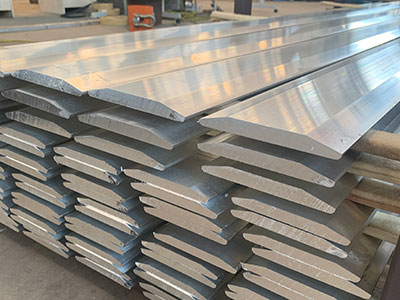
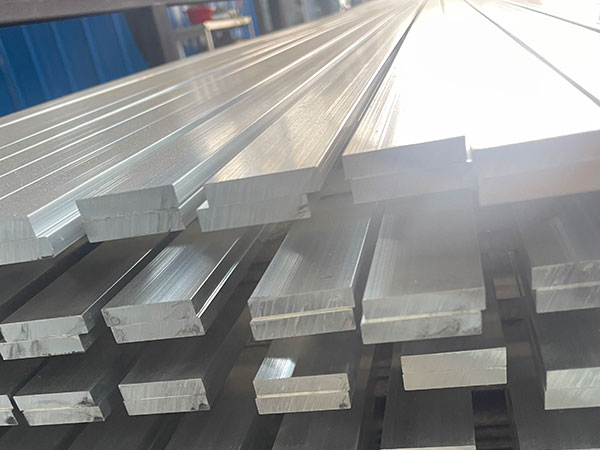
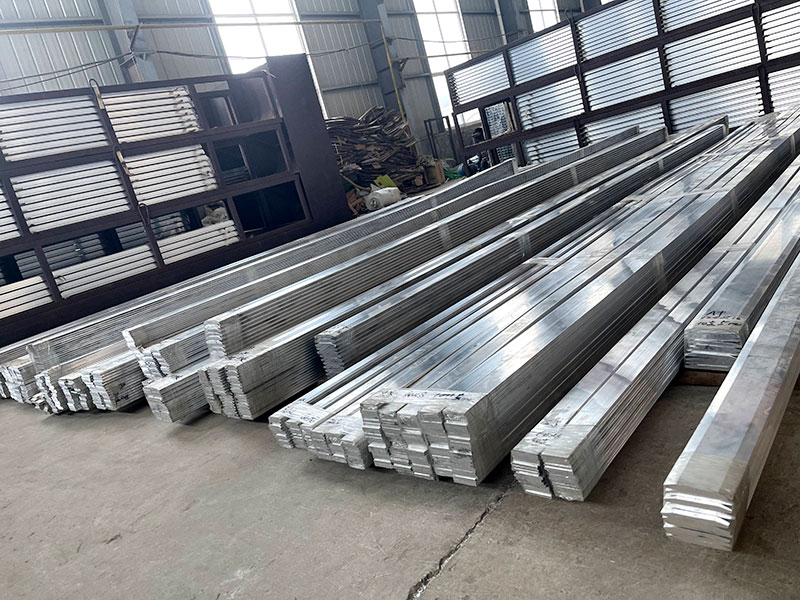
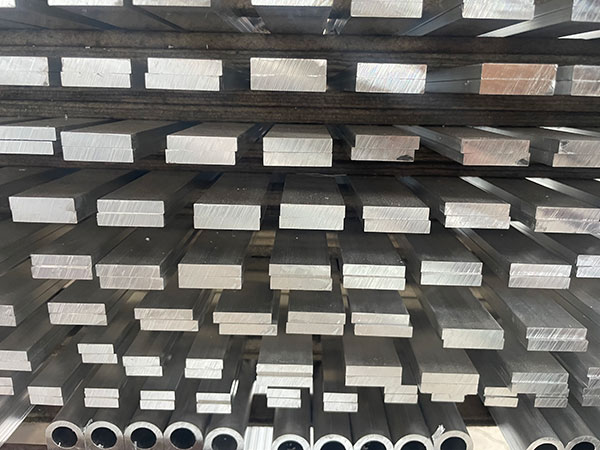
Professional field of aluminum bars
24/7 before-sales and after-sales services
Comprehensive technical support