
‹
›
‹
›
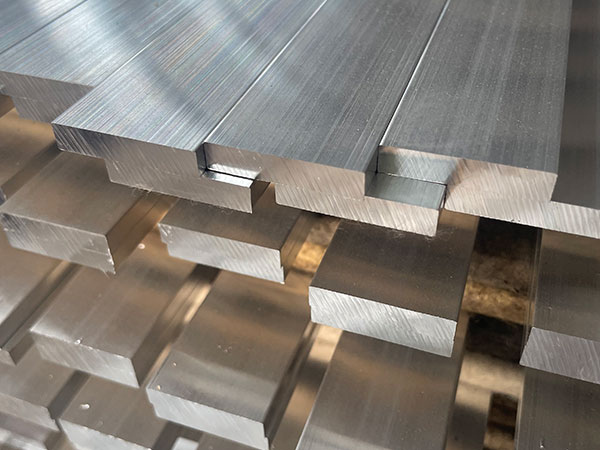
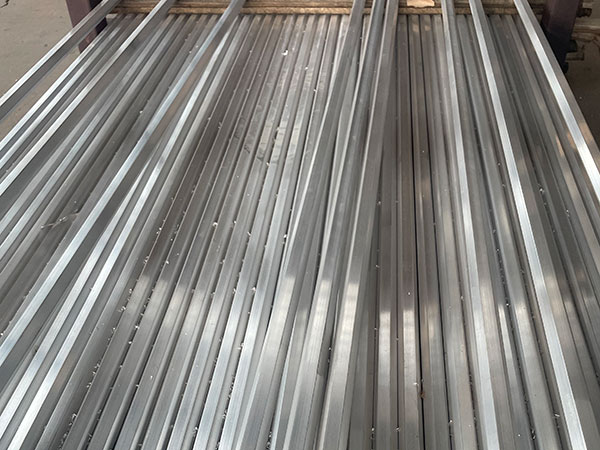
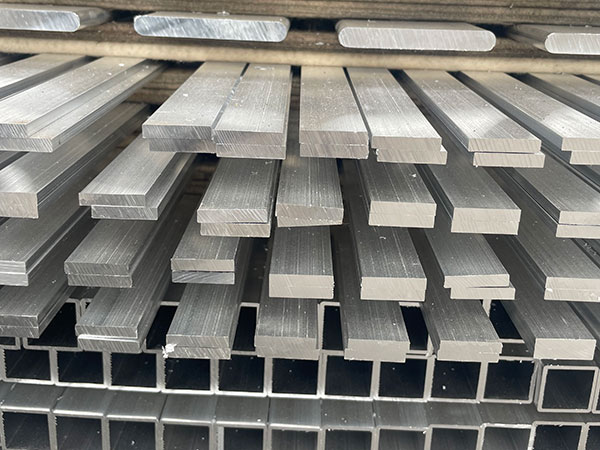
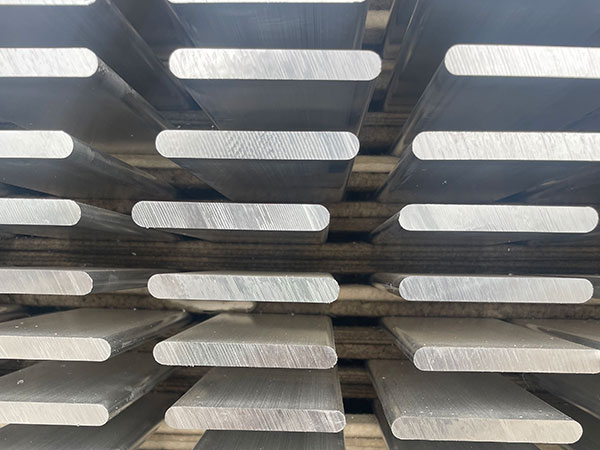
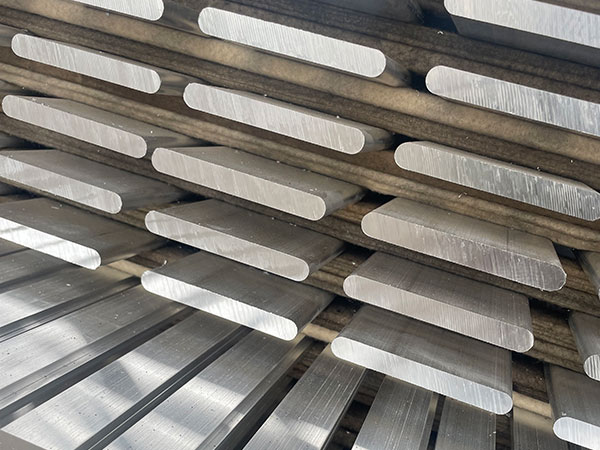
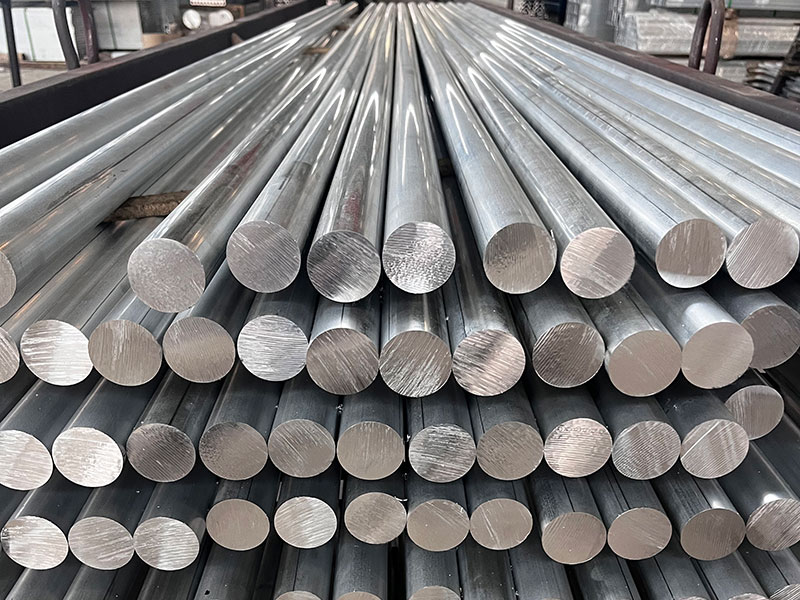
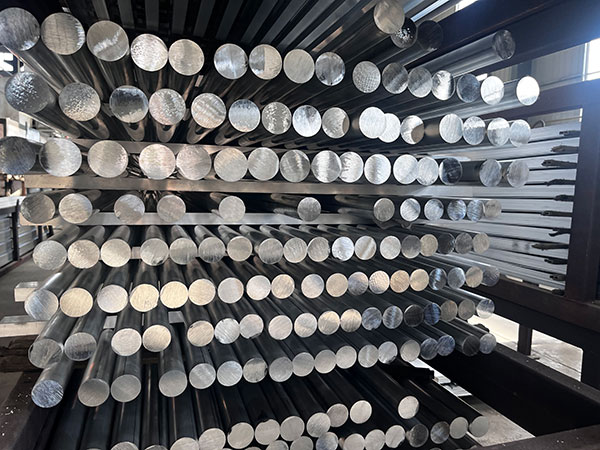
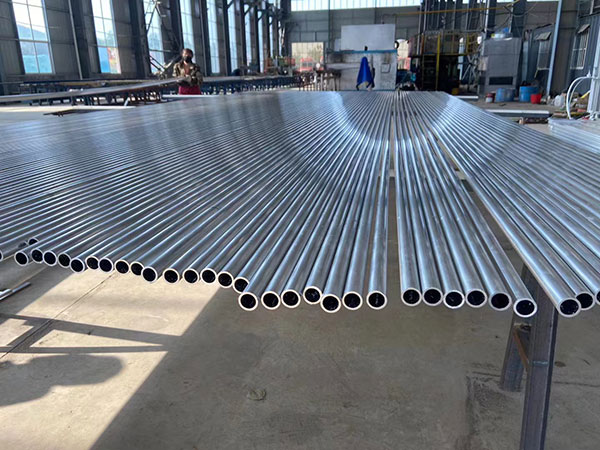
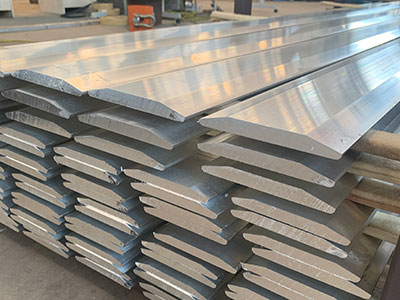
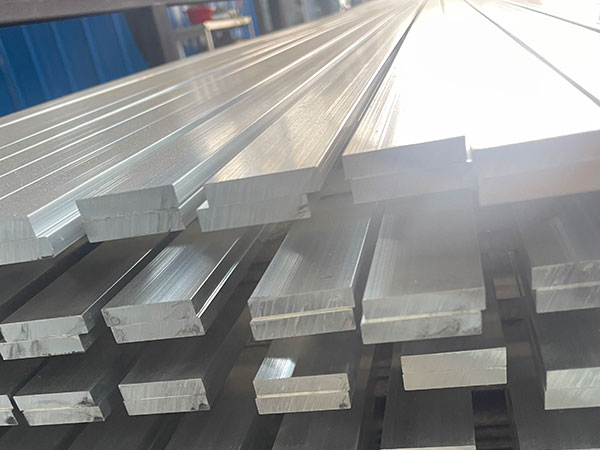
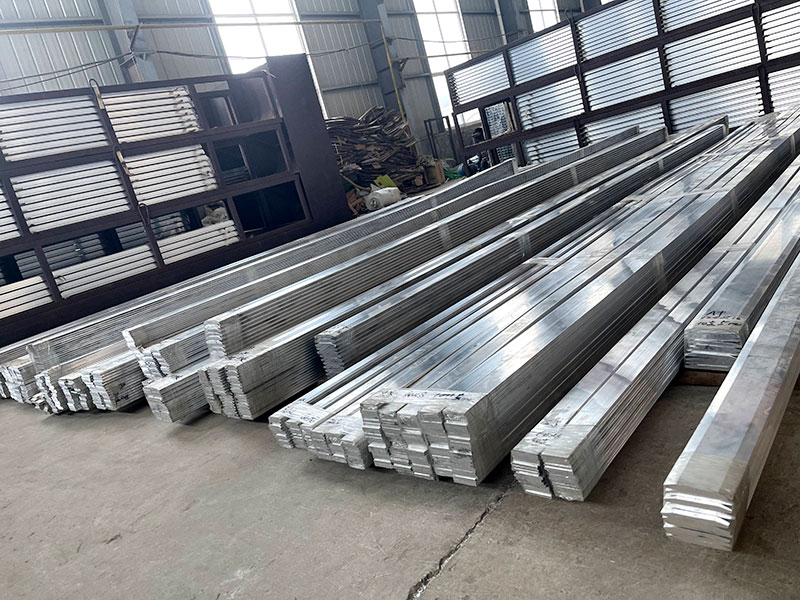
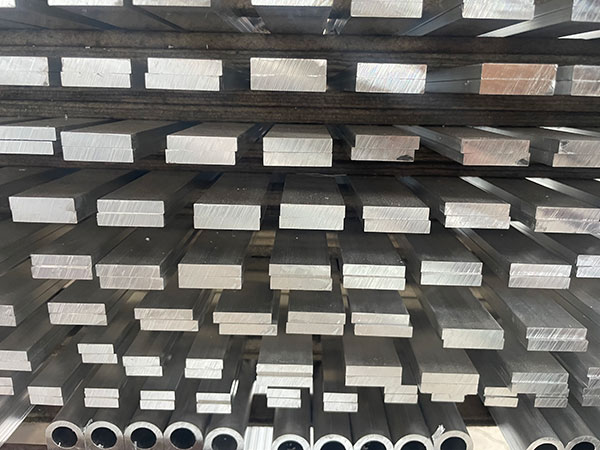
Pure aluminum busbar
Product Description
Product Overview
A pure aluminum busbar is a practical conductor choice for projects that demand reliable electrical performance, reduced structural load, and better cost control. Compared with heavier conductive metals, aluminum offers an effective balance of conductivity, corrosion resistance, thermal transfer, and processing flexibility. This makes it a preferred material across modern electrical systems, especially where long runs, large cross-sections, or weight-sensitive installations are involved.
In everyday engineering use, the aluminum row is valued for stable current carrying capability and easier installation handling. It is commonly selected for power distribution assemblies, renewable energy equipment, refrigeration cold storage systems, rail transportation, industrial control electronics, building infrastructure, and chemical or metallurgical environments. For buyers seeking a dependable Aluminum row manufacturer, the key is not only material supply, but also understanding how different grades match different service conditions.
Core Material Advantages
- High conductivity for efficient power transfer: Pure aluminum grades are widely used in conductive applications where dependable current flow is essential.
- Lightweight construction: Lower density helps reduce equipment weight, simplify transport, and ease installation in cabinets, bus systems, and structural assemblies.
- Cost-effective conductor option: Aluminum is often chosen when projects require a sound balance between performance and budget.
- Corrosion resistance: Natural surface oxidation helps protect the material in many indoor and selected industrial environments.
- Good thermal conductivity: Heat dissipation performance supports its use in electrical and thermal transfer scenarios.
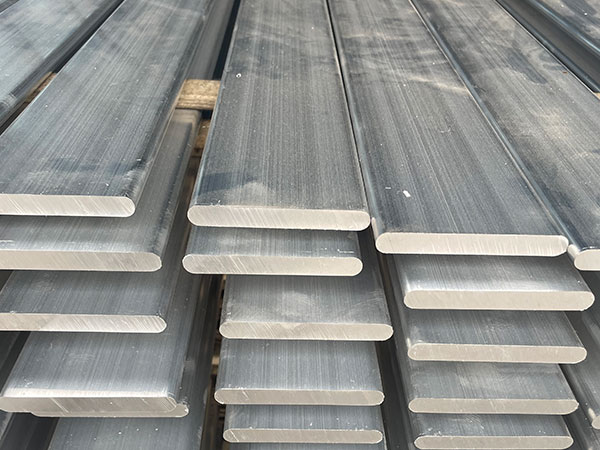
These characteristics make the Conductive aluminum row suitable for both standard electrical engineering and demanding industrial applications. In grounding systems, a Grounding flat aluminum design can also offer a lightweight and economical alternative where specification and environment allow.
Common Grade Selection Guide
Material selection should always follow the actual operating environment, mechanical requirements, installation method, and conductivity target. Based on common industry shorthand, several aluminum grades are frequently specified for busbar and flat bar use:
- 1060 / 1070: These are typical choices when the highest conductivity is the main priority. A Pure aluminum row in these grades is mainly used for power busbars, busbar systems, and general conductive purposes.
- 6063: Known for easier processing and balanced hardness, this grade is suitable for general power distribution, electrical cabinets, and electronic equipment structures.
- 6061-T6: This grade is selected when higher strength and deformation resistance are needed, especially in new energy vehicles, energy storage equipment, wind power, and high-voltage outdoor applications.
For conductivity-focused installations, 1060 and 1070 are often the first materials considered. For projects combining conductivity with fabrication convenience, 6063 is a practical option. Where structural load, vibration, or outdoor durability becomes more critical, 6061-T6 provides stronger mechanical support.
Applications, Benefits, and Buyer Value
Where This Product Is Commonly Used
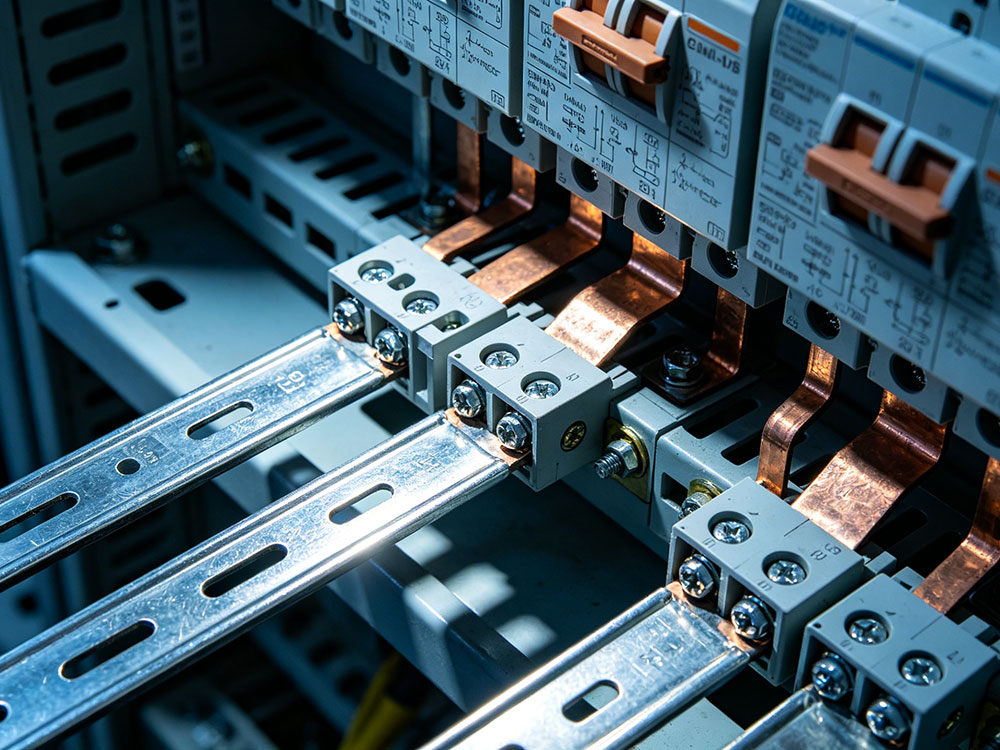
- Power distribution: Busbars, switchgear connections, cabinet conductors, and distribution system assemblies.
- New energy: Solar, wind, energy storage, and electric mobility systems requiring lighter conductive components.
- Refrigeration and cold storage: Electrical connection systems where corrosion resistance and thermal characteristics are beneficial.
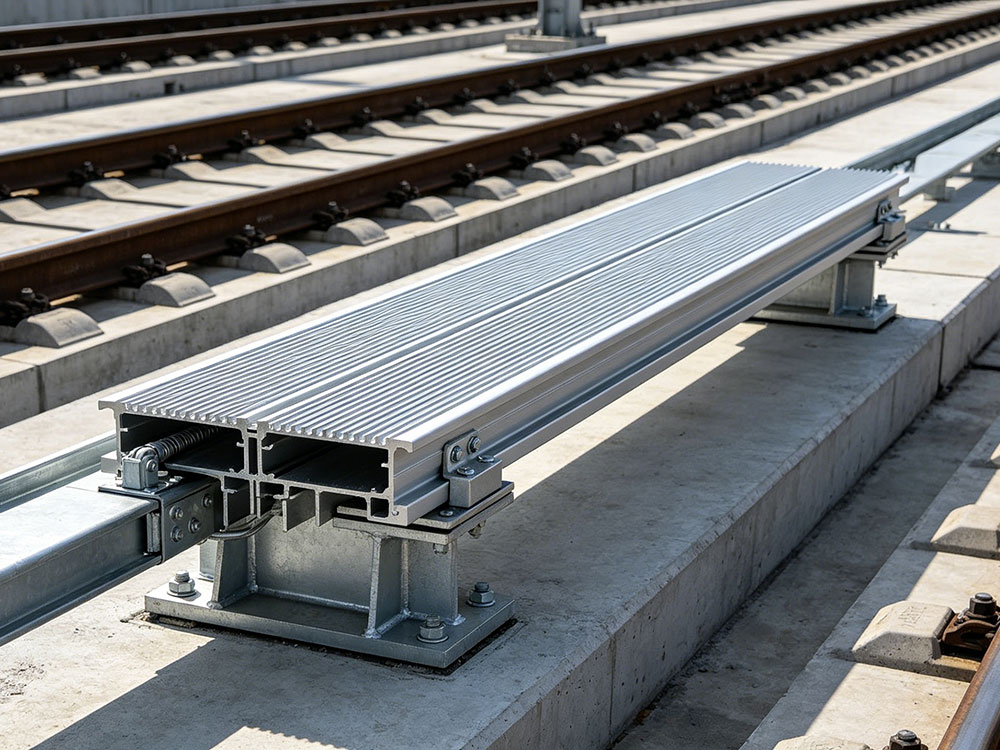
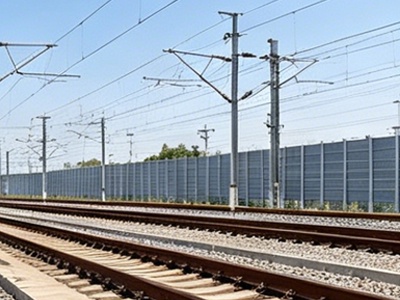
- Transportation rail: Weight-sensitive electrical infrastructure and supporting conductive parts.
- Industrial control electronics: Control cabinets, equipment frames, and conductive links in automation systems.
- Building infrastructure: Grounding, electrical distribution, and integrated utility networks.
- Chemical industry and metallurgy: Selected conductive applications where practical corrosion resistance and thermal performance matter.
Why Engineers and Buyers Choose It
A pure aluminum busbar is often chosen because it supports efficient system design at scale. In large electrical rooms, renewable installations, and industrial production lines, conductor weight has a direct impact on installation labor, support design, and transport cost. Aluminum helps control those factors without moving away from dependable conductivity for mainstream applications.
Another major advantage is processing adaptability. Depending on the selected grade, an Aluminum row can be cut, punched, bent, or integrated into cabinet and busbar assemblies more conveniently than many users expect. This is especially valuable for manufacturers and contractors handling customized layouts, compact enclosures, or repeat production projects.
From a purchasing perspective, working with an experienced Aluminum row manufacturer can improve consistency in material grade matching and application support. Buyers typically look beyond the metal itself and focus on whether the supply partner understands the difference between high-conductivity busbar use, general cabinet fabrication, and high-strength new energy scenarios.
Ideal Buyer Groups
- Electrical equipment manufacturers
- Power distribution panel builders
- Renewable energy system integrators
- Rail and transportation engineering contractors
- Industrial automation and control cabinet producers
- Construction and infrastructure project buyers
- Chemical and metallurgical plant procurement teams
Selection Considerations Before Purchase
When evaluating a Pure aluminum busbar or related flat aluminum conductor, buyers should confirm several practical points: required conductivity level, mechanical strength target, service environment, installation method, and fabrication demand. Conductivity-driven projects usually prioritize purer aluminum grades, while mechanically demanding applications may call for stronger alloy options. Grounding projects may also consider Grounding flat aluminum where local engineering standards and usage conditions are suitable.
For projects involving high current transmission, cabinet integration, outdoor exposure, or renewable energy equipment, proper grade selection is essential to achieving stable long-term performance. A well-matched Conductive aluminum row can support both electrical reliability and overall system efficiency, while avoiding unnecessary material cost or over-specification.
In summary, this product category remains a strong solution for users who need a conductor that is lightweight, economical, corrosion-resistant, and widely applicable. Whether the requirement is a Pure aluminum row for high conductivity, a general Aluminum row for distribution equipment, or a stronger alloy choice for new energy systems, aluminum busbar solutions continue to play an important role in modern electrical and industrial infrastructure.
Factory Showcase

Get In Touch With Us
If you want to get the latest progress of the product, please fill in the form below, we will get in touch with you as soon as possible.
Professional field of aluminum bars
24/7 before-sales and after-sales services
Comprehensive technical support