
‹
›
‹
›
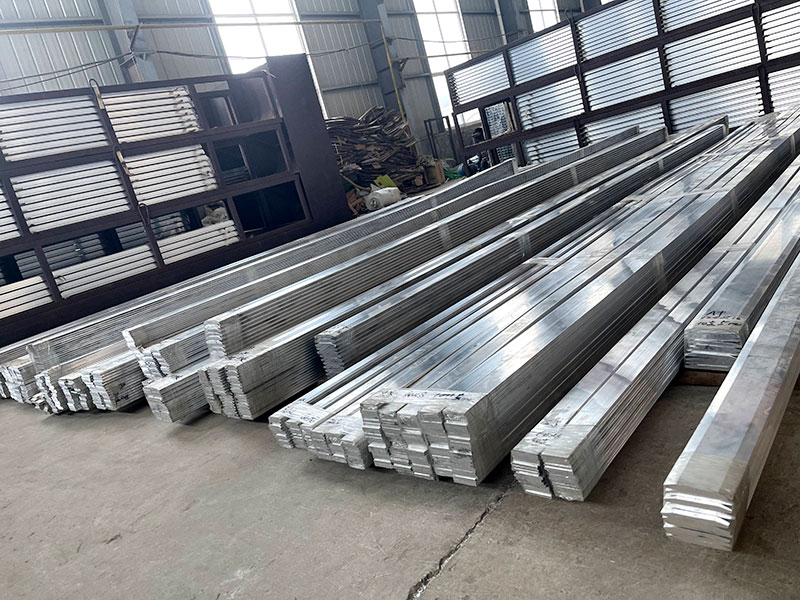
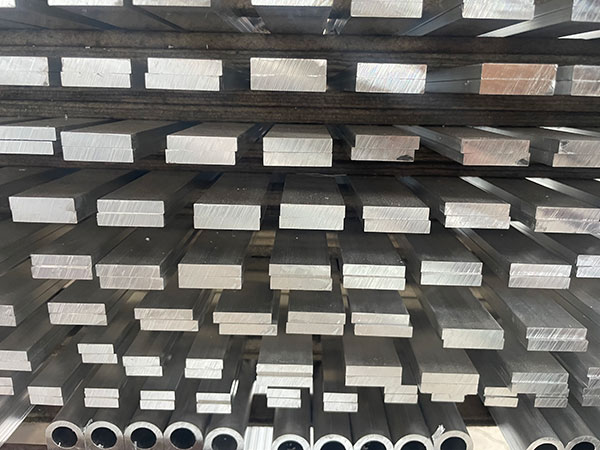
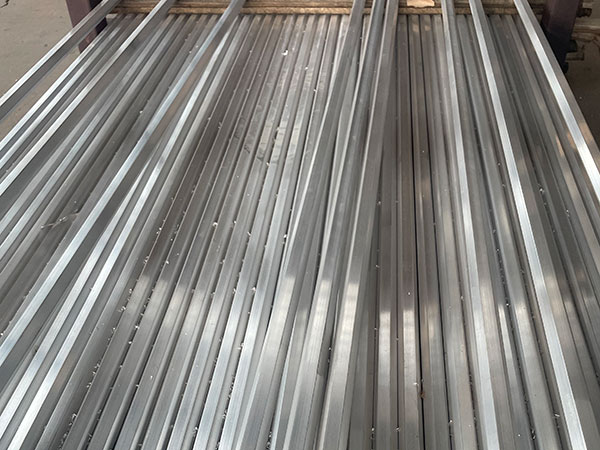
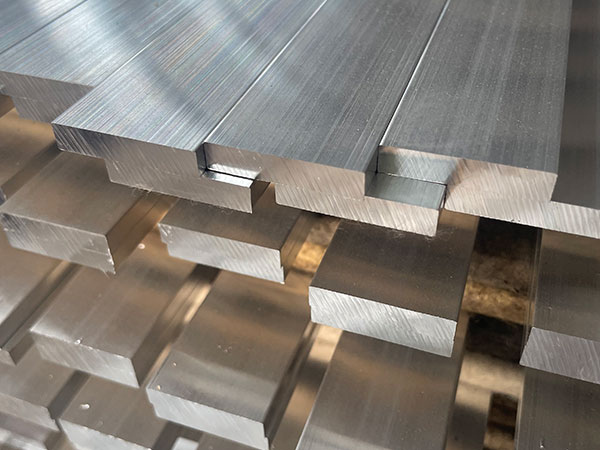
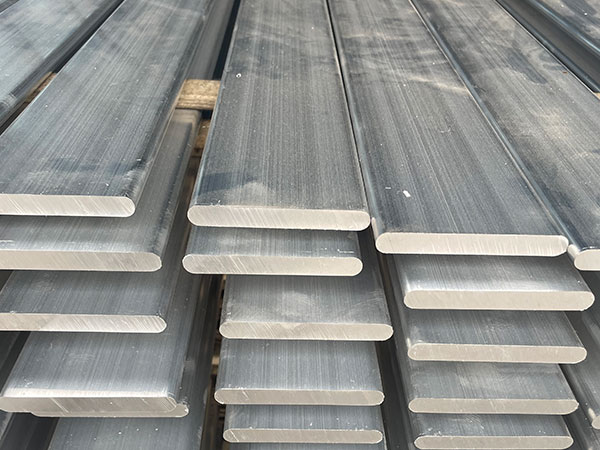
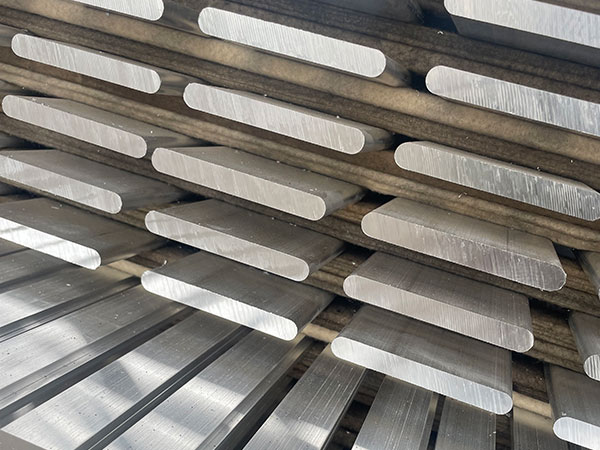
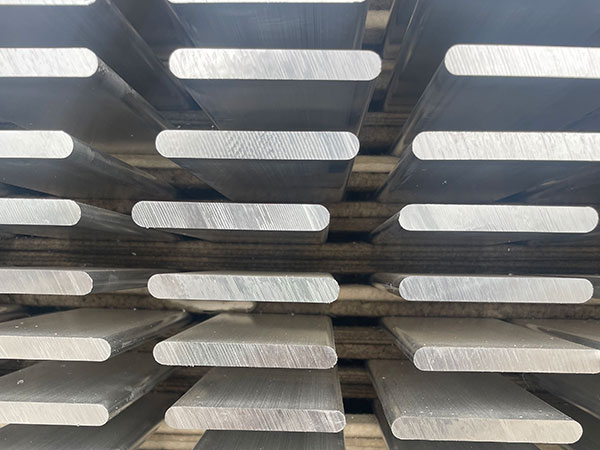
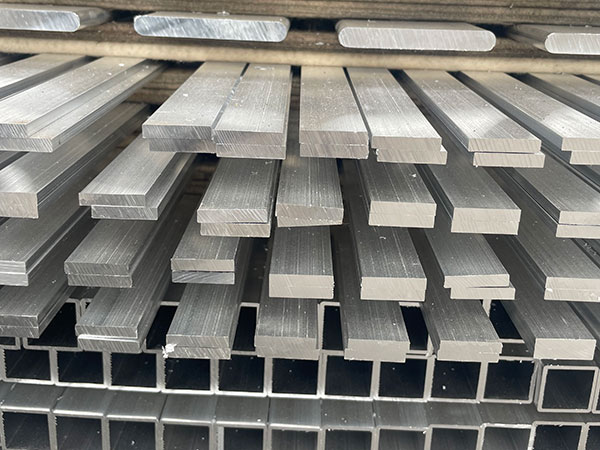
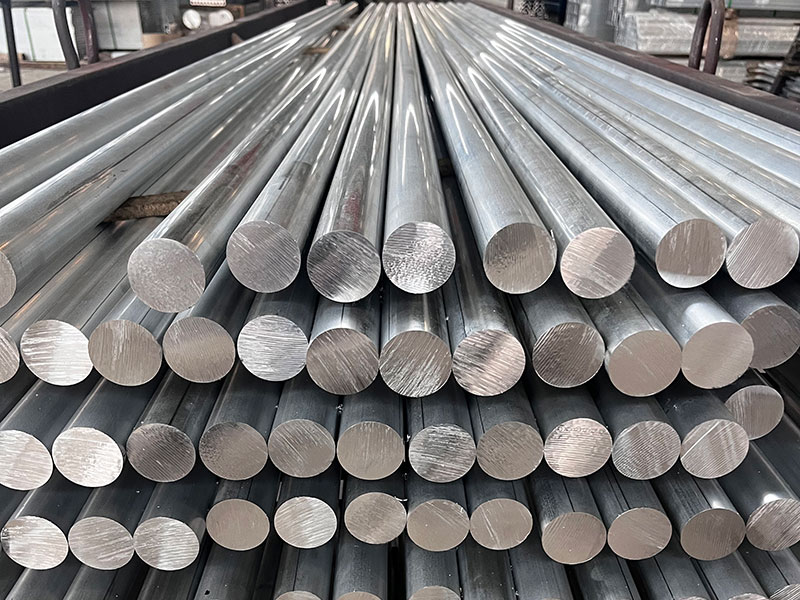
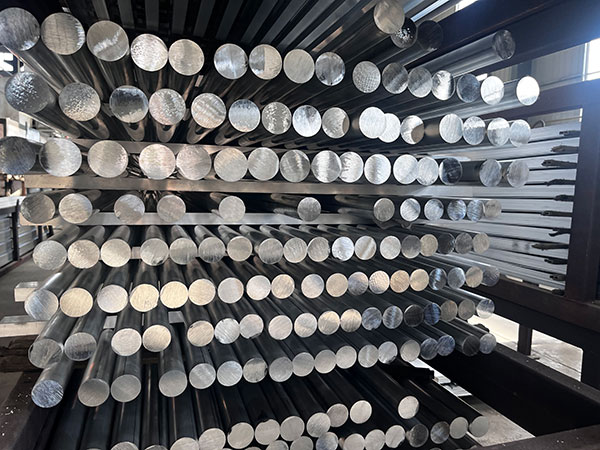
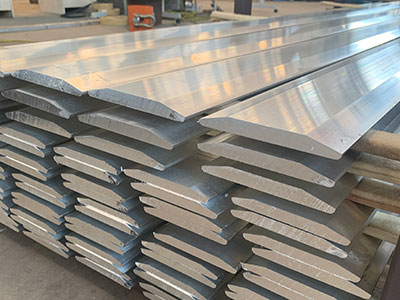
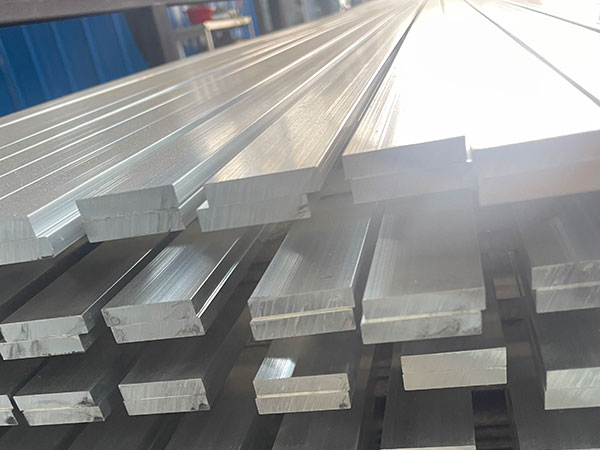
Conductive aluminum busbar
Product Description
Product Overview
A conductive aluminum busbar is a practical choice for electrical systems that require stable current transfer, lower structural load, and better cost control. Compared with heavier conductive materials, aluminum offers an effective balance of conductivity, mechanical adaptability, corrosion resistance, and thermal performance. For this reason, the aluminum row remains widely used across modern power and industrial projects where installation efficiency and long-term operating value matter.
This product is commonly selected for busbar connections, grounding networks, cabinet assemblies, and equipment conduction parts. Whether the application focuses on standard indoor power distribution or more demanding sectors such as energy storage, transportation rail, or outdoor electrical infrastructure, the right aluminum grade can help improve system consistency and simplify fabrication. In many projects, engineers and procurement teams choose an Aluminum row because it reduces weight without giving up practical conductivity for everyday use.
As an Aluminum row manufacturer serving a broad range of industrial needs, the market generally values this product for five essential qualities: dependable electrical conduction, lighter mass, competitive material cost, resistance to corrosion in suitable environments, and good thermal conductivity. These advantages make the Conductive aluminum row an efficient solution for installations where both electrical performance and fabrication economics must be considered together.
Common Material Options and Selection Guide
Material selection should always match the actual operating environment, structural requirement, and processing method. Different aluminum grades are used for different purposes, especially in busbar production and grounding applications.
Typical grades in common use
- 1060/1070 pure aluminum busbar: Known for very high conductivity, these grades are widely used for power busbars, conductive links, and general electrical transmission tasks. When conductivity is the first priority, a Pure aluminum row is often the preferred option.
- 6063 aluminum row: Easier to process with moderate hardness, suitable for general power distribution systems, electrical cabinets, and electronic equipment structures that require both conductivity and forming convenience.
- 6061-T6 aluminum row: Offers higher strength and stronger resistance to deformation. It is commonly chosen for new energy vehicles, energy storage systems, wind power equipment, and high-voltage outdoor installations where mechanical demands are greater.
In practical sourcing, buyers often compare conductivity needs with structural requirements. If the project is mainly about efficient current transfer, a Pure aluminum row may be more suitable. If the design also requires machining stability, profile retention, or better anti-deformation performance, 6063 or 6061-T6 may provide a more balanced solution.
Key Performance Advantages
1. Reliable conductivity for power transmission
The primary role of any conductive bus material is to carry current safely and efficiently. A well-selected Conductive aluminum row supports stable current flow in power distribution assemblies, switchgear connections, and equipment interconnections. For many industrial and commercial systems, it delivers the electrical performance needed while helping manage overall material cost.
2. Lightweight design for easier installation
One of the most valued benefits of an Aluminum row is its low weight. This helps reduce handling difficulty during fabrication, transport, and installation. In applications such as cabinet integration, building infrastructure, and rail systems, lower mass can also support more flexible structural design and improved installation efficiency.
3. Cost-effective material choice
Budget sensitivity is a constant factor in electrical and industrial engineering. Compared with some alternative conductive materials, aluminum provides an attractive cost-performance ratio. That is why many buyers seek a dependable Aluminum row manufacturer that can supply suitable grades for both standard and specialized applications.
4. Corrosion resistance for broader service environments
Aluminum naturally offers good corrosion resistance in many service conditions, which supports longer operational stability when the correct grade is selected. This makes it useful in building systems, refrigeration environments, outdoor power equipment, and certain chemical or metallurgical support applications where material durability matters.
5. Good thermal conductivity
Heat transfer is a practical concern in electrical assemblies. Good thermal conductivity can help with temperature management in operating systems, supporting equipment reliability and helping designers build safer conductive paths in compact spaces.
Main Application Fields
The aluminum row is widely used in seven major industries, reflecting its versatility and engineering practicality:
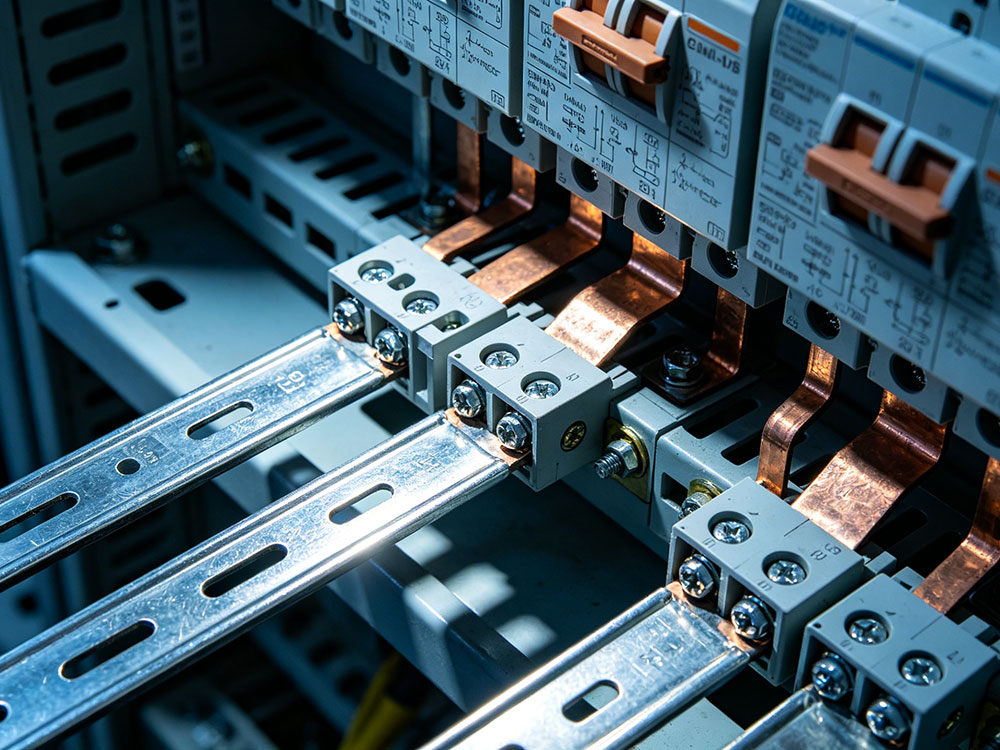
- Power distribution: Busbars, cabinet connections, switch systems, and grounding structures.
- New energy: Energy storage, photovoltaic systems, wind power, and electric vehicle support structures.
- Refrigeration and cold storage: Conductive and structural parts where low weight and corrosion resistance are important.
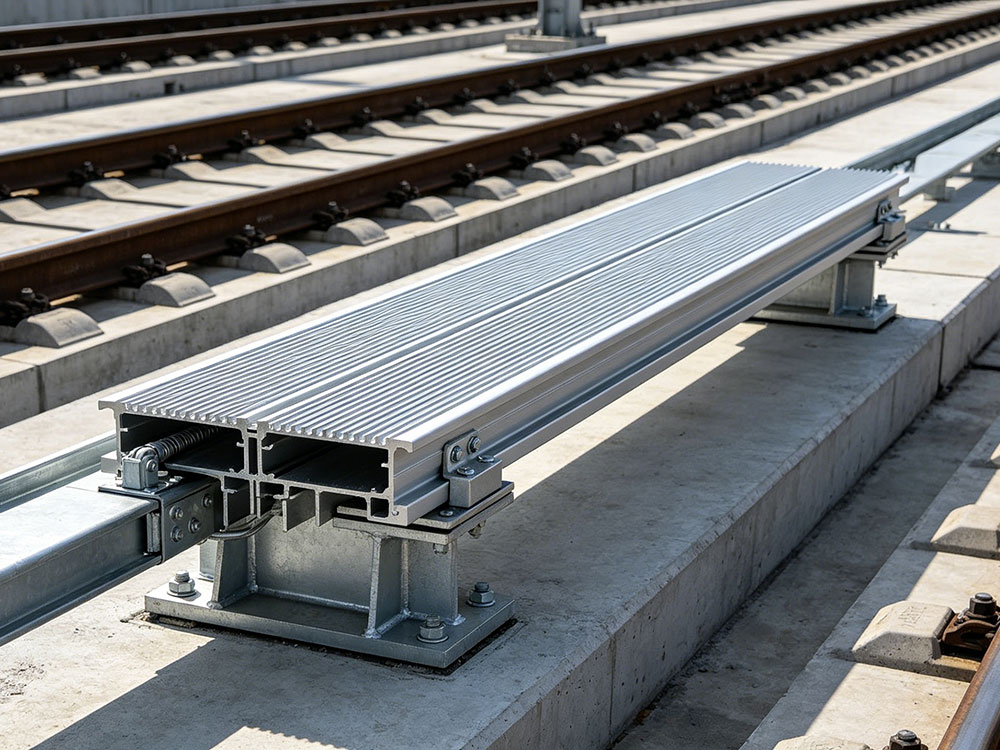
- Transportation rail: Electrical connection systems requiring material efficiency and reliable installation.
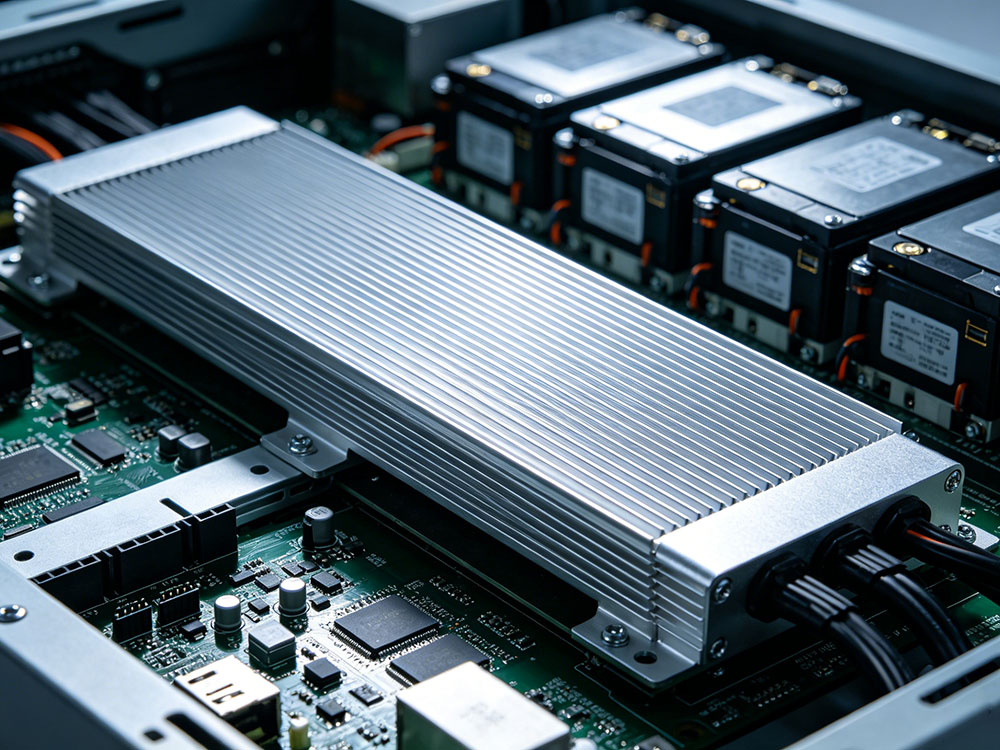
- Industrial control electronics: Cabinets, control boxes, support conductors, and equipment connectors.
- Building infrastructure: Distribution systems, grounding networks, and utility electrical integration.
- Chemical industry and metallurgy: Selected conductive or grounding components in industrial environments.
For grounding systems in particular, Grounding flat aluminum is often considered where project design calls for a flat conductive path with practical installation and cost advantages. It can be integrated into building grounding, utility support systems, and selected industrial electrical layouts according to actual engineering requirements.
Who This Product Is Best For
- Electrical equipment manufacturers seeking efficient conductive materials
- Panel builders and cabinet integrators needing machinable aluminum options
- Energy storage and renewable energy system suppliers requiring lightweight conductive parts
- Construction contractors specifying grounding and distribution materials
- Industrial buyers comparing strength, conductivity, and fabrication convenience across grades
For procurement teams, the real value lies not only in the base material, but in choosing the right form and alloy for the intended use. An experienced Aluminum row manufacturer can help align grade selection with conductivity targets, forming needs, deformation resistance, and installation conditions.
Why Aluminum Rows Remain a Strong Industrial Choice
In today’s market, material decisions are rarely based on a single factor. Projects demand electrical reliability, manageable costs, easier installation, and performance suited to specific environments. The aluminum row continues to meet these expectations because it is adaptable, economical, and proven across a wide range of sectors. From a high-conductivity Pure aluminum row for standard power use to stronger 6061-T6 options for demanding new energy systems, this product family offers clear practical value.
If your application requires a conductive material that combines light weight, corrosion resistance, and broad industrial usability, a properly selected Conductive aluminum row is a smart and scalable solution for modern electrical and infrastructure projects.
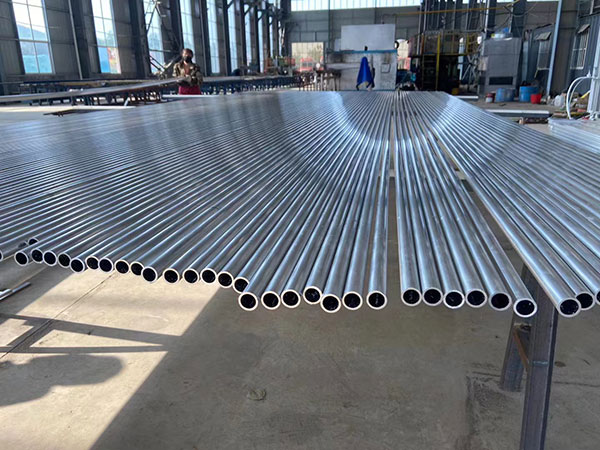
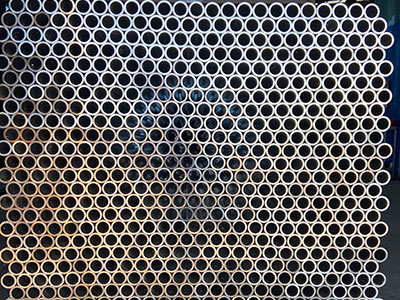
Factory Showcase
Get In Touch With Us
If you want to get the latest progress of the product, please fill in the form below, we will get in touch with you as soon as possible.
Professional field of aluminum bars
24/7 before-sales and after-sales services
Comprehensive technical support