
When Is an Aluminum Busbar Corrosion Resistant Enough for Outdoor Electrical Use?
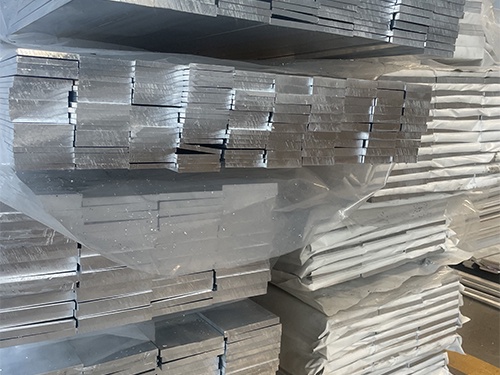
When is Aluminum busbar corrosion resistant enough for outdoor use?
Outdoor electrical service is harsher than many specifications suggest.
An Aluminum busbar corrosion resistant rating is not decided by the word aluminum alone.
Real durability depends on alloy, finish, installation details, moisture, airborne chemicals, and inspection standards.
In practice, the better question is simple: will the busbar keep conductivity, structural stability, and safe joints through its service life?
That is the point where material selection becomes a reliability decision, not just a purchasing item.
Does aluminum naturally resist corrosion outdoors, or is that only partly true?
It is partly true.
Aluminum forms a thin oxide film that protects the base metal in many environments.
That is why aluminum is widely used in power distribution, rail transit, new energy, and industrial electronics.
However, outdoor exposure changes the picture.
Salt spray, acid rain, standing water, copper contact, and trapped contaminants can accelerate attack at edges and joints.
So an Aluminum busbar corrosion resistant solution is usually judged by the full system condition, not by raw metal behavior alone.
What usually helps the most?
- Choosing the right alloy for conductivity and exposure.
- Using suitable surface treatment or coating.
- Preventing galvanic contact with dissimilar metals.
- Designing drainage and ventilation into enclosures.
- Controlling torque, sealing, and maintenance at joints.
Which alloys and tempers are more reliable outdoors?
The answer depends on what matters more: conductivity, strength, or both.
Pure grades such as 1060 or 1070 offer high conductivity.
They are common where current transmission is the first priority.
6063 is often selected when balanced formability, appearance, and corrosion behavior are needed.
6061-T6 brings higher mechanical strength and better deformation resistance.
It suits support structures, cabinet interconnection, and assemblies exposed to vibration.
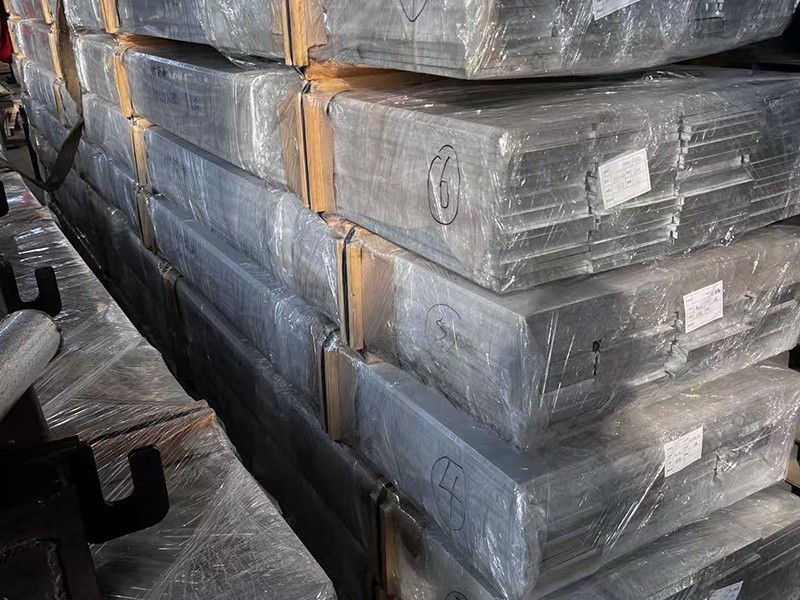
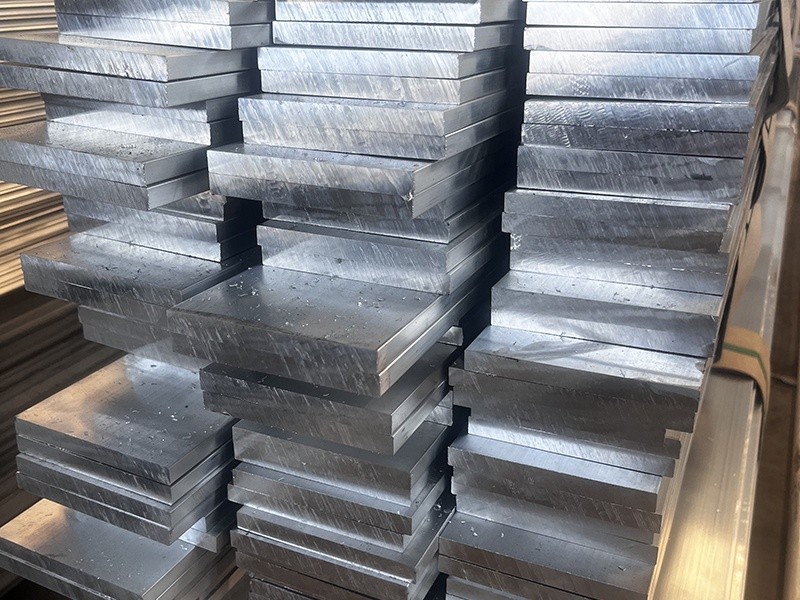
A practical reference is Aluminum row, offered in 1060 / 1070, 6063, and 6061-T6 for busbar-related uses.
Those combinations reflect a common industry logic: match the alloy to electrical duty and environmental stress together.
How can you judge whether the environment is too aggressive?
This is where many mistakes happen.
Outdoor does not mean one condition.
A busbar under a ventilated canopy behaves differently from one near the coast or beside chemical exhaust.
The table below gives a quick decision guide.
If exposure involves chlorides, alkali, or acidic condensate, standard assumptions are not enough.
You need environmental data, not guesses.
What makes one outdoor aluminum busbar last longer than another?
Usually, the weak point is not the straight section.
It is the connection area.
Water retention, improper torque, damaged oxide layers, and mixed-metal contact can raise resistance and heat.
That is why an Aluminum busbar corrosion resistant design should be checked at three levels.
- Material level: alloy, temper, conductivity, and corrosion record.
- Process level: extrusion accuracy, surface cleanliness, coating consistency.
- Assembly level: contact treatment, hardware isolation, sealing, and maintenance access.
Producers with controlled smelting, casting, extrusion, and inspection usually offer more stable quality data.
That matters because outdoor failures often begin with variation, not visible defects.
Companies such as Shandong Jinhao Aluminum emphasize standardized process control and industrial compliance for this reason.
Are there common mistakes when specifying Aluminum busbar corrosion resistant performance?
Yes, and most are preventable.
One mistake is choosing by conductivity only.
Another is assuming any coating solves every outdoor problem.
A third is ignoring thermal cycling.
Temperature swings can loosen joints, crack sealants, and expose fresh metal.
There is also a cost misconception.
A lighter aluminum conductor may reduce system weight and installation load, but poor joint detailing can erase that advantage.
For long service life, useful checks include:
- Salt spray or equivalent corrosion test records.
- Electrical contact resistance requirements after aging.
- Evidence of performance in similar outdoor applications.
- Maintenance instructions for joint recheck intervals.
What is a sensible way to evaluate options before approval?
Start with the service environment and duty cycle.
Then compare alloy, finish, and joint scheme together.
For applications such as grounding layouts, flat conductor arrangements, heat dissipation structures, or cabinet links, balance conductivity with mechanical needs.
If the project spans power distribution, cold storage, construction, or metallurgy, exposure details may differ sharply even within one site.
This is where a product like Aluminum row becomes relevant as a configurable material option rather than a one-size choice.
Good thermal conductivity, low weight, and useful corrosion resistance are valuable, but only when verified against actual installation conditions.
In short, Aluminum busbar corrosion resistant enough for outdoor electrical use means proven resistance in the real environment, with reliable joints and documented quality control.
The next step is practical: define the exposure level, shortlist suitable alloys, review test evidence, and check how the assembly will be sealed, connected, and maintained over time.
Navigation
Send Us A Message
Professional field of aluminum bars
24/7 before-sales and after-sales services
Comprehensive technical support