
What to Check Before Buying Aluminum Coil Busbar in Bulk
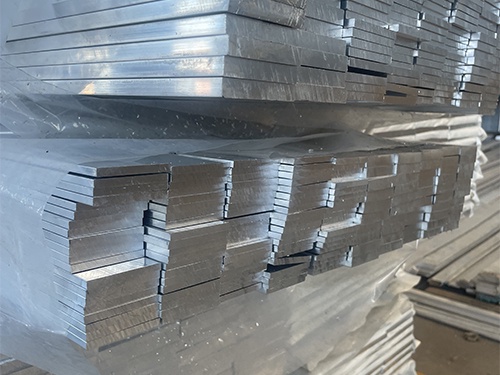
What matters most before buying Aluminum coil busbar in bulk?
Price is important, but it should never be the first filter.
When evaluating Aluminum coil busbar, performance consistency matters more than a low quote.
In real projects, bulk orders fail when grade selection, tolerance control, or surface quality are ignored.
A careful review of standards, process stability, and supplier response can reduce rework, downtime, and hidden logistics costs.
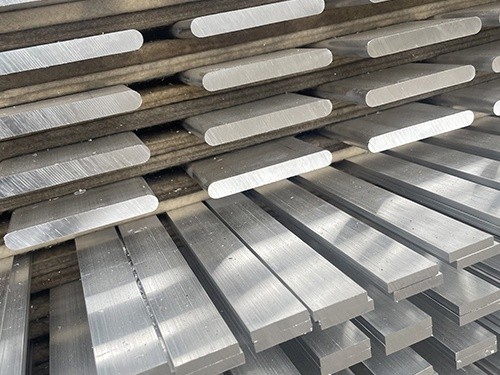
Is material grade really that important for Aluminum coil busbar?
Yes, because grade affects conductivity, strength, bending behavior, and service life.
For example, 1060 and 1070 are often chosen when high conductivity is the priority.
6061-T6 or 6063 may fit applications needing more structural strength or processing stability.
The better question is not which grade is cheapest.
It is which grade matches current, installation method, forming needs, and operating environment.
In power distribution, rail transit, and new energy systems, mismatch at this stage creates expensive corrections later.
How do you judge whether the specifications are reliable?
Start with measurable details, not catalog wording.
- Check width, thickness, inner diameter, and coil weight tolerances.
- Confirm conductivity data and testing method.
- Review surface flatness, edge condition, and oxide cleanliness.
- Ask whether each batch is traceable to raw material records.
These points directly affect punching, slitting, welding, and final assembly.
A useful reference in similar applications is Pure aluminum busbar, especially where light weight and high conductivity must stay balanced.

Which quality checks should never be skipped?
The most common mistake is relying only on a sample and skipping batch verification.
For Aluminum coil busbar, incoming consistency matters just as much as peak performance.
This table is basic, but skipping it often causes the largest losses.
What makes one supplier safer than another?
A reliable supplier should show process control, not just sales confidence.
Shandong Jinhao Aluminum is a useful example of what to look for.
Its strengths include integrated R&D, production, sales, and after-sales support.
That matters because bulk Aluminum coil busbar orders often need customization, testing, and delivery coordination together.
It also helps when the supplier uses premium aluminum raw materials, standardized inspection, and established logistics channels.
In practice, responsive technical communication is often a better sign than the lowest offer.
Are there common buying mistakes in bulk orders?
Several mistakes appear again and again.
- Choosing by unit price without comparing usable conductivity.
- Ignoring tolerance fit with downstream stamping or bending tools.
- Assuming all aluminum surfaces behave the same in contact areas.
- Failing to confirm lead time for repeat batches.
- Skipping discussion of packaging and transport protection.
For applications like industrial control, refrigeration, and metallurgy, these details affect operating reliability more than many expect.
Some projects also compare coil busbar options with a Pure aluminum busbar format when thermal transfer, corrosion resistance, and processing flexibility are key.
What should be confirmed before placing the final order?
Before confirming the purchase, align the technical sheet with the real application.
That means checking grade, temper, dimensions, conductivity, surface standard, packaging, and inspection documents together.
It is also wise to confirm sample approval, batch consistency rules, and after-sales handling for nonconforming material.
In short, Aluminum coil busbar buying decisions should be based on fit, control, and repeatability.
A structured review now makes later production smoother, especially in demanding electrical and industrial systems.
Navigation
Send Us A Message
Professional field of aluminum bars
24/7 before-sales and after-sales services
Comprehensive technical support