
What Makes a Reliable Chinese Aluminum Busbar Factory
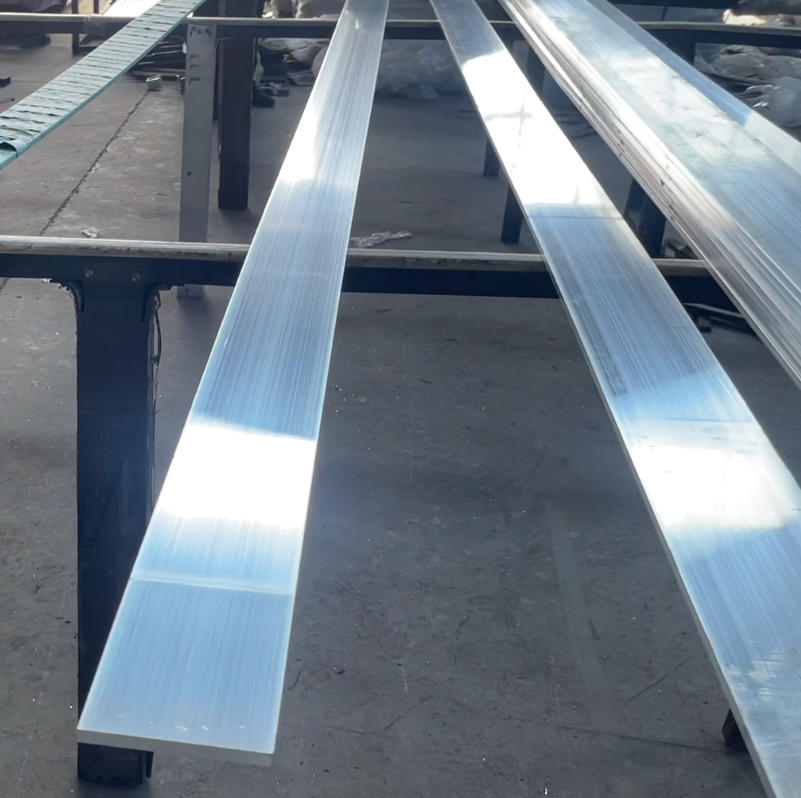
Choosing a reliable Chinese aluminum busbar factory affects more than unit price. It shapes electrical performance, installation efficiency, delivery certainty, and the long-term stability of industrial systems where tolerances and conductivity must stay consistent.
What reliability means in busbar production
A dependable Chinese aluminum busbar factory is not defined by capacity alone. It is measured by raw material control, process discipline, traceable inspection, and the ability to match design requirements without creating avoidable project risk.
In practice, that means stable alloy quality, accurate extrusion or machining, surface consistency, and clear communication from drawing review to shipment. For power distribution parts, small deviations can become installation delays or thermal problems later.
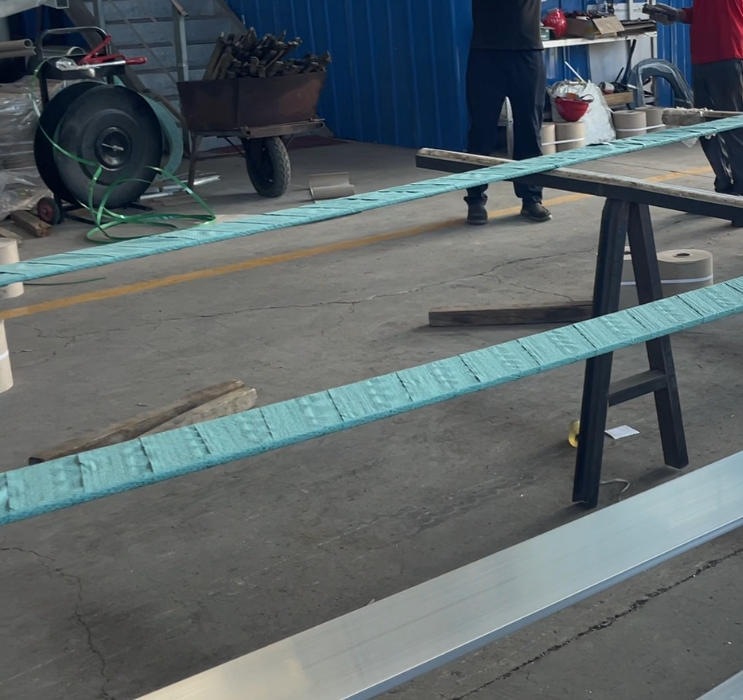
Why the market pays closer attention now
Busbars are widely used in new energy equipment, rail transit, automation lines, switchgear, and electronic systems. These applications require lightweight materials, corrosion resistance, and dependable dimensional stability under demanding operating conditions.
That is why a Chinese aluminum busbar factory must show more than broad product claims. Buyers usually look for industrial standards compliance, repeatable production, and evidence that custom specifications can be delivered at scale.
Signals of a trustworthy manufacturing partner
A strong supplier typically combines production and engineering support. Shandong Jinhao Aluminum, for example, operates across R&D, manufacturing, sales, and after-sales service, which helps reduce handoff errors during custom projects.
Its background in precision extrusion, smelting, casting, and full-process inspection reflects what many projects need from a reliable Chinese aluminum busbar factory: controlled materials, standardized workflows, and dependable logistics from an established industrial base.
- Verified raw material sourcing and alloy consistency
- Inspection records covering dimensions, finish, and mechanical performance
- Customization capability for drawings, holes, bends, and secondary processing
- Responsive support before and after delivery
Related aluminum processing capability also matters
A factory with broader aluminum processing experience is often better prepared for complex assemblies. That includes profiles, rods, bars, and components like Aaluminum tube, used in frames, supports, housings, and transport structures.
This matters because the same strengths apply across projects: lightweight structures, corrosion resistance, heat-treatable strength potential, and easy cutting, drilling, bending, or machining for integrated fabrication work.
How to evaluate a Chinese aluminum busbar factory
Start with the technical file, not the quotation. Confirm alloy grade, tolerances, conductivity expectations, surface treatment, packaging method, and inspection scope. Then review production lead time against actual monthly capacity and shipping arrangements.
It is also useful to compare sample quality with the factory’s communication speed. A reliable Chinese aluminum busbar factory usually answers specification questions clearly, identifies processing limits early, and keeps changes documented.
The next step is straightforward: define the application environment, list critical dimensions and performance targets, and evaluate suppliers against those points instead of price alone. That approach leads to stronger decisions and fewer downstream surprises.
Navigation
Send Us A Message
Professional field of aluminum bars
24/7 before-sales and after-sales services
Comprehensive technical support