
Reducing Voltage Drop with 6101 Aluminum Busbar Low Resistance in Industrial Panels
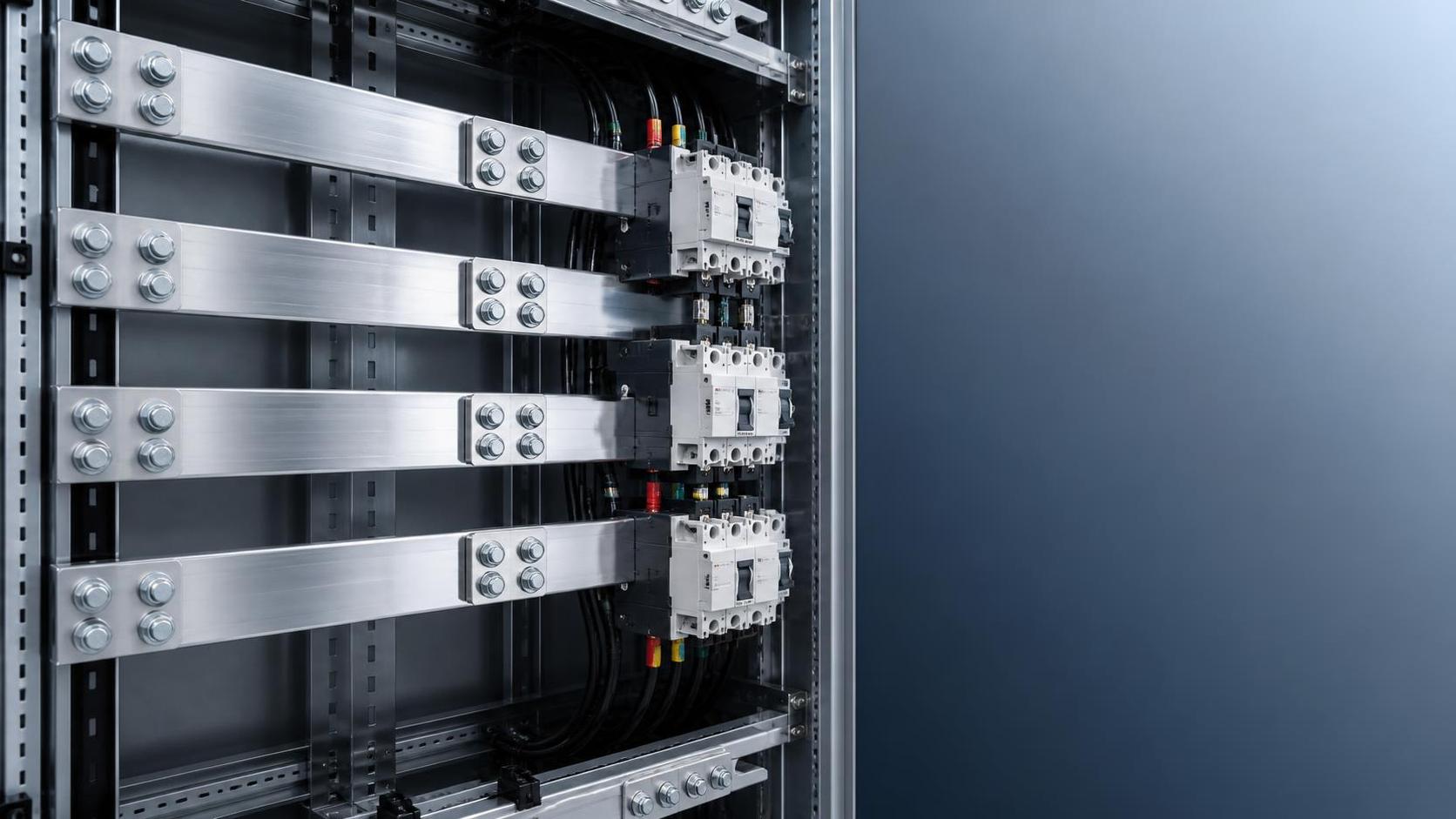
In industrial panels, voltage drop usually shows up as a practical nuisance before anyone calls it a design problem. A feeder runs warmer than expected, a cabinet feels less stable under changing loads, or a connection point starts needing more attention during maintenance. Many people first notice the symptom, not the cause. By the time they begin checking components, the issue may already be affecting efficiency, heat buildup, and confidence in long-term reliability.
One common reason is that the conductor path was chosen mainly by size or habit, not by resistance, current path length, thermal behavior, and installation conditions together. That is why the topic of 6101 aluminum busbar low resistance matters in industrial panels. It is not just about replacing copper with another metal or selecting a lighter bar. It is about reducing unnecessary electrical loss while keeping the bus system practical to fabricate, install, and maintain.
Where voltage drop starts getting overlooked
A frequent mistake is to assume that any metal bar with enough cross-section will behave well in a panel. In reality, voltage drop is influenced by several connected details: conductor material, path length, joint quality, surface condition, temperature rise, and the way the busbar is supported inside the enclosure. If one of these is off, resistance goes up where it should stay controlled.
Another misunderstanding is to focus only on the straight run of the busbar. In many panels, the larger issue comes from transitions: bolted joints, cabinet interconnections, grounding sections, or sharp layout changes that complicate current flow and heat dissipation. Even a good conductor material can perform poorly if the geometry or joint preparation is careless.
A more useful way to judge the busbar choice
When the goal is reducing voltage drop, the better question is not “Which material is cheapest?” or “Which bar is easiest to buy?” It is whether the selected conductor offers a reasonable balance of conductivity, weight, corrosion behavior, fabrication convenience, and thermal stability under real panel conditions.
That is where 6101 is often considered for busbar applications. In situations that need good conductivity and manageable structural performance, a 6101 aluminum busbar low resistance approach can make sense because it supports current transmission while also keeping overall system weight lower than heavier alternatives. In large distribution assemblies or panel builds where routing, support, and assembly matter, that reduced weight can also simplify handling during fabrication and installation.
What to check before changing the busbar material
Before making a change, it helps to review the actual problem path instead of treating the whole panel as the problem. Start with the conductor length and cross-section. Then look at every interface where the busbar connects to breakers, terminals, equipment feeds, or grounding structures. If resistance is increasing mainly at the connection points, changing material alone will not solve much.
It is also worth checking the operating environment. In industrial electronics, energy systems, switchgear, and machinery cabinets, corrosion resistance and heat transfer matter almost as much as nominal conductivity. A conductor that performs well electrically but is difficult to maintain in a humid, dusty, or mixed-metal environment may create new problems later.
For some panel builders, related fabricated parts such as support members, cabinet interconnection pieces, or grounding conductors are also selected from aluminum products that are easier to machine and integrate. In those cases, components like Aluminum Tube may appear in equipment assembly or structural layouts where low weight, practical corrosion resistance, and good thermal conductivity are useful alongside the main busbar system. That does not replace the busbar decision, but it can support a more consistent material approach inside the assembly.
Practical adjustments that usually help
If you are trying to reduce voltage drop in a working panel design, the most effective improvements are usually basic but specific. Increase conductor cross-section where space allows. Shorten unnecessary routing. Improve joint flatness and contact preparation. Avoid layout choices that force awkward bends or crowded termination areas. Make sure support spacing does not encourage movement that can affect connection integrity over time.
Material selection then becomes part of a broader correction, not a standalone fix. A properly designed 6101 aluminum busbar low resistance setup is generally most useful when the rest of the path is also treated carefully: clean contact areas, suitable joining hardware, realistic thermal allowances, and panel layouts that do not trap heat around current-carrying sections.
When aluminum makes operational sense
In many industrial settings, aluminum is chosen not only for conductivity but because it brings a practical combination of lower weight, workable cost, and corrosion resistance. That matters in panel interconnection, power distribution expansion, rail-related electrical structures, new energy equipment, and other installations where large conductive sections must remain manageable during fabrication.
For assemblies that involve conductive connectors, grounding layouts, or cabinet work in addition to busbars, using aluminum-based components can simplify processing and material matching. Products such as Aluminum Tube are sometimes selected in those adjacent roles because they offer stable conductivity, light weight, and fabrication convenience in general electrical or support applications.
In the end, reducing voltage drop is rarely about one dramatic change. It is more often the result of choosing a low-resistance conductor path, designing cleaner connections, and using materials that fit the actual panel environment. If you are reviewing a bus system that runs warm, wastes space, or becomes troublesome at the joints, looking seriously at 6101 aluminum busbar options is a sensible next step.
Navigation
Send Us A Message
Professional field of aluminum bars
24/7 before-sales and after-sales services
Comprehensive technical support