
Pure Aluminum Busbar vs Copper: Key Tradeoffs for Power Systems
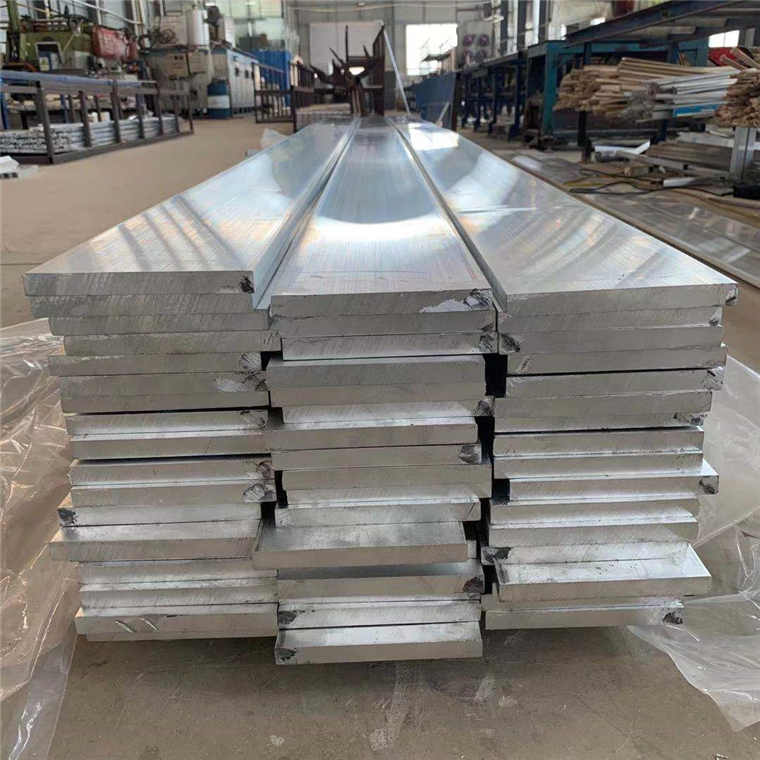
Pure Aluminum Busbar vs Copper: Key Tradeoffs for Power Systems
When evaluating conductor materials for modern power systems, Pure aluminum busbar often draws attention for lower weight and lower material cost.
At the same time, copper still leads in conductivity and compact design.
The right choice depends on current load, installation space, corrosion exposure, and lifecycle priorities.
Where Pure Aluminum Busbar Has an Edge
The biggest advantage of Pure aluminum busbar is weight reduction.
In large switchgear, solar combiner systems, and distribution assemblies, lower weight can simplify handling and structural support.
Cost is another practical factor.
When copper prices stay volatile, aluminum can improve budget control, especially in scale-driven projects.
Corrosion resistance also matters in outdoor or humid environments, provided joint design and surface treatment are handled correctly.
Where Copper Still Performs Better
Copper offers higher electrical conductivity.
That means a smaller cross-section can carry the same current.
In space-limited cabinets, this can be a decisive benefit.
Copper also brings stronger mechanical stability at connections.
This reduces concerns about creep, contact pressure loss, and long-term fastening reliability.
For high-vibration or high-fault-current conditions, copper often remains the safer default.
Key Evaluation Points Before Selection
- Check allowable temperature rise under actual load cycles.
- Confirm whether extra busbar width or thickness is acceptable.
- Review joint treatment, oxide control, and compatible connectors.
- Compare total installed cost, not only raw material price.
- Assess maintenance expectations across the full service life.
This is where supplier process capability becomes relevant.
Shandong Jinhao Aluminum Co., Ltd. supports aluminum alloy production with precision extrusion, smelting, casting, and disciplined quality inspection.
For related fabrication needs, Aluminum rod options such as 6061, 3102, and 5050 can support machining, forming, and corrosion-focused applications.
A Practical Decision Rule
Choose Pure aluminum busbar when weight, corrosion behavior, and cost efficiency carry more value than minimum size.
Choose copper when compact layout, maximum conductivity, and connection robustness dominate the design brief.
A sound material decision starts with current density, enclosure limits, and joint reliability, then moves to procurement and lifecycle economics.
Navigation
Send Us A Message
Professional field of aluminum bars
24/7 before-sales and after-sales services
Comprehensive technical support