
Pure Aluminum Busbar Applications in Switchgear and Distribution Panels
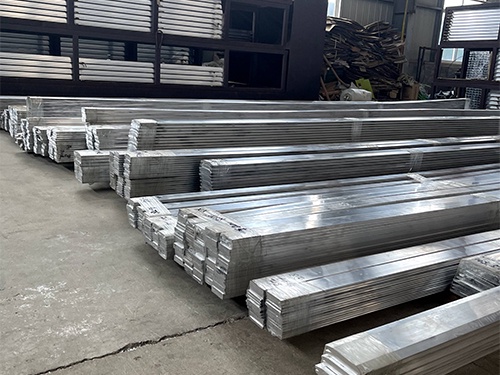
Pure Aluminum Busbar Applications in Switchgear and Distribution Panels
For project planning, conductor selection shapes reliability, installation speed, and budget control.
Pure aluminum busbar is widely used because it combines low weight, strong conductivity, and good corrosion resistance.
In switchgear and distribution panels, that balance supports practical performance without adding unnecessary system weight.
Why Pure Aluminum Busbar Fits Power Distribution
Pure aluminum busbar offers very high conductivity for current carrying and conductive connections.
It also improves handling during assembly, especially in compact cabinets and large panel projects.
From a project view, lighter busbars can reduce transport effort, simplify installation, and ease support structure demands.
- Lower system weight for easier panel integration
- Good thermal conductivity for heat management
- Corrosion resistance for longer service stability
Cost efficiency in large-scale distribution builds

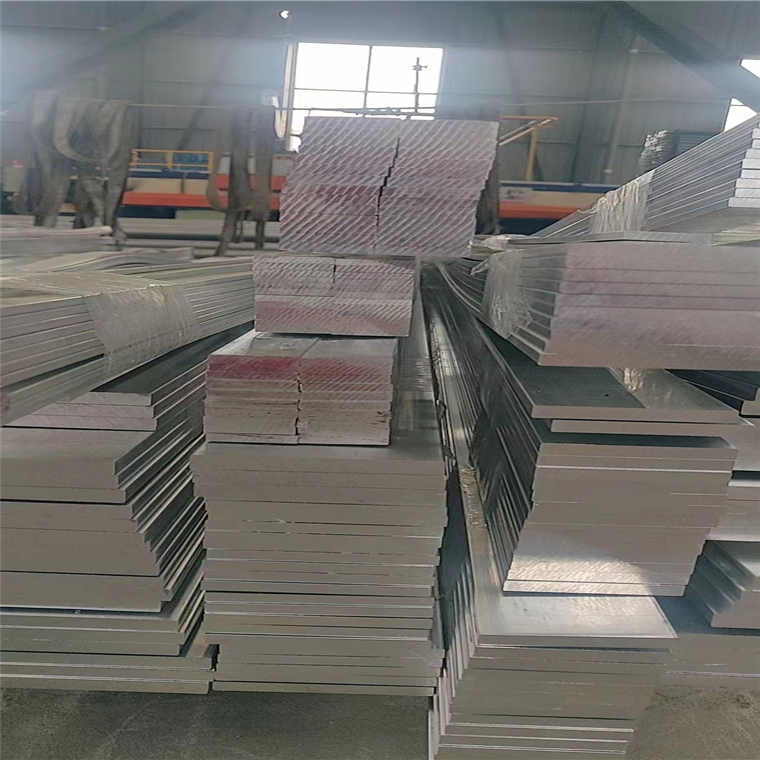
Typical Applications in Switchgear and Panels
The most common use of pure aluminum busbar is main power distribution inside low-voltage and medium-voltage switchgear.
It is also effective for branch connections, grounding use, and compact routing inside distribution panels.
In new energy cabinets, industrial control electronics, and building infrastructure, stable electrical transmission is the main priority.
Where routing space is limited, Right-angle aluminum busbar can help create cleaner layouts and better structural integration.
Material and Grade Selection Considerations
Not every project needs the same aluminum grade.
For maximum conductivity, 1060 and 1070 pure aluminum are often selected for busbar applications.
When higher strength or better deformation resistance matters, 6063 or 6061-T6 may suit structural and conductive needs together.
This matters in rail, refrigeration, chemical industry, and industrial systems with vibration or tighter mechanical demands.
What to Check Before Finalizing a Solution
- Current load and conductivity target
- Cabinet space and routing direction
- Heat rise and ventilation conditions
- Surface treatment and corrosion environment
- Consistency of supply and forming quality
A reliable supplier should also support model selection, customization, and stable after-sales response.
Shandong Jinhao Aluminum Co., Ltd. provides aluminum profiles, bars, rods, and deep-processing solutions with standardized quality control.
Practical Takeaway
Pure aluminum busbar remains a strong option for switchgear and distribution panels where conductivity, weight, and cost must stay balanced.
The right grade, shape, and processing approach can improve installation efficiency and long-term operating stability.
For better project outcomes, evaluate application conditions early and match the busbar design to real distribution requirements.
Navigation
Send Us A Message
Professional field of aluminum bars
24/7 before-sales and after-sales services
Comprehensive technical support