
How to order power aluminum busbar custom size correctly
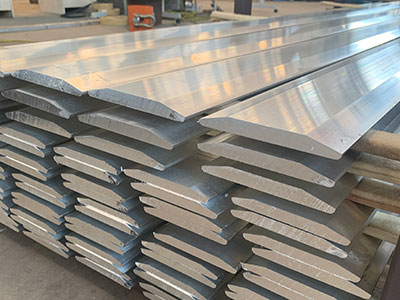
For procurement teams, ordering Power aluminum busbar custom size products correctly means balancing technical accuracy, delivery efficiency, and long-term cost control. With the right supplier, custom aluminum busbars can meet strict conductivity, strength, and application requirements while reducing processing risks and procurement delays. This guide explains the key points buyers should confirm before placing an order to ensure a smooth, reliable purchasing process.
Why a checklist matters for Power aluminum busbar custom size orders
Power aluminum busbar custom size projects often fail because one small detail is missing. A wrong alloy, radius, hole tolerance, or surface requirement can delay installation and increase scrap.
A checklist helps control technical communication. It also aligns drawings, production capability, inspection standards, packaging needs, and delivery timing before mass production starts.
In aluminum applications, material selection matters as much as dimensional accuracy. Conductivity, corrosion resistance, weight, and machining behavior directly affect the final value of a Power aluminum busbar custom size order.
Core checklist for ordering Power aluminum busbar custom size correctly
- Define the exact application first. State voltage environment, current load, temperature range, installation space, and whether the busbar is used indoors, outdoors, or in corrosive conditions.
- Confirm the alloy grade clearly. Common options include 1060, 1070, 6063, and 6061-T6, each offering different balances of conductivity, strength, formability, and machining stability.
- Specify cross-section dimensions precisely. Include thickness, width, total length, straightness limits, edge condition, corner radius, and any bending or punching features needed for assembly.
- Provide tolerance requirements in writing. Do not rely on general verbal descriptions when custom size busbars must fit terminals, slots, insulators, or enclosed electrical cabinets.
- Send drawings with revision control. Use PDF plus editable formats when possible, and mark hole spacing, slot positions, chamfers, and critical connection surfaces to avoid interpretation errors.
- Check conductivity and mechanical expectations together. High conductivity is essential, but strength, flatness retention, and post-processing performance also influence service life and installation speed.
- Request surface condition details. Clarify whether you need mill finish, oxide removal, polishing, coating compatibility, or special cleanliness for electrical contact points.
- Confirm fabrication steps before production. Cutting, drilling, punching, bending, and deburring should be listed in sequence because each step affects dimensional control and scrap rate.
- Ask for inspection standards in advance. Define how dimensions, conductivity-related properties, appearance, and packaging will be checked before shipment.
- Review packaging and logistics requirements. Long aluminum busbars need proper separation, end protection, moisture control, and loading plans to prevent deformation during transport.
- Verify sample approval rules. For new Power aluminum busbar custom size orders, approve a pre-production sample or first article before releasing full volume.
Lock delivery milestones and after-sales support. Confirm lead time for tooling, extrusion, machining, inspection, and export shipment, especially for recurring project schedules.

Material and processing points that affect order accuracy
Not every aluminum busbar performs the same way. Pure aluminum grades such as 1060 and 1070 are often preferred when conductivity is the priority and structural stress is limited.
For applications needing more mechanical strength or shaped sections, 6063 and 6061-T6 may be considered. However, the conductivity level and machining plan must still match the electrical design.
A practical option for many projects is Pure aluminum busbar. It offers high conductivity, light weight, good corrosion resistance, and useful thermal transfer performance.
Processing flexibility also matters. Deep cutting, drilling, and bending can influence edge quality and flatness. That is why custom size confirmation should include both raw material and downstream fabrication details.
Supplier capability should be reviewed early
A qualified aluminum supplier should control smelting, extrusion, machining, inspection, and shipping in a coordinated way. This reduces variation between drawings, samples, and delivered batches.
Shandong Jinhao Aluminum Co., Ltd. combines R&D, production, sales, and after-sales service for aluminum alloy products. With standardized process control and quality inspection, the company supports stable custom aluminum solutions for industrial use.
Application notes for different Power aluminum busbar custom size scenarios
Power distribution
In power distribution systems, contact reliability and dimensional consistency are critical. Hole alignment, flat connection faces, and stable conductivity should be confirmed before production release.
If multiple cabinets use the same part, unify drawing numbers and tolerance rules. This prevents mixed batches and reduces installation adjustment on site.
New energy
Battery packs, inverters, and energy storage systems often require lightweight conductors with controlled heat behavior. In these cases, Power aluminum busbar custom size orders should include thermal considerations and insulation interfaces.
Compact layouts also demand precise bends and hole positions. Even small deviation can affect pack assembly efficiency and electrical safety clearances.
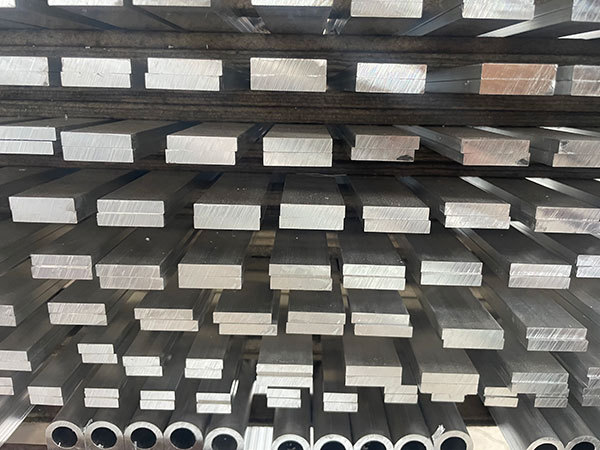
Rail transit and industrial control
These environments usually require both conductivity and mechanical reliability. Vibration, repeated maintenance, and limited installation space mean the custom size busbar must be dimensionally stable after machining.
When the application includes enclosure mounting or complex routing, ask the supplier to review forming feasibility before confirming final dimensions.
Common oversights and risk warnings
Ignoring contact surface requirements is a common mistake. If oxide, burrs, or roughness affect the connection area, resistance can rise and long-term performance may decline.
Mixing design dimensions with processing dimensions also creates rework. A bending allowance or punching sequence can change final geometry if not planned in advance.
Ordering by size only, without alloy confirmation, is risky. Two busbars with the same dimensions can behave very differently in conductivity, strength, and machining response.
Underestimating packaging is another issue. Long, thin aluminum parts can scratch or deform during loading if separators and end protection are not specified.
Skipping sample approval often leads to repeated corrections. For any new Power aluminum busbar custom size specification, first article verification is a low-cost control step.
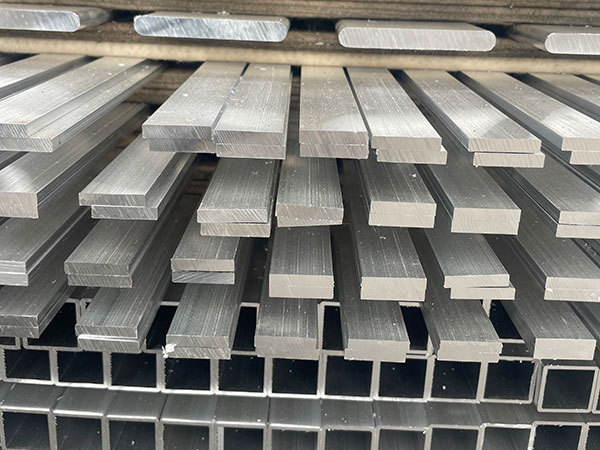
Practical steps before placing the final order
- Prepare a complete technical package including drawing, alloy, temper, dimensions, tolerances, quantity, and use environment.
- Request a manufacturability review before confirming the custom size and processing route.
- Approve a sample, especially when hole locations, bends, or mating parts are critical.
- Align inspection standards, test records, packaging method, and shipment schedule in the purchase order.
- Keep revision history controlled so the supplier always works from the latest confirmed file.
If the project needs a cost-effective conductor with high conductivity, good corrosion resistance, and lightweight performance, review whether Pure aluminum busbar matches the operating conditions and fabrication plan.
Final takeaway for a smoother custom order
A successful Power aluminum busbar custom size order depends on clear technical data, correct alloy selection, realistic processing control, and disciplined supplier communication.
Use a checklist before approval, not after problems appear. Confirm application, dimensions, tolerances, fabrication steps, inspection rules, and logistics details as one complete package.
That approach reduces delay, improves fit, and supports stable electrical performance. The next practical step is to send a controlled drawing set and request a full technical review before order release.
Navigation
Send Us A Message
Professional field of aluminum bars
24/7 before-sales and after-sales services
Comprehensive technical support