
How to Select 6101 Aluminum Busbar Low Resistance for Efficient Current Carrying
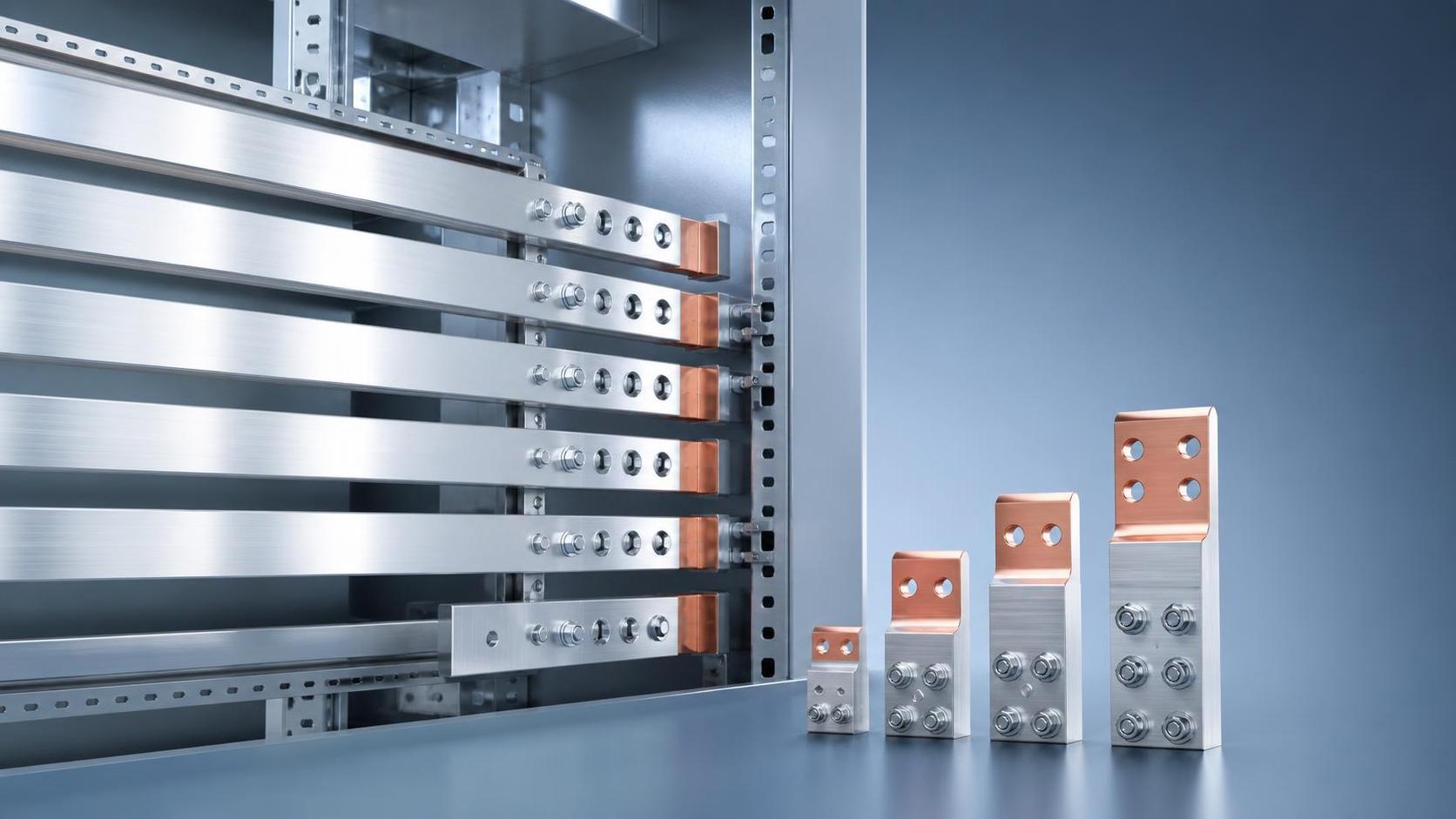
If you are comparing options for a 6101 aluminum busbar low resistance design, the real question is not simply “which alloy conducts better.” The better question is: which busbar will carry the required current with acceptable temperature rise, stable joints, and predictable long-term performance in your actual installation. In many projects, losses and overheating come less from the alloy name itself and more from undersized sections, poor surface condition, loose connections, or inconsistent manufacturing.
That is why 6101 is often evaluated seriously for power distribution, switchgear, rail systems, and new energy equipment. It offers a practical balance between conductivity, mechanical strength, weight, and fabrication performance. For technical selection work, that balance matters more than a headline number taken out of context.
What matters most in 6101 aluminum busbar low resistance selection
A short answer first: choose 6101 when you need a conductive aluminum busbar with better structural capability than very high-purity grades, but only after checking current load, allowable temperature rise, joint design, and dimensional consistency. A busbar that looks acceptable on paper can still fail in service if the contact area, plating, or fastening method is wrong.
One common mistake is to treat low resistance as a material-only issue. It is not. Resistance in a busbar system comes from two places: the conductor body and the connection points. In real installations, bolted joints, transition interfaces, oxide film management, and flatness can influence performance just as much as bulk conductivity.
So when reviewing a 6101 busbar supplier, start with four things:
- Cross-sectional area matched to actual current and duty cycle
- Temper and mechanical properties suited to bending, punching, or support span
- Surface quality and dimensional tolerance for stable contact resistance
- Process consistency from extrusion through inspection
Do not judge conductivity alone
Some buyers move too quickly to the highest-conductivity alloy and overlook assembly realities. In fixed power equipment, a slightly lower-conductivity material with better mechanical stability may produce a better overall result. 6101 is attractive for that reason. It is widely considered where designers need decent electrical performance without giving up too much strength or fabrication control.
This becomes more obvious in long bus runs, cabinet interconnection, or vibration-prone equipment. If the bar deforms too easily, contact pressure changes over time. Once that happens, local heating starts at the joint, not in the middle of the conductor.
For grounding structures or auxiliary conductive parts, evaluators sometimes compare 6101 with other aluminum forms used in the same project. In those cases, products such as Aluminum Tube may be considered for lightweight conductive assemblies, cabinet structures, or support-related layouts where stable conductivity, corrosion resistance, and manageable fabrication are also required. That is not a substitute for a busbar, but it can be relevant in the surrounding system design.
The details that usually separate a good busbar from a risky one
Look closely at the surface and the geometry. A 6101 aluminum busbar low resistance result depends heavily on clean contact faces, controlled thickness, straightness, and burr-free edges after machining or punching. If the supplier cannot hold dimensions consistently, your joint resistance becomes harder to control batch to batch.
Also check how the busbar will be used:
- Indoor switchgear and cabinets: joint quality and tolerance control are usually the first concern.
- New energy and storage systems: thermal cycling and repeated load variation deserve more attention.
- Rail transit or industrial machinery: vibration resistance and fastening reliability move higher on the list.
- Outdoor or corrosive environments: surface protection strategy and galvanic compatibility must be reviewed carefully.
Another practical point: if the design includes copper-aluminum transitions, do not evaluate the aluminum bar in isolation. The interface hardware, coating choice, and installation torque are part of the electrical path.
How experienced evaluators narrow the decision
In actual sourcing work, the better approach is to ask for processing capability, inspection discipline, and application fit, not just a material label. A manufacturer with mature extrusion, smelting, casting, and full-process quality control is usually easier to work with when your project needs repeatable dimensions or customized sections. That is where a company such as Shandong Jinhao Aluminum often becomes relevant in evaluation: the value is not just supplying aluminum products, but supporting selection, customization, logistics, and after-sales coordination for industrial applications.
Before approval, confirm these points with samples or technical documents where available:
- Actual alloy grade and temper
- Dimensional tolerances and straightness
- Surface finish condition before assembly
- Recommended joining method and fabrication limits
- Quality inspection items for each batch
If any of those answers stay vague, the procurement risk goes up.
When 6101 is a good fit, and when it is not
6101 usually makes sense when you need efficient current carrying with lower system weight, reasonable corrosion resistance, and practical fabrication for power distribution or energy equipment. It is a sensible option when both electrical efficiency and structural usefulness matter.
It may be less suitable if your design priority is pushing conductivity as high as possible regardless of mechanical trade-offs, or if the project environment demands a very specific plated system, connector standard, or thermal margin that has not been validated with 6101.
Near the final decision stage, keep the focus on system resistance, not alloy marketing. A well-made 6101 aluminum busbar low resistance solution is usually the result of correct sizing, sound joint engineering, and reliable manufacturing control working together.
FAQ
Is 6101 better than pure aluminum for busbars?
Not in every case. Pure aluminum grades may offer higher conductivity, but 6101 is often chosen because it gives a more useful balance of conductivity and mechanical strength.
What causes high resistance in an aluminum busbar system most often?
Poor joints, oxide film issues, insufficient contact pressure, and inconsistent surface finish are frequent causes.
Should I focus on busbar thickness or width first?
Focus on total cross-sectional area and installation constraints together. Shape affects heat dissipation, joint layout, and mechanical fit.
Is 6101 suitable for new energy applications?
Often yes, especially in systems where weight, conductivity, and manufacturability all matter. Final suitability still depends on thermal cycling, connection design, and project standards.
What should I ask a supplier before approval?
Ask for alloy and temper confirmation, tolerance control, surface condition, joining recommendations, and batch inspection details.
Internal Link Anchor Text Suggestions
- aluminum busbar material comparison: alloy selection guide page
- busbar joint resistance control: technical knowledge page
- industrial aluminum profile customization: product or service page
- aluminum grounding conductor applications: application page
- power distribution aluminum solutions: industry solutions page
External Authority Source Suggestions
- recognized aluminum industry association technical resources
- electrical standard or safety code publications for busbar systems
- official manufacturer technical datasheets for alloy and connection hardware
Navigation
Send Us A Message
Professional field of aluminum bars
24/7 before-sales and after-sales services
Comprehensive technical support