
How to Reduce Lifecycle Cost with Conductive Aluminum Busbar
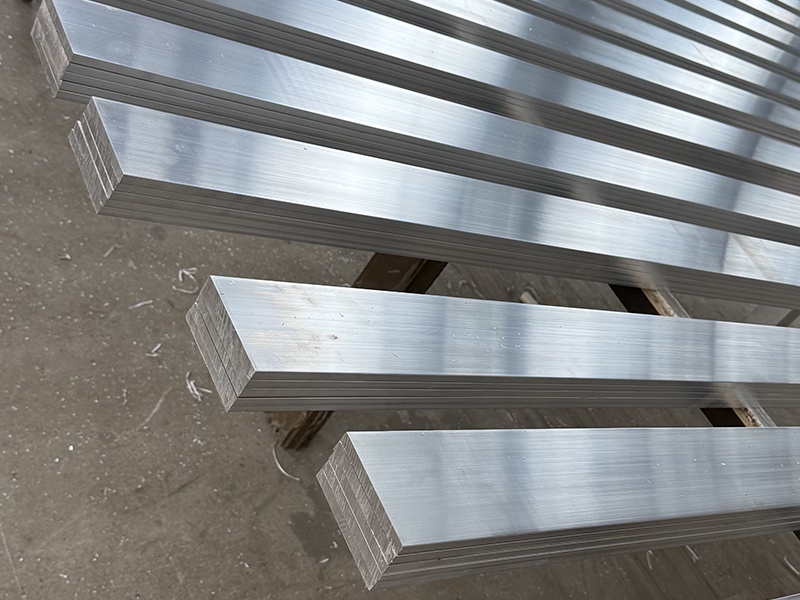
How does conductive aluminum busbar really lower lifecycle cost?
The short answer is simple: total cost is shaped by weight, downtime, labor, maintenance, and replacement frequency.
A conductive aluminum busbar often reduces all five, not just purchase expense.
Its lighter mass cuts transport and handling costs.
Good conductivity supports stable power distribution when sizing, surface treatment, and connection design are correctly matched.
In practical projects, the bigger savings usually appear later.
Less structural load, easier installation, and better corrosion resistance can reduce maintenance events across rail transit, automation lines, new energy systems, and equipment assemblies.
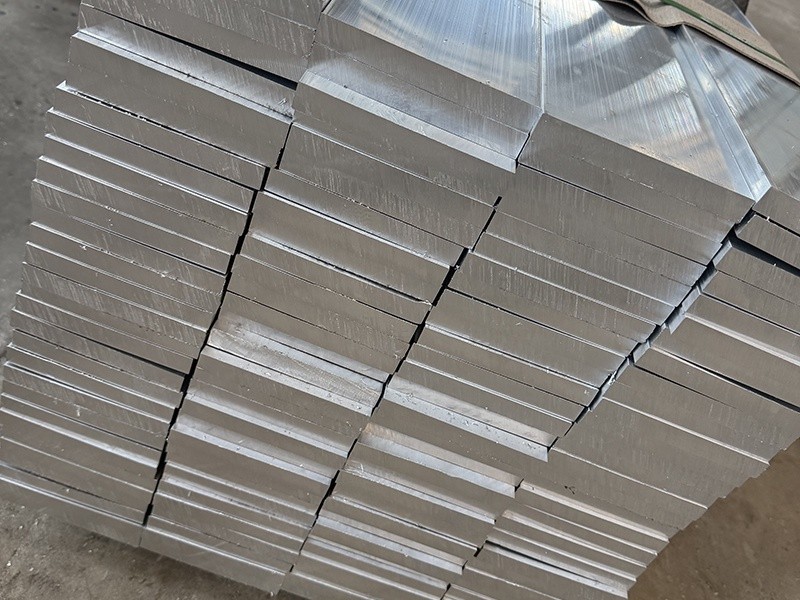
Is conductive aluminum busbar suitable for every power distribution application?
Not always, but it fits many demanding industrial environments.
The better question is whether the application values lightweight structure, controlled conductivity, and corrosion resistance over simple material familiarity.
It is commonly considered for:
- electrical cabinets and switch systems
- battery packs and energy storage assemblies
- automated production equipment
- transport and vehicle electrical structures
- renewable energy distribution connections
Where vibration, humidity, or mixed-metal contact exists, connection design matters as much as the busbar material itself.
That is why experienced suppliers pay attention to extrusion quality, machining precision, and inspection consistency.
What should be checked before choosing a conductive aluminum busbar?
A low quote can be misleading if current capacity, joint performance, or protective finish are not fully defined.
A more reliable evaluation looks like this:
Where do projects usually lose money after installation?
Most losses come from details ignored at the beginning.
Common mistakes include loose joints, poor compatibility with terminals, and overlooking environmental exposure.
Another issue is focusing only on raw material price.
If custom machining is inaccurate, installation hours rise quickly.
This is where a supplier with integrated extrusion, casting, machining, and quality control becomes valuable.
Shandong Jinhao Aluminum builds around standardized process control, compliant production, and deep-processing support, which helps reduce avoidable lifecycle cost rather than shifting it downstream.
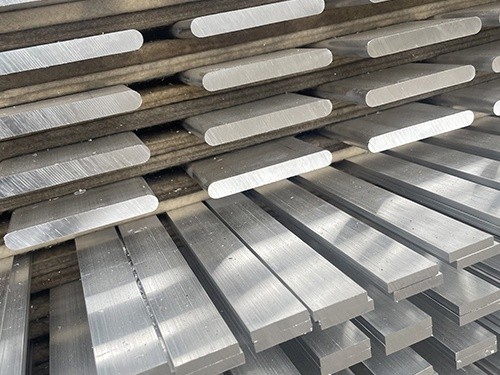
Can related aluminum components improve the same cost logic?
Yes. Busbar projects often connect with structural frames, housings, supports, or modular assemblies.
In those cases, lightweight fabricated parts can extend the same cost-saving strategy.
For example, Aaluminum tube can be used in frames, supports, guards, racks, or equipment housings.
Because it is easy to cut, drill, bend, and machine, it can simplify fabrication and transport.
Anodized or electrophoretic finishes also help maintain appearance and corrosion resistance in moderate indoor or outdoor use.
What is the smartest next step before switching to conductive aluminum busbar?
Start with a lifecycle review, not a unit-price comparison.
- Map current maintenance frequency
- Check logistics and installation hours
- Review current-carrying and thermal requirements
- Compare corrosion exposure and expected service life
- Request customized processing tolerances in advance
A conductive aluminum busbar makes the most sense when performance, fabrication, and long-term reliability are evaluated together.
That is usually where real cost reduction becomes visible.
Navigation
Send Us A Message
Professional field of aluminum bars
24/7 before-sales and after-sales services
Comprehensive technical support