
How to Prevent Bending and Scratches in Aluminum Flat Bar
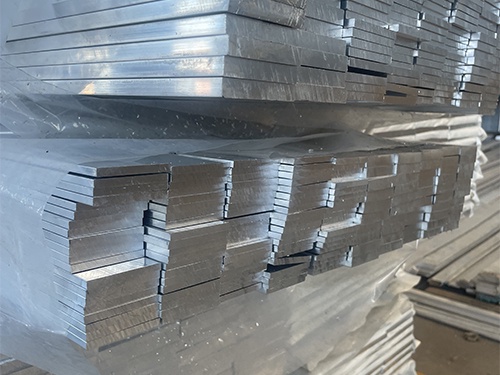
Why bending and scratches happen in real use
Preventing damage in Aluminum Flat Bar starts long before installation. In daily maintenance work, shape stability and surface condition affect fit, conductivity, appearance, and replacement frequency.
The reason standards vary is simple. A short bar in cabinet assembly behaves differently from a long bar used in transport frames or support structures.
In practice, Aluminum Flat Bar is often damaged during stacking, lifting, cutting, or rework. The material itself may meet specification, yet handling methods create the problem.
Different sites change the judgment priorities
Indoor equipment rooms usually focus on clean surfaces and precise alignment. Rail transit, new energy, and construction projects pay more attention to transport vibration, span length, and repeated fastening.
This is where experienced suppliers matter. Shandong Jinhao Aluminum keeps full-process quality control, from raw material selection to extrusion and inspection, which helps reduce hidden defects before the bar reaches site use.
Where prevention methods should change
Storage and internal movement
For stored Aluminum Flat Bar, the common mistake is stacking by convenience. Long bars need continuous support. Short bars still need soft separation to prevent friction at the contact lines.
When moved between stations, never slide bars across steel tables. Use rubber pads, suspended lifting belts, or covered rollers to avoid surface scoring.
Installation in power and equipment systems
In busbar layouts or cabinet interconnection, flatness matters because poor alignment increases stress near bolted points. A related option is Aluminum row, often considered where conductivity, lower weight, and structural adaptability must work together.
For 1060 / 1070, conductivity is a priority. For 6063 or 6061-T6, deformation resistance may be more important in support or assembly sections.
Mistakes that look small but create repeat damage
- Checking alloy grade only, while ignoring span, load, and fixing method.
- Using clean packaging for delivery, but removing protection too early on site.
- Treating indoor electronics and outdoor rail projects as if they need the same surface protection.
- Focusing on purchase cost, while overlooking rework, replacement, and downtime.
A practical way to reduce future replacement
A reliable Aluminum Flat Bar plan usually combines three checks: actual loading condition, contact risk during movement, and installation tolerance after cutting or drilling.
If the application also involves heat dissipation, grounding layouts, or corrosive exposure, compare alloy choice, support interval, and protective measures together instead of separately.
The next useful step is to map each use point, confirm the highest-risk handling stage, and set a simple on-site standard for storage, transport, fastening, and inspection.
Navigation
Send Us A Message
Professional field of aluminum bars
24/7 before-sales and after-sales services
Comprehensive technical support