
How to Evaluate Chinese 6101 Aluminum Busbar Suppliers for Export Projects
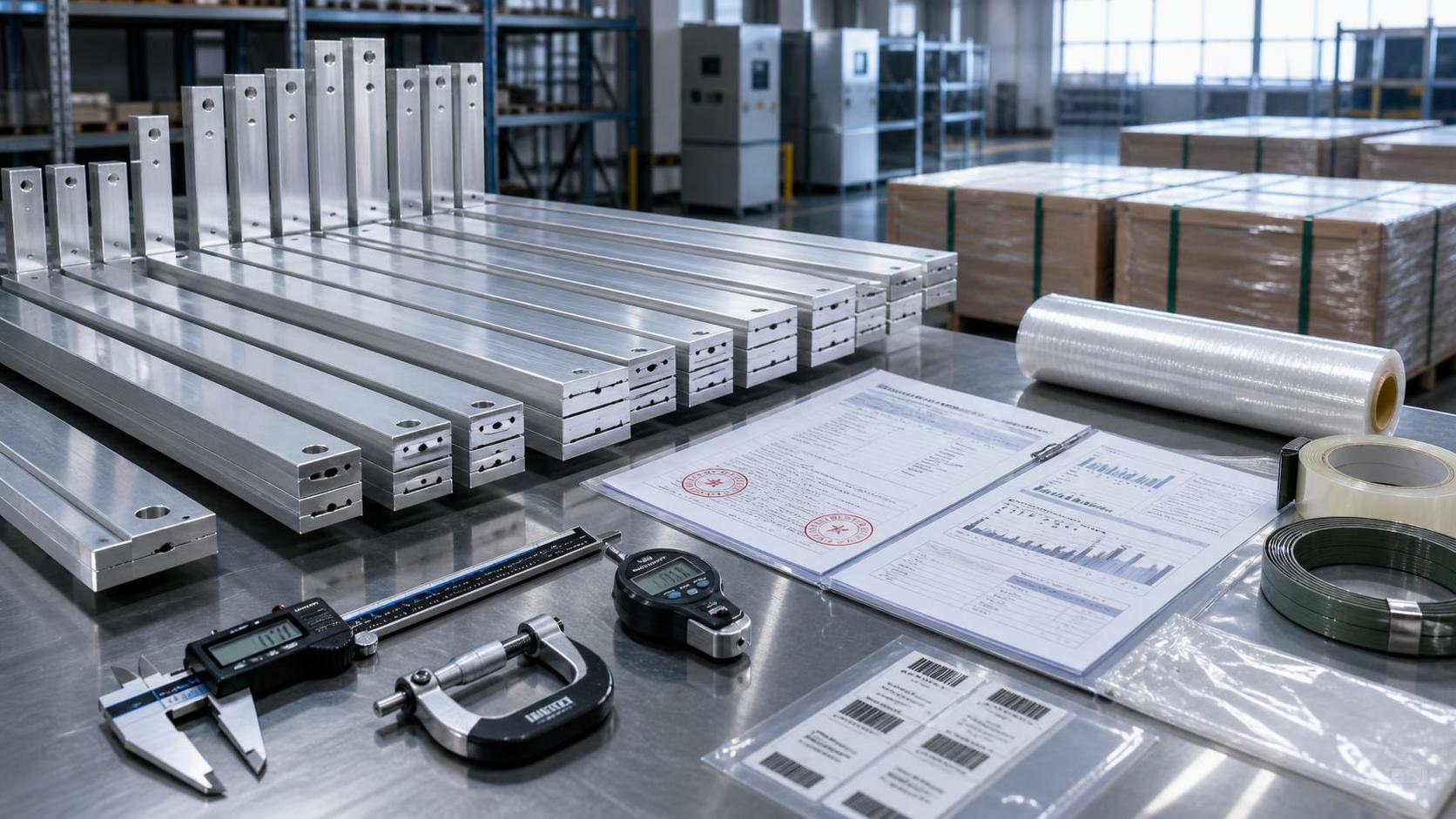
Selecting the right Chinese 6101 aluminum busbar supplier is fundamentally a risk-control task. For export projects, the best supplier is not simply the one offering the lowest quote, but the one that can consistently deliver qualified material, stable lead times, traceable quality records, and responsive support across borders.
For business evaluators, this means looking beyond brochure claims. You need to verify production capability, alloy control, compliance discipline, customization strength, export readiness, and communication efficiency before approving a supplier for long-term cooperation.
What Is the Real Search Intent Behind Evaluating a Chinese 6101 Aluminum Busbar Supplier?
When buyers search for a Chinese 6101 aluminum busbar supplier, they are usually not looking for basic product definitions. They want a practical framework to judge whether a supplier is commercially reliable and technically suitable for export business.
The core concern is simple: can this supplier support project quality, delivery, and downstream performance without creating hidden procurement risk? That is especially important in power systems, rail transit, new energy, and industrial electrical applications.
Start With Manufacturing Strength, Not Just Sales Claims
A dependable supplier should have clear evidence of real manufacturing capability. This includes stable raw material sourcing, controlled smelting and casting, precision extrusion, machining capacity, and a documented inspection process that can support repeatable production quality.
For 6101 aluminum busbars, production discipline matters because conductivity, dimensional accuracy, mechanical performance, and surface condition all affect final application value. A supplier with integrated production and deep-processing capability is usually better positioned to control consistency than a trading-only intermediary.
Shandong Jinhao Aluminum, for example, operates with a full-process approach covering R&D, production, sales, and after-sales support. For evaluators, this kind of structure often reduces communication gaps and improves accountability across custom export orders.
Check Quality Control Through Documents and Process Evidence
Quality claims should always be validated with evidence. Ask for inspection standards, raw material records, chemical composition reports, mechanical property reports, dimensional tolerances, and surface inspection procedures. If available, request batch traceability examples from previous export orders.
A serious supplier should also explain how nonconforming material is handled. Corrective action procedures, reinspection rules, and internal quality checkpoints are often more revealing than a simple certificate list. These details show whether the company manages quality systematically or only reacts when problems appear.
In some projects, buyers also compare alternative conductor materials and forms for related applications. Products such as Pure aluminum busbar are often reviewed where high conductivity, light weight, corrosion resistance, and processing flexibility are key evaluation points.
Verify Export Compliance and International Service Capability
For international projects, export readiness is as important as manufacturing quality. A qualified supplier should understand packing protection, shipping documentation, labeling requirements, lead-time commitment, and communication needs for overseas customers.
Business evaluators should confirm whether the supplier can provide technical data sheets, commercial invoices, packing lists, test reports, and customized documentation in a timely manner. Delays in paperwork can disrupt customs clearance and create avoidable project costs.
It is also useful to examine whether the supplier has experience serving industries such as automated production lines, electronic appliances, new energy systems, and rail transit. Export experience in demanding sectors usually indicates stronger process maturity and customer coordination ability.
Assess Customization Capability and Application Fit
Not every export project requires a standard busbar specification. Many buyers need customized dimensions, machining, finishing, packaging, or special delivery arrangements. A suitable supplier should be able to respond clearly to drawings, tolerances, and application-specific requirements.
This is where engineering support becomes a real differentiator. Suppliers that can assist with model selection, processing suggestions, and manufacturability review can help reduce errors before mass production begins. That has direct value for procurement efficiency and total project cost control.
In broader aluminum conductor sourcing, some buyers also assess options including 1060, 1070, 6063, or 6061-T6 for applications such as power distribution, building systems, metallurgy, refrigeration, and industrial control. This wider product understanding helps evaluators judge whether a supplier can support future category expansion.
Review Commercial Reliability Before Final Approval
Even technically capable suppliers can become weak partners if commercial execution is poor. Review quotation clarity, response speed, sample lead time, payment terms, order follow-up discipline, and willingness to address claims after shipment.
It is wise to ask direct questions: What is the normal production cycle? How are urgent orders handled? What happens if dimensions fail inspection after arrival? Can the supplier support recurring schedules for multi-batch export projects? The answers often reveal more than polished presentations.
A supplier with stable quality and a professional service team is usually better equipped for long-cycle cooperation. This matters because business evaluators are not only buying material, but also reducing the future cost of delays, disputes, and inconsistent product performance.
How to Make the Final Judgment
The best Chinese 6101 aluminum busbar supplier for export projects is one that combines technical control, compliance awareness, customization capability, and reliable international service. A balanced evaluation should consider both factory strength and execution discipline.
In practice, the strongest candidates are those that can prove process control, provide transparent quality records, respond effectively to application needs, and support customers from product consultation through logistics and after-sales follow-up. That is the standard business evaluators should use.
If you are comparing suppliers, focus your decision on evidence, not promises. A partner with consistent production, standardized quality management, and export coordination capability will usually create better long-term value than one competing only on price.
Navigation
Send Us A Message
Professional field of aluminum bars
24/7 before-sales and after-sales services
Comprehensive technical support