
How to Choose the Right Transformer Aluminum Busbar
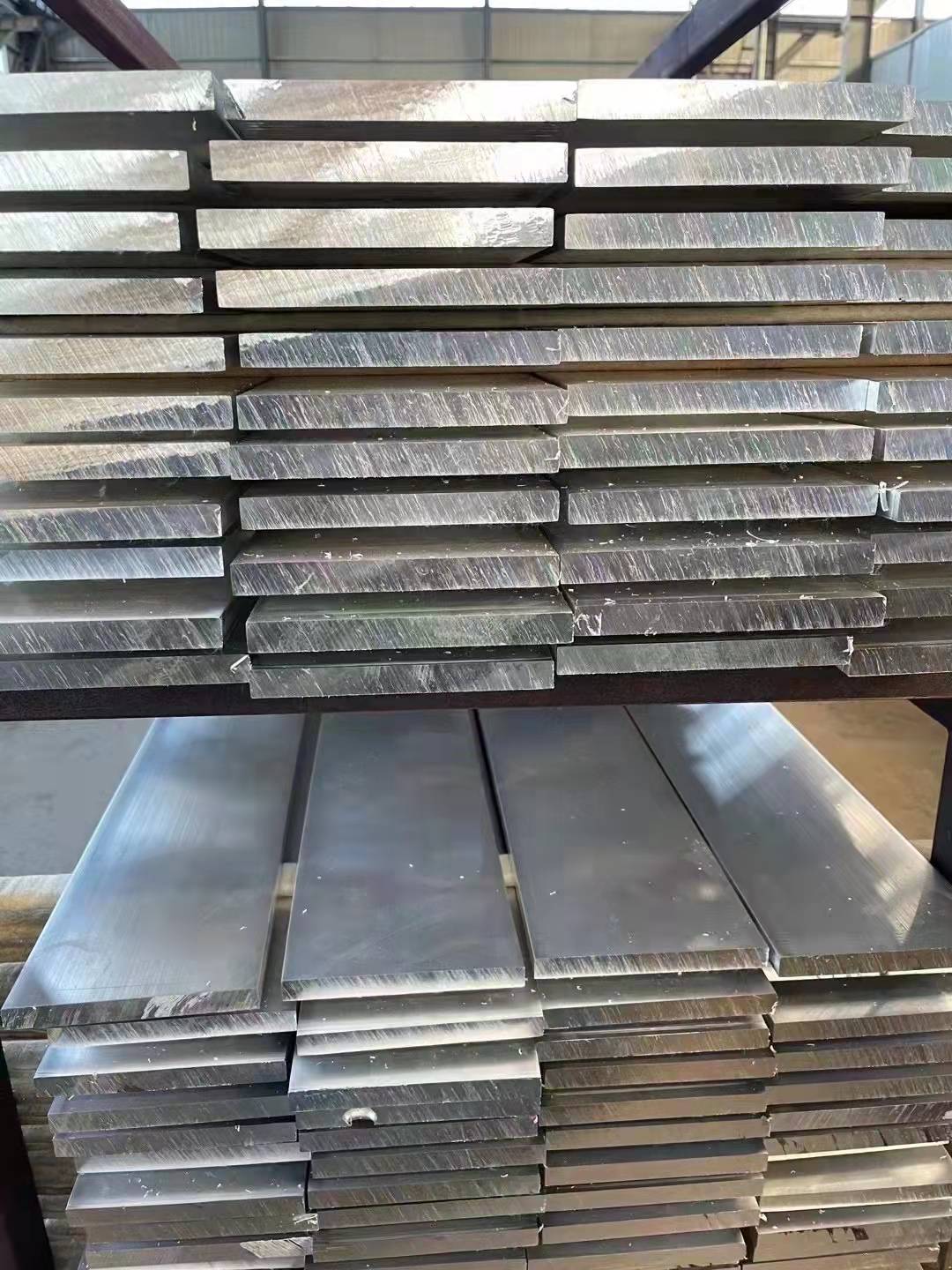
How to Choose the Right Transformer Aluminum Busbar
Choosing the right Transformer aluminum busbar affects conductivity, heat control, installation speed, and long-term reliability.
The best choice is rarely the cheapest one. It must fit the transformer design, load profile, and service environment.
A practical evaluation should focus on material quality, dimensional consistency, surface condition, and supplier customization ability.
Start with Electrical and Thermal Performance
A Transformer aluminum busbar must carry current efficiently without creating excessive temperature rise.
Check conductivity first, then compare cross-sectional design, joint layout, and expected operating temperature.
If the busbar runs hot under normal load, insulation aging and system losses usually increase.
- Confirm rated current and overload conditions.
- Review heat dissipation space inside the transformer.
- Match alloy performance with electrical demands.
Check Alloy, Dimensions, and Surface Quality
Not every Transformer aluminum busbar performs the same in fabrication or long-term service.
The alloy should support a stable balance between strength, corrosion resistance, and forming behavior.
Dimensional accuracy matters because poor flatness or thickness variation can weaken connections and slow assembly.
Surface treatment also matters. A clean, controlled finish improves contact quality and helps reduce oxidation risk.
Evaluate Manufacturing Capability
Supplier capability often determines whether a Transformer aluminum busbar stays consistent across repeat orders.
Shandong Jinhao Aluminum combines extrusion, smelting, casting, inspection, and after-sales service in one workflow.
That matters in real projects because traceable production and standardized inspection reduce quality uncertainty.
Their processing background also supports related material selection, including Aluminum rod for machining and fabrication needs.
Ask the Right Selection Questions
- Does the Transformer aluminum busbar meet current, voltage, and thermal targets?
- Can the supplier hold tight tolerances on thickness, width, and length?
- Is the surface prepared for reliable joining and corrosion control?
- Can custom shapes, holes, bends, or secondary processing be delivered on schedule?
- Are material certifications and inspection records available?
Make the Final Decision with Application Fit
A good Transformer aluminum busbar is the one that fits the actual transformer, not just the drawing.
Look at operating load, ambient conditions, connection design, and future maintenance needs together.
If you need broader alloy options, products like Aluminum rod in 6061, 3102, and 5050 also show how alloy choice affects processing response.
The smartest next step is to request samples, verify tolerances, and compare customization support before confirming your Transformer aluminum busbar supplier.
Navigation
Send Us A Message
Professional field of aluminum bars
24/7 before-sales and after-sales services
Comprehensive technical support