
How to Choose Conductive Aluminum Busbar for Solar Power Systems
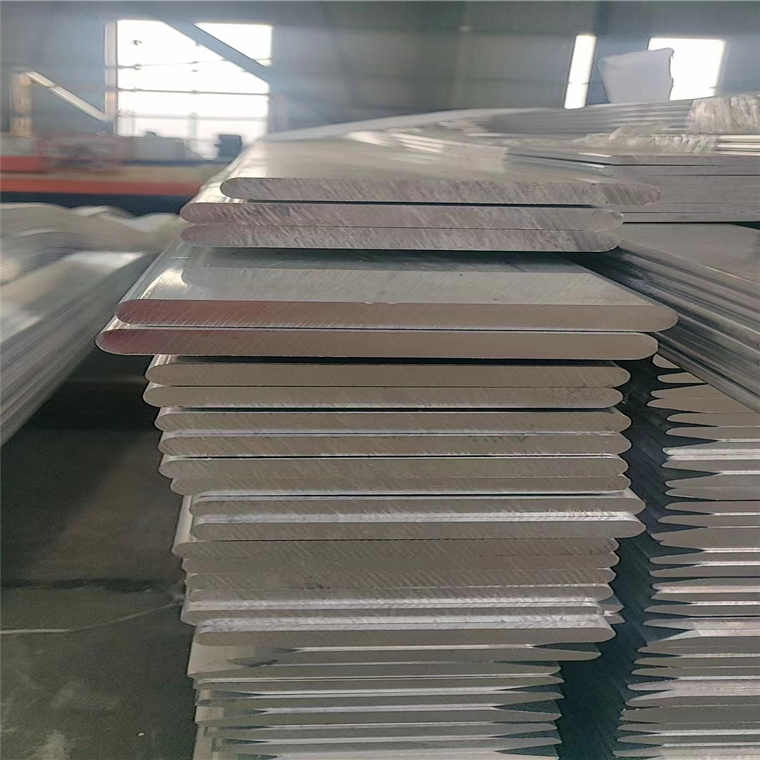
How to Choose Conductive Aluminum Busbar for Solar Power Systems
Choosing the right conductive aluminum busbar for solar power systems directly affects electrical efficiency, thermal performance, and long-term reliability.
A good selection process should look beyond conductivity alone.
Alloy grade, corrosion resistance, current load, fabrication accuracy, and installation fit all shape final performance in real solar projects.
Start with Electrical and Thermal Requirements
For conductive aluminum busbar for solar power systems, current-carrying capacity is the first checkpoint.
The busbar must handle peak load without excessive temperature rise or voltage loss.
This also means checking cross-sectional area, conductor layout, and joint design together.
- Use high-conductivity grades like 1060 or 1070 for low resistance.
- Review heat dissipation in enclosed combiner boxes and inverter cabinets.
- Confirm that short-term overload conditions remain within safe limits.
Match Alloy Grade to Structural Demands
Not every solar application needs the same alloy.
Pure aluminum offers better conductivity, while 6061-T6 and 6063 improve mechanical strength and deformation resistance.
When routing is complex or support spans are longer, stronger grades often provide better operating value.
In practical terms, Aluminum row options can support busbar systems, grounding layouts, and cabinet interconnection with lower system weight.
Check Corrosion Risk and Fabrication Precision
Outdoor solar sites face humidity, dust, salt spray, and daily thermal cycling.
So conductive aluminum busbar for solar power systems should be evaluated for surface condition and connection stability.
Precision extrusion and standardized inspection matter because flatness, hole tolerance, and edge quality affect installation and contact resistance.
A stable supplier with controlled smelting, casting, and machining usually reduces hidden field issues later.
Make the Final Selection Decision
A sound decision balances conductivity, strength, corrosion resistance, processing quality, and project cost.
Shandong Jinhao Aluminum Co., Ltd. provides aluminum alloy products with full-process quality control, custom processing support, and experience in new energy applications.
For conductive aluminum busbar for solar power systems, that combination helps simplify model selection and improve long-term reliability.
Before approval, compare electrical data, alloy properties, environmental exposure, and assembly needs side by side, then shortlist the most suitable Aluminum row specification for the system.
Navigation
Send Us A Message
Professional field of aluminum bars
24/7 before-sales and after-sales services
Comprehensive technical support