
How to Choose Coiled Aluminum Busbar for Compact Power Systems
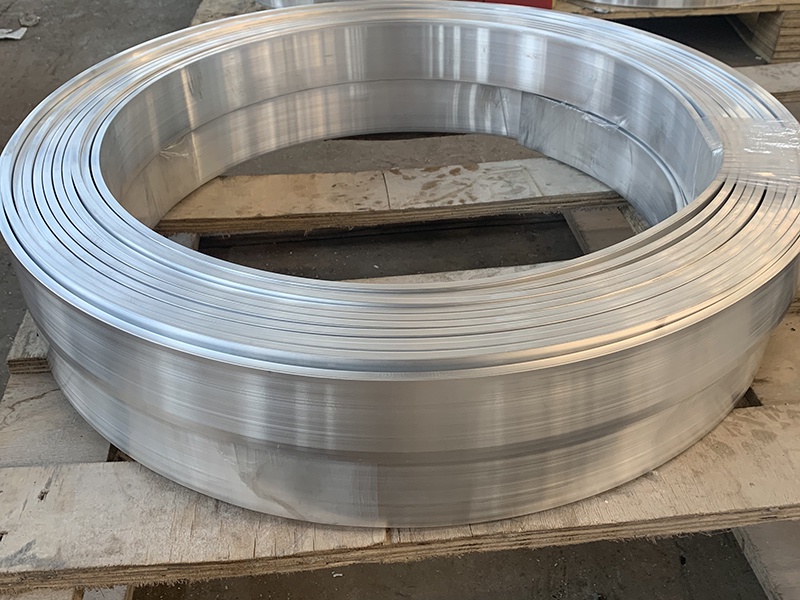
Choosing a Coiled aluminum busbar for compact power systems is not only about fitting conductors into limited space. Electrical stability, heat dissipation, dimensional accuracy, and forming quality all influence long-term reliability in power distribution, energy storage, rail transit, and new energy assemblies. When layouts become denser, a poor material choice can create voltage loss, local overheating, or difficult installation during final integration.
What matters in compact system design
A Coiled aluminum busbar is valued because aluminum combines low weight with strong conductivity and good corrosion resistance. In compact cabinets or modules, that balance helps reduce structural load while maintaining stable current transfer.
More attention is now placed on thermal behavior. Good thermal conductivity supports temperature management, especially where busbars run near converters, battery packs, or enclosed industrial control electronics.
Material grade and processing fit
Material selection should follow the actual duty of the assembly. Pure aluminum grades such as 1060 or 1070 are often preferred for very high conductivity. 6063 offers moderate hardness and processing adaptability, while 6061-T6 suits applications needing higher strength and stronger resistance to deformation.
This is where manufacturing capability becomes a practical filter. Shandong Jinhao Aluminum combines extrusion, smelting, casting, and standardized inspection, which helps control profile retention, machining stability, and compliance with industrial specifications.
Key checks before approval
- Confirm current load, temperature rise limits, and installation space together.
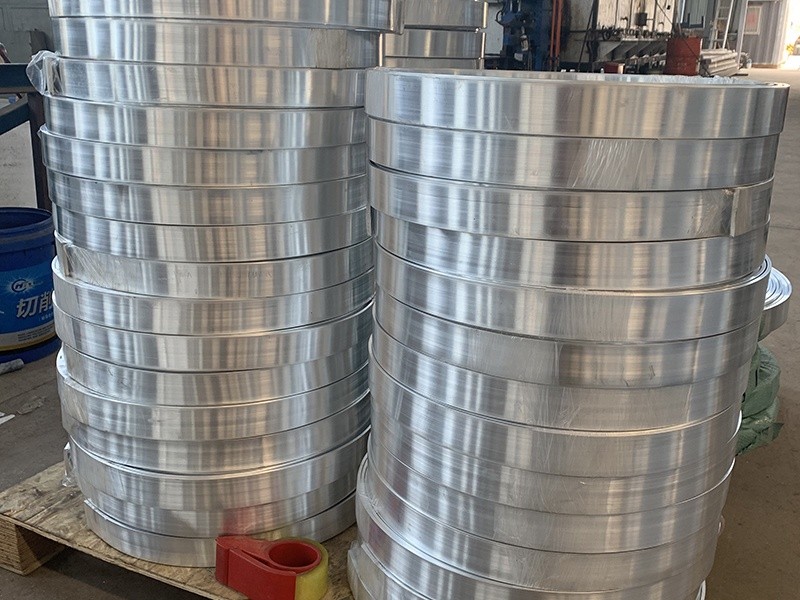
- Review coil consistency, thickness tolerance, and edge quality.
- Match alloy choice to bending needs, vibration exposure, and fastening method.
- Check corrosion resistance for cold storage, buildings, or chemical environments.
- Ask whether customized deep processing can shorten assembly time.
Application-driven comparison
For photovoltaic systems, wind power, and energy storage, weight reduction and dependable electrical conduction usually matter as much as cost control. In rail and industrial equipment, anti-deformation performance and easier installation often become equally important.
A useful reference is Conductive aluminum busbar, which reflects how different alloys can be aligned with stable current flow, corrosion resistance, and practical fabrication requirements.
A practical way to move forward
The best Coiled aluminum busbar is the one that matches electrical demand, forming difficulty, and operating environment at the same time. Start by defining current rating, space envelope, and service conditions, then compare alloy grade, tolerance control, and customization support. That approach makes final selection clearer and lowers integration risk before production begins.
Navigation
Send Us A Message
Professional field of aluminum bars
24/7 before-sales and after-sales services
Comprehensive technical support