
How to Choose 1070 Aluminum Busbar for High-Current Systems
How to Choose 1070 Aluminum Busbar for High-Current Systems
Choosing the right 1070 aluminum busbar for high-current systems requires more than checking conductivity alone.
You also need to review ampacity, strength, tolerance, surface condition, and long-term reliability under real operating loads.
A solid selection process helps reduce heat rise, installation risk, and avoidable lifecycle cost.
Start with Electrical Performance
The main reason to use a 1070 aluminum busbar is its high conductivity.
But conductivity alone does not define suitability for high-current systems.
Check current density, expected temperature rise, and duty cycle together.
- Rated current under continuous load
- Acceptable operating temperature
- Ventilation and enclosure conditions
- Short-time overload requirements
In compact cabinets, thermal buildup becomes a more obvious selection signal.
Verify Size, Tolerance, and Joint Design
A 1070 aluminum busbar must fit the connection layout without forcing assembly adjustments.
Pay close attention to width, thickness, straightness, and hole accuracy.
Poor dimensional control often increases contact resistance at joints.
This is especially important in busbar systems, cabinet interconnection, and grounding layouts.
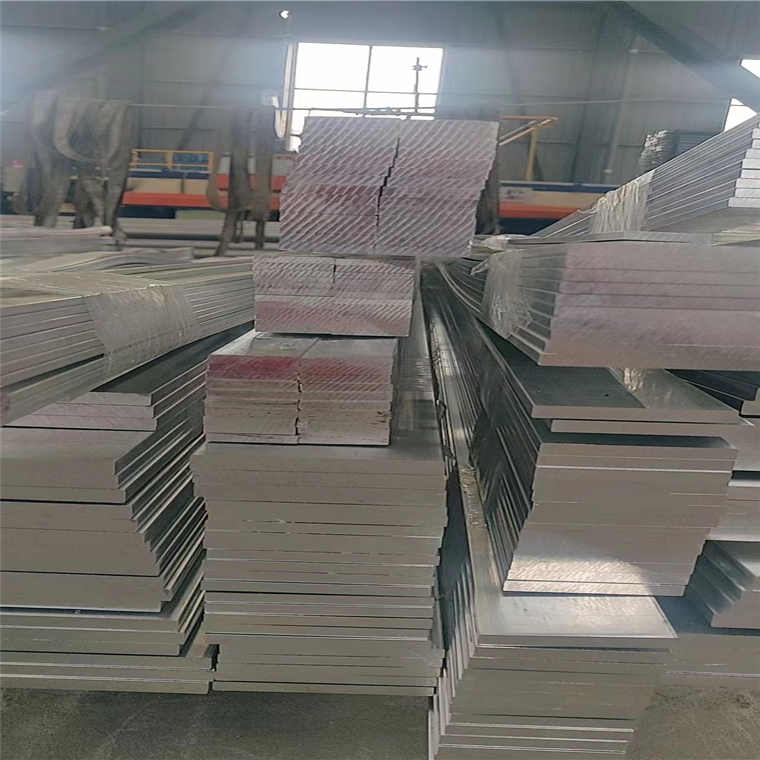
For projects needing flat conductor arrangements, Aluminum row options are often reviewed for stable conductivity and adaptable fabrication.
Balance Conductivity with Mechanical Reliability
Pure aluminum grades offer strong conductivity, but structural loads still matter.
The selected 1070 aluminum busbar should resist deformation during handling, bending, and fastening.
Where vibration or support span is higher, compare pure grades with stronger alternatives.
In practice, 1060 and 1070 are common for power distribution and industrial electronics.
6061-T6 or 6063 may be considered when extra rigidity is needed.
Check Surface Quality and Service Environment
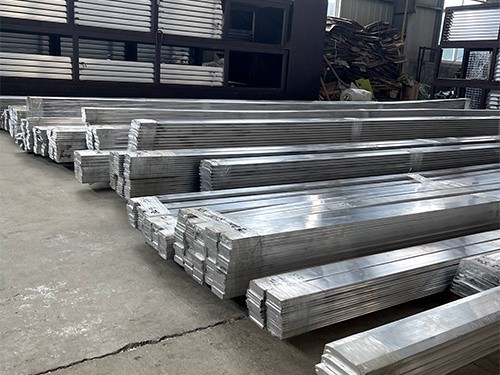
Surface finish directly affects contact quality and long-term stability.
Look for clean surfaces, controlled oxidation, and consistent edges.
For indoor and outdoor use, corrosion resistance should match the installation environment.
This matters in new energy, rail transit, cold storage, and metallurgy applications.
Good thermal conductivity also supports heat dissipation and system stability over time.
Review Supplier Capability Before Final Selection
A reliable 1070 aluminum busbar is not only about alloy composition.
It also depends on production control, inspection discipline, and customization support.
Shandong Jinhao Aluminum Co., Ltd. combines R&D, production, sales, and after-sales service for aluminum alloy products.
Its process capabilities include precision extrusion, smelting, casting, and standardized quality inspection.
That makes supplier comparison easier when your project needs both standard sections and custom deep-processing support.
A Practical Selection Path
To choose a 1070 aluminum busbar well, start with current load and temperature limits.
Then confirm dimensions, joint quality, mechanical demands, and environmental exposure.
Finally, verify the supplier can deliver traceable quality and consistent processing.
That approach gives you a 1070 aluminum busbar decision grounded in performance, compliance, and project cost control.
Navigation
Send Us A Message
Professional field of aluminum bars
24/7 before-sales and after-sales services
Comprehensive technical support