
How conductive aluminum busbar improves solar system output
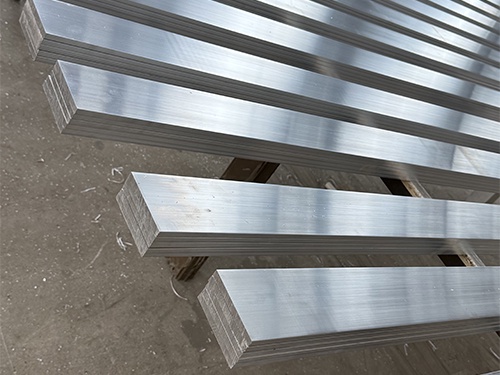
For higher-efficiency photovoltaic projects, Conductive aluminum busbar for solar power systems helps reduce resistive loss, stabilize current flow, and support durable installation performance. Its low weight, practical conductivity, and corrosion resistance make it a strong option for industrial and commercial arrays where output consistency matters over long operating cycles.
Why Conductive Aluminum Busbar Matters in Solar Power Systems
Solar output does not depend only on panel efficiency. Power collection, transmission distance, thermal behavior, and connector reliability also influence delivered energy. That is why Conductive aluminum busbar for solar power systems deserves careful evaluation during design and retrofit planning.
In many installations, current must move through combiner sections, inverter interfaces, distribution cabinets, and grounding paths. If the conductor design is inefficient, voltage drop rises, heat accumulates, and long-term reliability declines. Aluminum busbars solve many of these issues when material grade, geometry, and surface quality are selected correctly.
Compared with bulkier cable arrangements, busbars can improve routing clarity, increase connection consistency, and reduce unnecessary conductor mass. For large solar fields and rooftop systems alike, Conductive aluminum busbar for solar power systems supports cleaner power distribution architecture and easier maintenance access.
Checklist for Improving Solar System Output with Aluminum Busbars
Use the following checklist to judge whether a busbar solution will improve output rather than create hidden electrical or installation problems.
- Verify conductivity first. Match busbar grade to current demand, ambient temperature, and cable transition points so the conductor does not become a bottleneck during peak solar generation hours.
- Check cross-sectional sizing carefully. Undersized busbars increase resistance and operating temperature, while oversized sections may raise cost without proportional gains in system efficiency or layout value.
- Review joint design and contact pressure. Stable electrical contact at bolted or clamped points is essential for limiting micro-heating, oxidation risk, and intermittent output loss.
- Confirm corrosion resistance for the site. Coastal humidity, fertilizer exposure, dust, and rooftop runoff can affect conductor surfaces and shorten service life if treatment is inadequate.
- Assess thermal performance under load. Good heat dissipation helps maintain conductivity and lowers stress on nearby components inside combiner boxes, switch cabinets, and inverter rooms.
- Optimize routing geometry. Compact bends, clean spacing, and proper support reduce mechanical stress, simplify enclosure design, and improve service access during inspections or expansion work.
- Inspect material consistency. Variations in alloy quality, forming accuracy, and surface finish can affect resistance, connection reliability, and installation repeatability across larger solar projects.
- Coordinate grounding and protection strategy. A busbar should integrate with bonding, fault current paths, and protection devices instead of functioning as an isolated conductor choice.
Key Performance Factors Behind Better Energy Delivery
Lower resistance means less wasted power
Every connection and conductor path affects net system output. Conductive aluminum busbar for solar power systems can reduce electrical loss when its alloy, section thickness, and path length are matched to actual operating current.
This becomes especially important in high-current DC collection and AC distribution sections. Reduced resistance supports higher delivered power, more stable inverter input, and better efficiency over the whole generation cycle.
Thermal control protects long-term reliability
Heat is a silent output reducer. Poor conductor selection causes temperature rise, which accelerates insulation aging, loosens joints, and increases loss. Aluminum busbars with good thermal conductivity help move heat away from loaded contact areas.
A well-designed busbar also creates predictable thermal behavior inside control cabinets. This helps preserve switchgear performance and reduces shutdown risk during high irradiance periods.
Weight reduction improves structural efficiency
Lightweight conductor systems matter in rooftop arrays, modular energy rooms, and transport-sensitive installations. Conductive aluminum busbar for solar power systems lowers total system weight while preserving useful electrical performance.
That lighter profile can simplify support structures, shorten handling time, and improve installation speed without sacrificing routing precision.
Application Notes Across Different Solar Scenarios
Commercial rooftop systems
On commercial rooftops, limited space often makes conductor organization difficult. Busbars help create compact current paths between combiner equipment, inverters, and distribution points while supporting neat enclosure layouts.
In these projects, right-angle designs can be useful where enclosure corners and directional changes must remain compact. In such cases, Right-angle aluminum busbar can support cleaner routing and lower overall conductor clutter.
Ground-mounted solar farms
Larger solar farms need dependable power collection and repeatable installation quality. Conductive aluminum busbar for solar power systems fits centralized distribution and energy transfer points where multiple strings converge.
Material consistency and corrosion resistance matter more in exposed environments. Grades such as 1060/1070 provide very high conductivity, while structural grades like 6061-T6 or 6063 can add strength where mechanical integration also matters.
Energy storage and hybrid new energy systems
Hybrid projects link solar generation with storage, distribution, and control electronics. These systems need conductors that can handle current carrying, grounding use, and heat management in compact electrical spaces.
For these applications, balanced hardness, better deformation resistance, and good thermal conductivity help maintain electrical transmission stability during repeated charge and discharge cycles.
Commonly Overlooked Risks
Ignore contact surface preparation, and even a high-quality conductor may underperform. Oxidized or contaminated interfaces increase resistance and create localized heating at critical joints.
Overlook expansion and vibration, and fastening points may loosen over time. This is relevant in rooftop systems, rail-linked infrastructure, and industrial energy environments with mechanical movement.
Choose grade by price alone, and total lifecycle value may drop. Pure aluminum options support very high conductivity, while structural grades may be better where strength and forming quality are also required.
Treat the busbar as only a conductor, and integration opportunities may be missed. In many projects, it also supports compact routing, structural organization, and more efficient enclosure design.
Practical Execution Steps
- Map current paths from PV strings to inverters and downstream distribution equipment.
- Calculate current load, allowable temperature rise, and acceptable voltage drop.
- Select alloy grade based on conductivity, strength, corrosion exposure, and forming needs.
- Review bend requirements, especially where right-angle routing saves space inside cabinets.
- Specify surface quality, joint hardware, and inspection standards before production starts.
- Test sample assemblies under expected thermal and electrical loads before full deployment.
A capable supplier also matters. Shandong Jinhao Aluminum Co., Ltd. combines aluminum product R&D, production, sales, and after-sales support, with standardized process control and broad experience in industrial profiles, bars, rods, and customized deep-processing solutions.
Its manufacturing strengths in precision extrusion, smelting, casting, and inspection support applications across new energy, power distribution, industrial systems, transportation rail, refrigeration, and building infrastructure. That background is valuable when a solar project needs dependable supply and application-fit aluminum components.
Conclusion and Next Step
Conductive aluminum busbar for solar power systems improves output by cutting loss, supporting heat control, simplifying routing, and strengthening long-term electrical reliability. The biggest gains come from correct grade selection, accurate sizing, sound joint design, and proper environmental matching.
If a project requires compact layouts, efficient power transfer, and lightweight conductor integration, review conductor paths and enclosure constraints early. A targeted evaluation of busbar geometry, including options such as Right-angle aluminum busbar, can reveal practical efficiency gains before installation begins.
Navigation
Send Us A Message
Professional field of aluminum bars
24/7 before-sales and after-sales services
Comprehensive technical support