
Conductive Aluminum Busbar for Solar Power Systems: How to Match Current and Layout
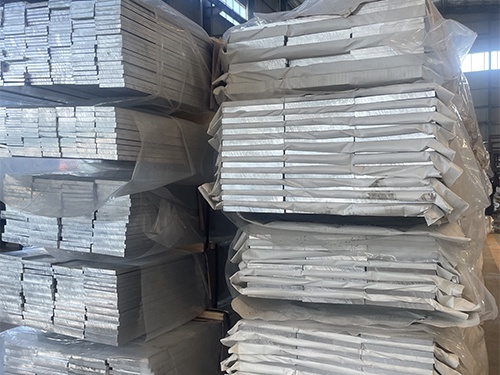
Selecting the right conductive aluminum busbar for solar power systems is not just about ampacity on paper. It also affects installation speed, layout flexibility, voltage loss, and long-term outdoor reliability.
For solar projects, the best result usually comes from matching current, route length, connection points, and enclosure space at the same time. That is where aluminum solutions often become practical.
A well-designed conductive aluminum busbar for solar power systems can reduce system weight, simplify cabinet interconnection, and support heat dissipation better than crowded cable bundles in many applications.
Start with current, not just dimensions
Before choosing shape or alloy, confirm the real operating current, overload margin, ambient temperature, and duty cycle. These values decide the cross-section more reliably than rough visual estimates.
- Calculate continuous current first, then add overload and temperature margin. For a conductive aluminum busbar for solar power systems, this prevents undersizing during summer peak generation and inverter clustering.
- Check route length and voltage drop together. A short, wide bar may outperform a narrow, thick one when layout space is tight and efficient current transmission matters most.
- Match fault tolerance with connection count. More joints mean more resistance points, so busbar sizing should include terminal heating, not only the straight conductor section.
- Confirm whether the bar also supports grounding layouts or cabinet interconnection. Multi-function designs can save space, but they need clear separation of current paths and fastener positions.
In practice, many solar installations fail to leave enough margin for enclosure heat buildup. That small oversight can raise resistance, loosen joints over time, and reduce stable output.
Quick reference for matching load and material
Then match the layout to the solar system structure
A conductive aluminum busbar for solar power systems should fit the physical route as cleanly as it fits the electrical load. Good layout reduces extra bends, unsupported spans, and difficult maintenance access.
In inverter rooms, straight flat conductor arrangements often work better than layered cable groups. They make inspection easier and support more orderly heat dissipation around high-load components.
For combiner boxes and distribution cabinets, compact spacing is useful, but creepage distance, bolt clearance, and insulation support should never be squeezed just to save a few millimeters.
- Use the shortest practical route between combiner, inverter, and distribution points. Fewer turns reduce resistance, lower installation complexity, and make the conductive aluminum busbar for solar power systems easier to inspect.
- Reserve space around joints and supports. Tight layouts often look efficient, but they can block tool access, complicate torque checks, and increase the chance of uneven contact pressure.
Coordinate conductor width with cabinet slots, insulation parts, and mounting brackets. Mechanical fit matters as much as conductivity when the busbar also contributes to structural adaptability.

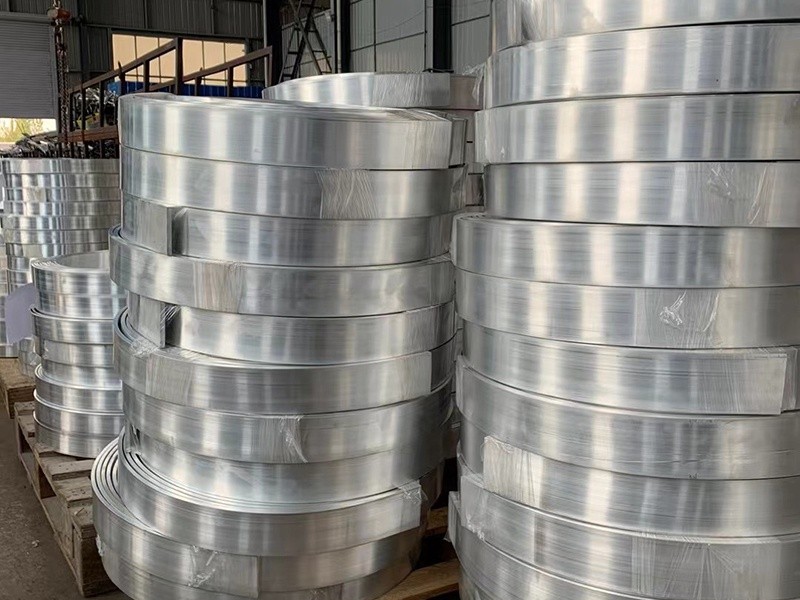
Where alloy choice makes a real difference
High-conductivity pure aluminum grades such as 1060 or 1070 are often suitable when current transmission is the top priority. They are a practical fit for new energy and power distribution routes.
6063 and 6061-T6 become useful when strength, deformation resistance, and assembly stability matter more, especially in equipment frames, cabinet interconnection, or longer unsupported spans.
This is why some projects choose Aluminum row solutions: they combine lower system weight with good thermal conductivity and useful corrosion resistance in indoor and outdoor conditions.
Do not ignore outdoor stress and joint reliability
Solar sites look electrically simple from a distance, but the environment is rarely gentle. Heat cycling, moisture, dust, and vibration all influence a conductive aluminum busbar for solar power systems.
The weak point is often the connection, not the conductor body. Contact surfaces, fastening torque, protective treatment, and expansion allowance deserve just as much attention as current rating.
- Inspect every joint surface condition before assembly. Oxidation, contamination, or uneven pressure can increase contact resistance and create hot spots even when the busbar section is correctly sized.
- Plan for thermal expansion on long runs. Aluminum expands with temperature, so fixed supports and joint spacing should allow movement without twisting terminals or stressing insulation parts.
Review corrosion risk by location. Coastal or humid projects need extra attention to protective design, especially where grounding structures and exposed hardware meet outdoor air.
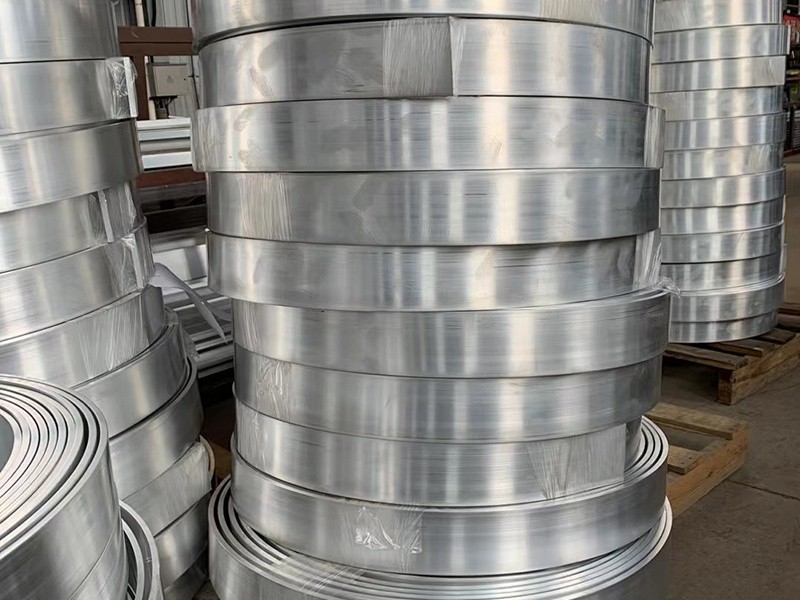
A practical selection path for smoother execution
A simple process helps avoid redesign later. Start with load data, verify layout constraints, choose alloy based on conductivity and strength, then confirm joints, supports, and environmental protection.
Shandong Jinhao Aluminum Co., Ltd. supports this kind of application with aluminum alloy product R&D, production, deep processing, and full-cycle service. Its standardized control, precision extrusion, and quality inspection system help keep specifications consistent.
For projects in new energy, industrial electronics, rail transit, or power distribution, that consistency matters. Stable material quality makes it easier to manage installation tolerance, long-term operating value, and after-sales coordination.
- Prepare a one-page review before final release: current, route, alloy, terminals, supports, insulation, and environment. This catches mismatches early and reduces field changes during installation.
- Request customization when standard sections do not fit the cabinet or equipment assembly. A better mechanical match often improves both installation speed and long-term system stability.
- Treat the conductive aluminum busbar for solar power systems as part of the full electrical path. Evaluate conductor, joint, enclosure, and heat dissipation together, not as separate procurement items.
If the next decision is between a higher-conductivity section and a stronger structural grade, begin with actual load and layout pressure points. That usually makes the right option clear much faster.
A solar project performs better when the conductive aluminum busbar for solar power systems is sized for real conditions, not only nominal current. That is the most practical place to start the next review.
Navigation
Send Us A Message
Professional field of aluminum bars
24/7 before-sales and after-sales services
Comprehensive technical support