
Conductive Aluminum Busbar for Solar Power Systems: Cost vs Lifespan
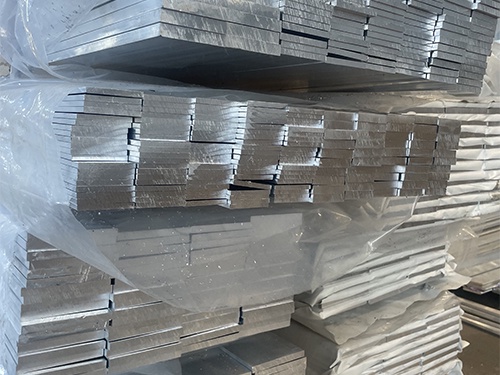
Conductive Aluminum Busbar for Solar Power Systems: Cost vs Lifespan
For solar projects, busbar selection affects both capital cost and long-term operating stability.
A conductive aluminum busbar for solar power systems is increasingly favored because it balances price, weight, and corrosion performance.
That matters when procurement decisions must support budget discipline without creating avoidable replacement risks later.
Why Aluminum Changes the Cost Equation
Copper still leads in conductivity, but aluminum often lowers total material spend in photovoltaic distribution systems.
Its lighter mass also reduces transport burden, handling effort, and structural load during installation.
In practical sourcing, that combination can improve project economics beyond simple price-per-kilogram comparisons.
For many new energy applications, Conductive aluminum busbar provides stable current transfer with better cost control.
What Determines Lifespan
Service life depends less on one specification and more on material grade, processing quality, and installation environment.
For example, 1060 and 1070 grades offer very high conductivity for efficient current transfer.
6063 supports good corrosion resistance and machining stability, while 6061-T6 gives higher strength against deformation.
In solar power systems, good thermal conductivity also helps temperature management and operational stability.
How to Compare Suppliers More Effectively
- Check alloy options against load, climate, and expected operating hours.
- Review conductivity, corrosion resistance, and deformation performance together.
- Ask about extrusion, casting, inspection standards, and consistency across batches.
- Confirm whether custom machining supports easier installation and lower field labor.
This is where experienced manufacturers make a visible difference.
Shandong Jinhao Aluminum combines standardized production, premium raw materials, and deep-processing capability for industrial applications.
A Practical Buying View
The best conductive aluminum busbar for solar power systems is rarely the cheapest item on the quotation sheet.
It is the option that holds current safely, resists corrosion, and limits lifecycle cost over years of service.
When comparing offers, focus on verified quality control, suitable alloy selection, and dependable customization support.
That approach usually leads to a more durable solar infrastructure investment with fewer downstream surprises.
Navigation
Send Us A Message
Professional field of aluminum bars
24/7 before-sales and after-sales services
Comprehensive technical support