
Conductive Aluminum Busbar Ampacity Explained
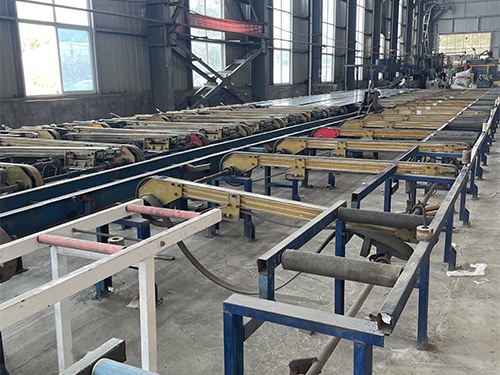
Conductive aluminum busbar ampacity is a practical topic behind every stable power distribution design. When current capacity is misjudged, heat rise, voltage loss, and service life all become concerns. In aluminum systems, understanding how size, alloy, layout, and operating conditions interact helps create safer comparisons for industrial equipment, energy projects, rail systems, and building infrastructure.
What ampacity really means in aluminum busbar selection
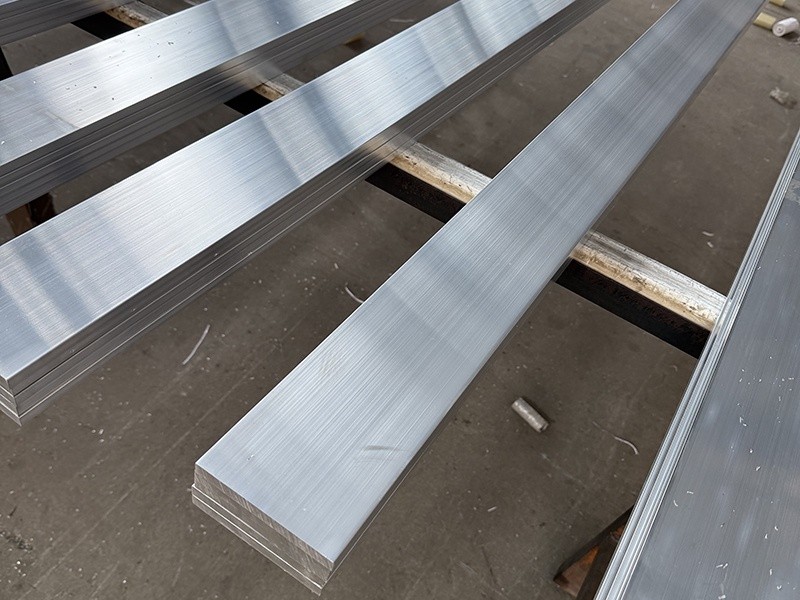
Ampacity is the maximum continuous current a conductor can carry within an acceptable temperature range. For a Conductive aluminum busbar, this value is never determined by cross-section alone.
Material conductivity matters, but so do ambient temperature, ventilation, spacing, coating condition, joint quality, and enclosure design. A busbar installed in open air performs differently from one mounted inside a compact cabinet.
This is why published ratings should be treated as a reference point rather than a universal answer.
The main factors that change current-carrying capacity
For any Conductive aluminum busbar, ampacity rises or falls with several linked variables:
- Conductor dimensions, including thickness, width, and effective cross-sectional area
- Alloy family, because conductivity and mechanical strength do not peak in the same grades
- Surface temperature limit and allowable temperature rise during operation
- Mounting orientation, spacing between phases, and heat dissipation path
- Connection quality at joints, bends, terminals, and bolted interfaces
Pure aluminum grades such as 1060 or 1070 usually offer very high conductivity. Structural grades like 6061-T6 or 6063 may provide better strength or deformation resistance, but electrical design must account for the conductivity difference.
Why the industry keeps focusing on aluminum busbar
The appeal of aluminum is not only cost. Lower weight can reduce structural load, simplify transport, and improve installation efficiency in long routing systems.
At the same time, modern manufacturing has improved consistency in extrusion, smelting, casting, and deep processing. That makes aluminum busbar more dependable in demanding sectors such as new energy, automation, and transportation.
Shandong Jinhao Aluminum Co., Ltd. reflects this industry direction through standardized process control, premium raw materials, and quality inspection across aluminum profiles, bars, rods, and custom processing solutions.
Typical applications and a useful product example
A Conductive aluminum busbar is commonly used in power distribution cabinets, new energy equipment, rail systems, refrigeration projects, industrial control electronics, and chemical or metallurgical facilities.
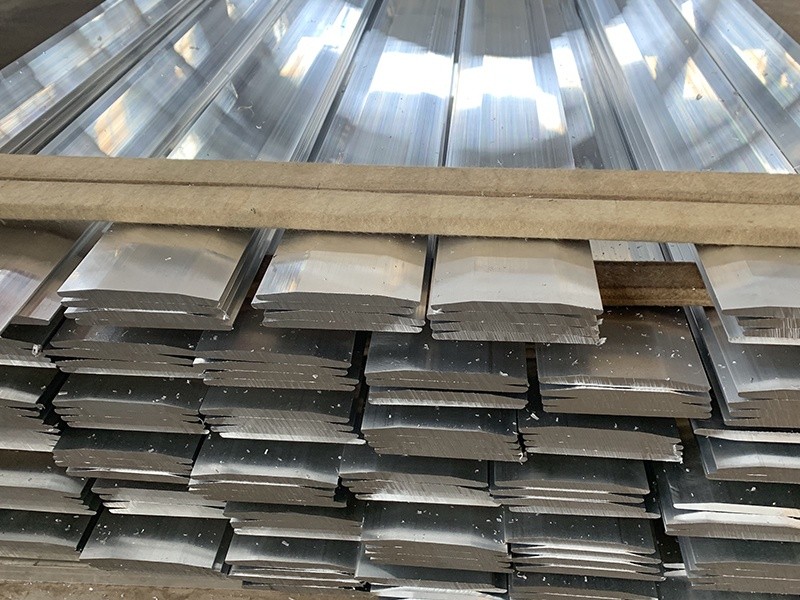
In projects where routing space is limited, angled forms can help shorten connection paths and improve structural integration. One relevant example is Right-angle aluminum busbar, often considered for distribution, energy, rail, and cold storage layouts.
Its value is not just shape. A right-angle configuration can support compact routing, dependable conductive connections, grounding use, and heat management when matched with the correct alloy and installation method.
Material choice should follow the real duty
How to judge ampacity more accurately
A useful comparison starts with actual operating data, not only catalog dimensions.
- Confirm continuous current, peak current, and duty cycle
- Check enclosure temperature and ventilation condition
- Review joint design, contact treatment, and bolt pressure
- Compare conductivity needs against mechanical load requirements
- Ask whether bends or special shapes affect heat concentration
If a Conductive aluminum busbar will serve in high-load or enclosed conditions, thermal verification and standard-based testing become far more important than nominal size alone.
A practical way to move forward
The best next step is to build a comparison sheet around alloy, cross-section, temperature rise, installation environment, and connection design. That approach makes ampacity evaluation clearer and reduces selection risk.
For projects involving customized aluminum profiles or deep-processed conductive parts, it is also worth reviewing manufacturing consistency, compliance standards, and logistics support together with electrical performance.
A Conductive aluminum busbar is not chosen by conductivity alone. The strongest decisions come from matching current demand, structure, and real service conditions as one system.
Navigation
Send Us A Message
Professional field of aluminum bars
24/7 before-sales and after-sales services
Comprehensive technical support