
Common Failures in Aluminum Busbar for Switchgear
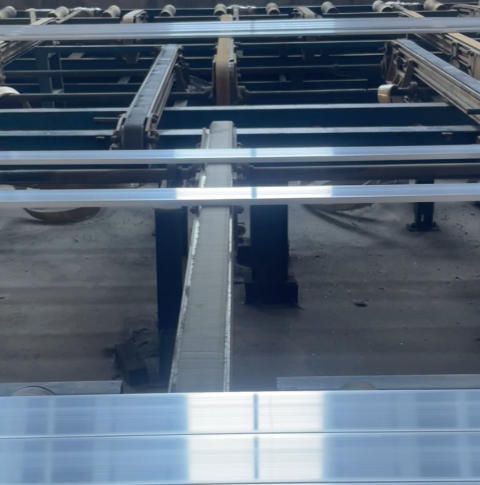
Why failures appear differently in real switchgear service
Common failures in Aluminum busbar for switchgear rarely start as isolated material defects. In service, downtime usually comes from how current load, enclosure heat, joint pressure, and ambient moisture interact over time.
That is why maintenance work cannot rely only on nameplate values. A feeder cabinet in a dry indoor room behaves differently from a coastal panel, a rail transit cabinet, or a new energy distribution unit with frequent load fluctuation.
Manufacturing quality still matters. Suppliers with standardized extrusion, casting, inspection, and deep-processing control, such as Shandong Jinhao Aluminum, help reduce dimensional deviation and surface inconsistency before the busbar ever reaches installation.
What usually goes wrong under different operating conditions
High-current cabinets often fail first at the joint
In power distribution rooms, the most common problem is overheating at bolted connections. Oxide film, uneven contact pressure, or poor surface finishing increases resistance, then temperature rises faster than expected.
A practical check is to compare phase temperatures during peak load, then inspect torque retention and discoloration. When expansion cycles are frequent, thermal loosening is often the real cause.
Humid or corrosive sites change the risk profile
In refrigeration plants, metallurgy workshops, or coastal building systems, corrosion becomes more important than pure conductivity. Surface attack around joints can reduce contact stability long before a visible crack appears.
In these cases, Aluminum busbar for switchgear should be judged by surface protection, ventilation, and cleaning intervals, not only by conductor size.
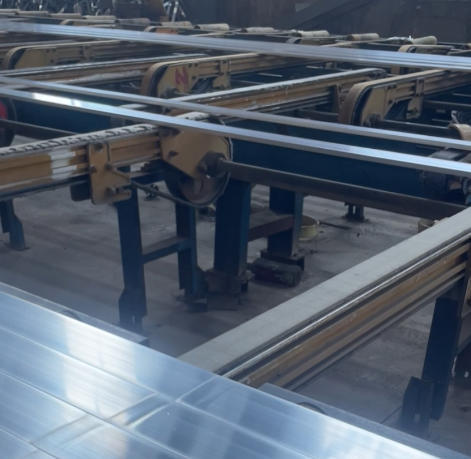
The same busbar is not judged the same way everywhere
Useful matching ideas before replacement or redesign
A common misjudgment is treating similar cabinets as identical applications. In practice, current density, enclosure temperature, and maintenance access can shift the correct selection between 1060, 1070, 6063, or 6061-T6 grades.
Where high conductivity, low weight, and good corrosion resistance must be balanced, Pure aluminum busbar can fit many switchgear uses, especially when thermal transfer and processing flexibility also affect installation quality.
- Check joint design before blaming the conductor.
- Review humidity, vibration, and overload history together.
- Compare replacement cost with inspection frequency and service life.
A reliable decision starts with the actual switchgear scene. Map the load pattern, environment, and maintenance cycle first, then confirm material grade, dimensions, and joint method against those conditions.
Navigation
Send Us A Message
Professional field of aluminum bars
24/7 before-sales and after-sales services
Comprehensive technical support