
Common Failure Risks in Pure Aluminum Busbar Connections
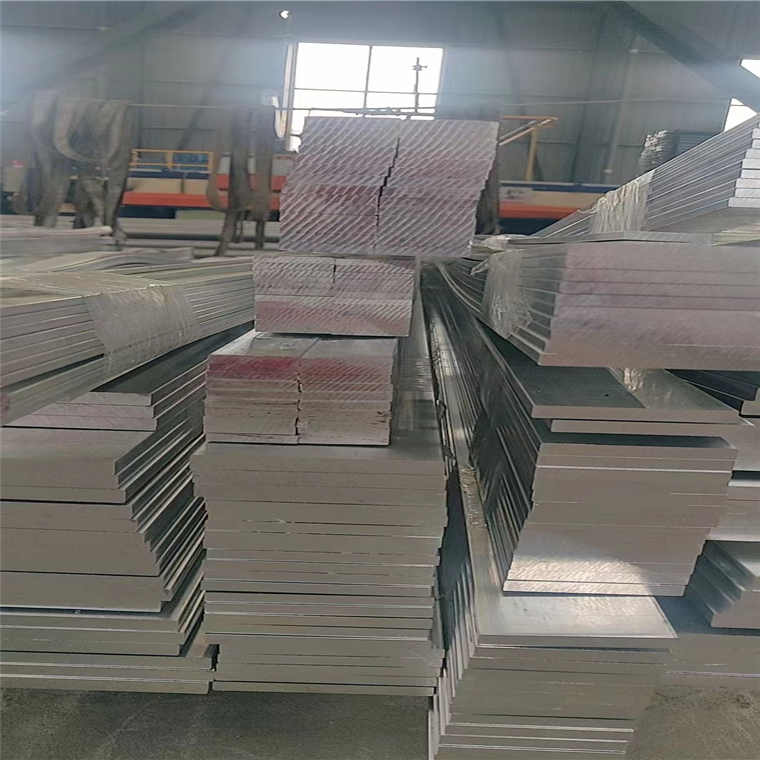
Common Failure Risks in Pure Aluminum Busbar Connections
Pure aluminum busbar connections affect electrical safety, heat control, and service life more than many teams expect.
In actual operation, failures rarely come from one dramatic event. They usually start with small installation or material details that go unchecked.
That is why connection quality matters in power distribution, rail transit, new energy, and industrial control systems using aluminum conductors.
Why do pure aluminum busbar joints fail even when the bar itself looks qualified?
The most common reason is not bulk material failure. It is contact failure at the joint surface.
Pure aluminum busbar forms oxide quickly. That oxide layer increases contact resistance and can trap heat under load.
Loose torque, poor surface cleaning, uneven pressure, and mixed-metal contact also raise risk. Over time, vibration and thermal cycling make the problem worse.
Which warning signs usually appear before overheating becomes serious?
The early signs are usually subtle. A joint may pass initial inspection but still drift out of control after repeated load changes.
A stable pure aluminum busbar connection should keep temperature rise predictable, not concentrated at one point.
Is material grade part of the risk assessment?
Yes, because conductivity alone does not decide joint reliability. Mechanical behavior matters as much as electrical performance.
For example, 1060 or 1070 offers very high conductivity, but softer material needs careful joint design to avoid deformation under pressure.
Where installation strength, machining stability, or resistance to deformation matter more, teams often compare pure aluminum with 6063 or 6061-T6 options.
In many projects, Conductive aluminum busbar solutions are selected by balancing current transfer, weight, corrosion resistance, and assembly conditions together.
What installation mistakes create the highest failure risk?
Several mistakes appear again and again in field cases:
- Skipping oxide removal before assembly.
- Using incorrect bolt torque or uneven tightening sequence.
- Ignoring thermal expansion space in long busbar runs.
- Directly joining aluminum to copper without proper transition treatment.
More experienced suppliers reduce these risks through standardized processing, inspection, and dimensional control before shipment.
That approach reflects the value of companies such as Shandong Jinhao Aluminum, where compliant production and full-process quality control support consistent deep-processed aluminum parts.
How can recurring connection problems be prevented in daily practice?
A useful approach is to treat the joint as a controlled process, not a simple fastening step.
Keep surface preparation standards clear, record torque values, verify contact flatness, and confirm temperature rise after commissioning.
For applications in photovoltaics, wind power, energy storage, or buildings, it also helps to match the busbar grade to load pattern and installation environment.
If repeated hot joints appear, review both design and sourcing together. A lighter, corrosion-resistant aluminum solution only performs well when material, machining, and joint control stay aligned.
The next practical step is simple: document current failure points, compare joint methods, and confirm whether the selected pure aluminum busbar fits both electrical load and mechanical stress.
Navigation
Send Us A Message
Professional field of aluminum bars
24/7 before-sales and after-sales services
Comprehensive technical support