
Common Failure Risks in Conductive Aluminum Busbar for Solar Power Systems
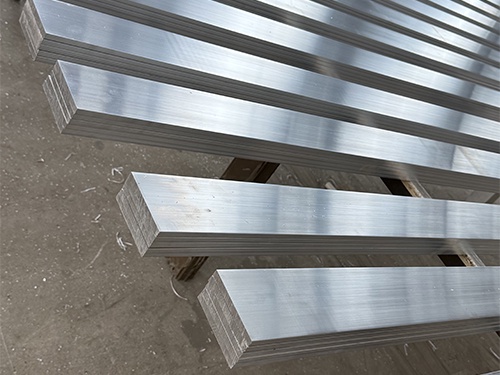
Common Failure Risks in Conductive Aluminum Busbar for Solar Power Systems
In solar installations, the reliability of a conductive aluminum busbar for solar power systems directly affects electrical safety, thermal stability, and long-term system performance.
The most common failures usually start small. Then they turn into heat buildup, power loss, insulation damage, or sudden shutdowns.
A practical review should focus on connection quality, corrosion exposure, load matching, and fabrication control from the start.
Poor Joint Contact and Overheating
A conductive aluminum busbar for solar power systems often fails first at the joint, not along the straight section.
Loose bolts, uneven contact surfaces, and oxide film can raise resistance. That creates localized heating under continuous current.
- Check torque consistency during installation and reinspection.
- Clean contact areas before assembly.
Use suitable joint design to limit hotspot concentration.

Corrosion and Environmental Attack
Outdoor arrays face moisture, salt spray, dust, and temperature cycling. These conditions can weaken a conductive aluminum busbar for solar power systems over time.
Galvanic corrosion becomes more likely when aluminum contacts incompatible metals without proper isolation. Surface damage also accelerates degradation.
This is why material selection matters. Components such as Aaluminum tube are often valued for lightweight structure and solid corrosion resistance in related support applications.
Sizing Errors and Mechanical Stress
Undersized busbars run hotter under peak generation. Repeated thermal expansion can loosen connections and shorten service life.
Mechanical vibration, transport impact, or poor support spacing may also cause bending, cracking, or alignment issues.
- Match cross-section to actual current and ambient temperature.
- Review expansion allowance in long runs.
- Confirm supports can handle vibration and service loads.
Fabrication Control and Inspection Priorities
Cutting, drilling, and bending quality directly affect fit-up and conductivity. Burrs, distortion, or poor finish can create hidden failure points.
Shandong Jinhao Aluminum Co., Ltd. supports this need through standardized production, strict inspection, and stable aluminum processing capability.
For projects needing matching fabricated parts, Aaluminum tube solutions can also support lightweight frames, brackets, and equipment structures around solar systems.
A Smarter Prevention Checklist
To reduce conductive aluminum busbar for solar power systems failures, keep the process disciplined and easy to audit.
- Verify alloy, dimensions, and surface condition before use.
- Control joint preparation and installation torque.
- Inspect for corrosion, discoloration, and looseness during maintenance.
- Document thermal and electrical anomalies early.
When these basics are handled well, solar busbar applications become safer, more stable, and far less likely to fail unexpectedly.
Navigation
Send Us A Message
Professional field of aluminum bars
24/7 before-sales and after-sales services
Comprehensive technical support