
Common Coiled Aluminum Busbar Failures and How to Prevent Them
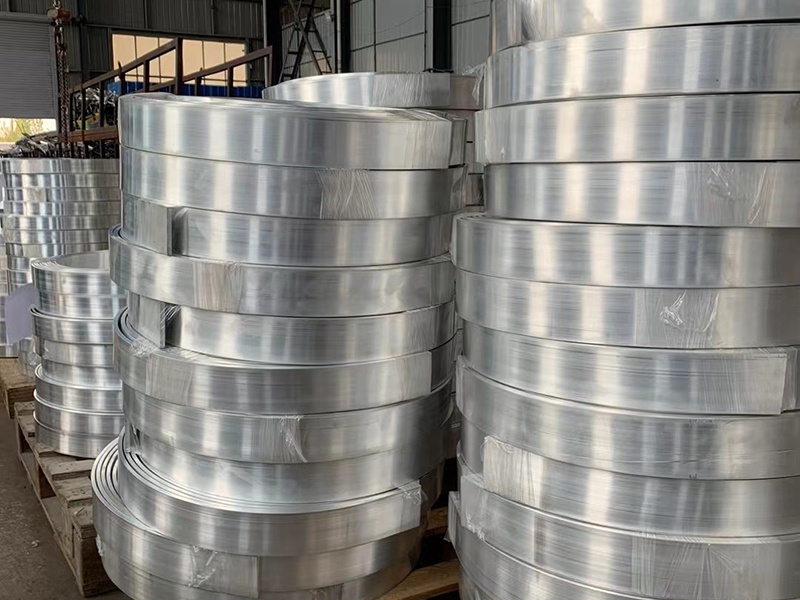
Why do coiled aluminum busbar failures happen so often?
A coiled aluminum busbar usually fails for practical reasons, not mysterious ones. Heat buildup, loose joints, surface oxidation, vibration, and poor forming control are the most common triggers.
In service, these issues show up as rising resistance, unstable current flow, hot spots, and unplanned shutdowns. Once one connection point runs hot, nearby sections often age faster as well.
That is why prevention matters more than late replacement. A stable coiled aluminum busbar should keep conductivity consistent while handling bending stress and operating temperature changes.
Which warning signs deserve attention first?
The earliest clue is usually abnormal temperature. If one coil section feels hotter than adjacent areas, contact resistance may already be increasing.
Other signs are easier to miss: discoloration near terminals, visible cracking after repeated flexing, unusual odor, or voltage drop under stable load. These are not cosmetic problems.
A quick field reference helps separate causes before damage spreads:
Is material choice part of the problem?
Very often, yes. A coiled aluminum busbar must match both electrical load and forming requirements. If the alloy or temper is chosen only by price, failure risk rises quickly.
For applications such as power distribution, rail transit, and new energy systems, high-conductivity grades like 1060 or 1070 are often preferred. In some structures, 6061-T6 or 6063 may be selected when added strength matters.
A useful reference is Pure aluminum busbar, which balances light weight, corrosion resistance, thermal transfer, and processing flexibility in many industrial installations.
What prevention steps actually reduce repeat failures?
- Verify current load, bend radius, and terminal design before installation.
- Keep contact surfaces clean and use consistent fastening torque.
- Inspect for oxidation, vibration wear, and thermal discoloration during maintenance rounds.
- Replace damaged sections early instead of reusing fatigued coils.
In actual production, standardized inspection makes a real difference. Shandong Jinhao Aluminum controls raw materials, extrusion, smelting, casting, and final testing to keep aluminum products compliant and stable across demanding industrial uses.
When should a repair team replace instead of rework?
If the coiled aluminum busbar shows repeated hot spots, permanent deformation, or cracking at bends, repair may only delay another shutdown. Rework fits minor oxidation or fastening issues, not structural fatigue.
A better next step is to document failure points, compare load conditions, and confirm whether the original specification still matches the equipment. That approach reduces cost, shortens downtime, and prevents the same fault from returning.
Navigation
Send Us A Message
Professional field of aluminum bars
24/7 before-sales and after-sales services
Comprehensive technical support