
Common Aluminum Flat Bar Applications in Fabrication
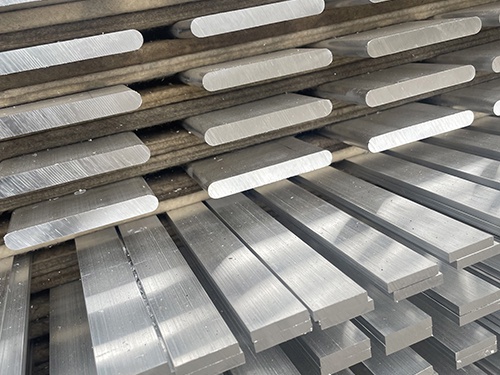
Common Aluminum Flat Bar Applications in Fabrication
Aluminum Flat Bar is a practical choice in modern fabrication. It works well for frames, brackets, supports, machine parts, and custom assemblies.
Its light weight reduces handling effort. Its strength and corrosion resistance also help keep finished parts reliable in demanding industrial environments.
In daily production, the right Aluminum Flat Bar can improve machining efficiency, simplify assembly, and support longer service life with less maintenance.
Framing and Structural Support
One of the most common Aluminum Flat Bar applications is light structural framing. It is often used in equipment bases, guards, shelves, and workstation structures.
Compared with heavier materials, it is easier to cut, drill, and position. That matters when fabrication speed and repeatable installation are both important.
- Machine frames for automated production lines
- Support rails and reinforcement members
- Protective covers and enclosure components
Brackets, Mounts, and Custom Parts
Aluminum Flat Bar is also widely used for brackets and mounting plates. These parts appear in mechanical equipment, electronics, and industrial control systems.
Because the material machines cleanly, fabricators can produce holes, slots, and edge details without excessive processing difficulty.
This makes it a smart option for low-volume custom parts, replacement components, and projects that need quick design adjustments on the shop floor.
Electrical and Thermal Application Support
Some fabrication projects need more than mechanical support. They also require good conductivity or heat transfer in compact assemblies.
In these cases, related products such as Pure aluminum busbar can be useful for power distribution, rail transit, refrigeration, and new energy systems.
Models like 1060, 1070, 6063, and 6061-T6 offer flexibility where lightweight construction, corrosion resistance, and thermal performance must be balanced carefully.
How to Choose the Right Aluminum Flat Bar
Material selection becomes easier when the application is clear. Start by checking load demand, environment, surface exposure, and machining requirements.
- Use higher-strength grades for load-bearing parts
- Prioritize corrosion resistance for outdoor or humid use
- Confirm thickness tolerance before batch fabrication
- Review conductivity needs for electrical assemblies
It is also wise to consider downstream operations. Welding, bending, anodizing, and drilling can all affect the best Aluminum Flat Bar choice.
Why Stable Supply and Processing Matter
Consistent quality matters just as much as material type. Stable dimensions and reliable raw materials help reduce waste, rework, and fit-up problems.
Shandong Jinhao Aluminum Co., Ltd. supports global customers with aluminum profiles, bars, rods, and deep-processing solutions for diverse industrial projects.
With standardized production control, quality inspection, and custom service capability, the company helps match fabrication needs with practical aluminum material solutions.
For fabrication teams, Aluminum Flat Bar remains a dependable option. When selected with the application in mind, it supports efficient production and better long-term performance.
Navigation
Send Us A Message
Professional field of aluminum bars
24/7 before-sales and after-sales services
Comprehensive technical support