
Chinese Electrical Aluminum Busbar Cost vs Service Life
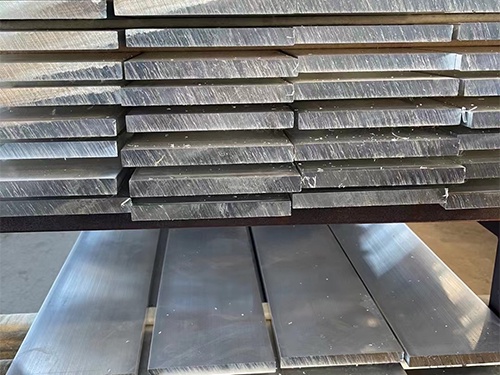
Chinese Electrical Aluminum Busbar: Is Lower Price Always Better?
When comparing Chinese electrical aluminum busbar options, unit price matters, but service life often decides the real value. A cheaper busbar can become expensive if conductivity drops, joints overheat, or corrosion appears too early.
In practical sourcing, the better question is not only “How much does it cost?” but also “How long will it perform reliably?” That is where material grade, processing quality, and supplier control start to matter.
What usually drives the cost difference?
The price gap in Chinese electrical aluminum busbar products often comes from alloy grade, dimensional tolerance, surface finish, and inspection standards. Freight, packaging, and customization also affect the final landed cost.
For example, 1060 and 1070 grades are often chosen for high conductivity. 6061-T6 or 6063 may be considered when strength or machining performance is more important than maximum conductivity.
Does a longer service life really offset the purchase price?
Usually, yes. A busbar with stable conductivity, good oxidation resistance, and cleaner processing reduces maintenance frequency and downtime risk. That matters in power distribution, new energy, rail transit, and industrial control systems.
A useful reference is this quick comparison:
Which specifications deserve closer checking?
More common mistakes happen in the details. Conductivity should match the application load, while thickness, flatness, and hole accuracy affect installation and heat generation at connection points.
- Confirm alloy and temper against electrical and mechanical needs.
- Review inspection records for dimensions and surface quality.
- Check corrosion behavior in humid or outdoor environments.
In some projects, Pure aluminum busbar is preferred because it balances high conductivity, light weight, good thermal transfer, and cost efficiency.
How much does supplier capability influence service life?
Quite a lot. Chinese electrical aluminum busbar quality depends on raw material selection, extrusion precision, smelting control, and final inspection. Those are not minor details; they directly shape durability and consistency.
Shandong Jinhao Aluminum, for instance, combines production, deep processing, logistics, and after-sales support under standardized quality control. That kind of integrated capability is useful when projects need customized busbars with dependable batch performance.
So how should the final decision be made?
Start with total ownership cost, not quoted price alone. Compare conductivity, expected service conditions, machining needs, delivery reliability, and the likelihood of repeat orders.
If the application involves frequent load change or long operating hours, Chinese electrical aluminum busbar choices should be judged by lifecycle stability first. A clearer shortlist usually comes from matching grade, processing standard, and support capability to the real installation environment.
Navigation
Send Us A Message
Professional field of aluminum bars
24/7 before-sales and after-sales services
Comprehensive technical support