
Aluminum Flat Bar Sizes, Grades, and Uses Explained
Why Aluminum Flat Bar Matters
Choosing an Aluminum Flat Bar is rarely just about dimensions. Size, alloy grade, surface condition, and fabrication method all affect strength, corrosion behavior, machining efficiency, and service life.
That is why this material remains important across machinery, automation lines, transport components, and new energy structures, where low weight and dependable performance must work together.
Understanding Sizes and Basic Selection
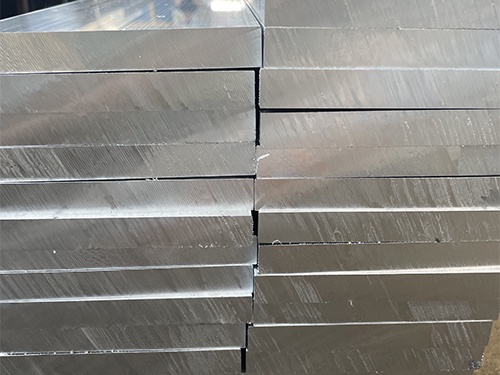
Aluminum Flat Bar usually refers to a solid rectangular section. The key size variables are thickness, width, length, and tolerance. These determine load capacity, joining convenience, and processing waste.
In practical terms, thicker bars support higher structural demands, while wider bars often improve stability and contact area in brackets, frames, and mounting bases.
- Small sizes suit trims, light supports, and equipment covers.
- Medium sizes fit machine parts, fixtures, and modular assemblies.
- Larger sections are common in transport, rail-related structures, and load-bearing frameworks.
Grades Shape Real Performance
Not every Aluminum Flat Bar performs the same way. Pure aluminum offers excellent corrosion resistance and conductivity, while aluminum alloy grades are chosen when higher mechanical strength is required.
Some grades favor bending and forming. Others are better for machining, welding, or heat treatment. The right choice depends on whether the part must resist outdoor exposure, vibration, or repeated fabrication steps.
Where It Is Commonly Used
From industry application angles, Aluminum Flat Bar is valued for combining lightweight design with clean fabrication. It appears in conveyor systems, automation supports, busbar-related assemblies, frames, guards, and transport interiors.
In many projects, flat bars also work alongside extruded profiles and hollow sections. For example, a frame may use flat bar for mounting points and Aaluminum tube for lightweight structural members.
This mixed-material approach helps balance stiffness, appearance, and processing efficiency, especially in equipment fabrication, vehicle structures, display systems, and modular construction details.
What Buyers and Project Teams Watch Closely
Current market attention is no longer limited to price per kilogram. Consistency of alloy composition, extrusion quality, dimensional accuracy, and inspection standards often decide whether downstream processing stays stable.
Shandong Jinhao Aluminum reflects this shift well. With integrated R&D, production, deep processing, and after-sales service, the company supports aluminum bars and related products through standardized control, premium raw materials, and full-process quality inspection.
That matters when comparing suppliers, because reliable Aluminum Flat Bar should not only meet drawings, but also reduce rework, simplify logistics, and fit long-term application demands.
A Practical Way to Move Forward
A useful next step is to sort requirements by environment, load, fabrication method, and finish expectations. Then compare Aluminum Flat Bar sizes and grades against those criteria instead of choosing by habit.
If a project includes matching profiles, rods, or tube sections, review them together early. That usually leads to a more efficient material plan and a clearer basis for technical discussion.
Navigation
Send Us A Message
Professional field of aluminum bars
24/7 before-sales and after-sales services
Comprehensive technical support