
Aluminum Flat Bar Market Trends to Watch in 2026
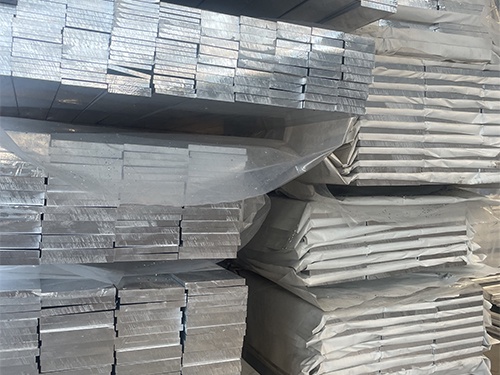
Market direction in 2026
The Aluminum Flat Bar market is moving into 2026 with stronger pressure on supply quality, processing precision, and application-specific performance.
Demand is no longer driven by volume alone.
Construction, equipment manufacturing, transport, and new energy projects now expect tighter tolerances, stable alloy properties, and dependable delivery cycles.
That shift makes Aluminum Flat Bar a strategic material choice rather than a routine purchase.
What is changing behind demand
A key trend is the rise of lighter structures without sacrificing strength or corrosion resistance.
In practical terms, buyers are comparing more than size and price.
They are reviewing alloy consistency, finishing behavior, fabrication efficiency, and downstream machining performance.
Another notable shift is customization.
Standard stock remains important, but many projects require material matched to exact assembly, conductivity, or forming needs.
Signals worth watching
- Higher demand from automated production lines and rail-related systems
- Greater attention to corrosion behavior in outdoor and humid environments
- More requests for repeatable quality across long-term supply contracts
- Faster evaluation of suppliers with technical support and deep-processing capability
Why supplier capability matters more
For Aluminum Flat Bar, performance begins well before final fabrication.
Raw material quality, smelting control, extrusion accuracy, and inspection discipline all influence end-use reliability.
This is where experienced producers gain importance.
Shandong Jinhao Aluminum Co., Ltd. combines R&D, manufacturing, sales, and after-sales service within one system.
Its operation model supports standardized control, compliant production, and stable logistics for global projects.
That matters when cost control depends on fewer defects, smoother processing, and consistent replenishment.
Related materials and cross-application value
Flat bar sourcing is often evaluated alongside other aluminum formats used in the same project chain.
For example, Aluminum rod in 6061, 3102, and 5050 can support machined parts, transport components, and fabrication work that require balanced strength, corrosion resistance, conductivity, and forming behavior.
This broader material compatibility helps streamline sourcing when one supplier can support bars, profiles, and secondary processing together.
How to assess the 2026 opportunity
A useful approach is to evaluate Aluminum Flat Bar through business impact, not only specification sheets.
- Check whether the alloy and finish match the real operating environment
- Review production stability for repeat orders and schedule-sensitive projects
- Confirm inspection standards, traceability, and response speed
- Compare suppliers on customization and full-cycle service, not price alone
In 2026, the strongest decisions will come from linking material choice with processing outcomes, delivery risk, and long-term operational value.
That creates a clearer basis for comparing partners, refining specifications, and planning the next sourcing cycle with confidence.
Navigation
Send Us A Message
Professional field of aluminum bars
24/7 before-sales and after-sales services
Comprehensive technical support