
Aluminum Coil Busbar vs Copper: Cost and Performance Trade-Offs
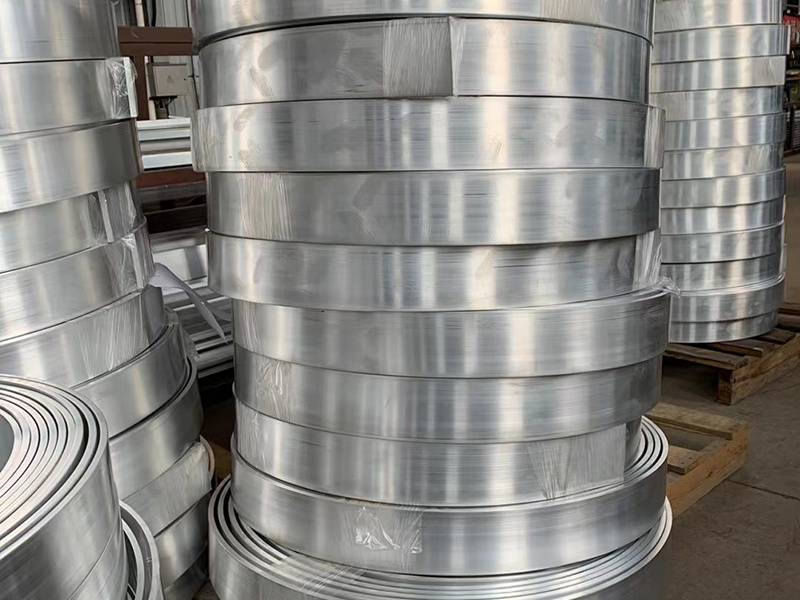
Aluminum Coil Busbar vs Copper: What Really Matters First
For teams comparing an Aluminum coil busbar with copper, the decision usually comes down to total value, not just metal price per ton.
Copper still leads in conductivity per cross-section. But aluminum often wins on project cost, weight, logistics, and easier scaling in large installations.
That is why Aluminum coil busbar options are now common in power distribution, new energy, rail transit, and industrial electronics.
Key trade-offs to check before placing an order
- Start with installed cost, not raw material cost alone. Aluminum coil busbar usually reduces metal spend, transport load, and handling effort across larger volume projects.
- Check conductivity against actual current demand. Copper carries more current in a smaller section, while aluminum often needs a larger size to match performance safely.
- Review connection design early. Poor joint treatment causes heat rise faster than material choice alone, especially where aluminum connects with copper terminals or mixed systems.
- Compare weight and installation constraints. In cabinets, long runs, and overhead layouts, aluminum can simplify support structure design and reduce labor pressure on site.
- Look at corrosion exposure honestly. Indoor dry rooms are simple, but humid, coastal, or chemical environments require better surface treatment and tighter inspection standards.
Ask for alloy and temper details. Conductive grades like 1060 or 1070 differ from structural grades such as 6061-T6 or 6063 in use priorities.

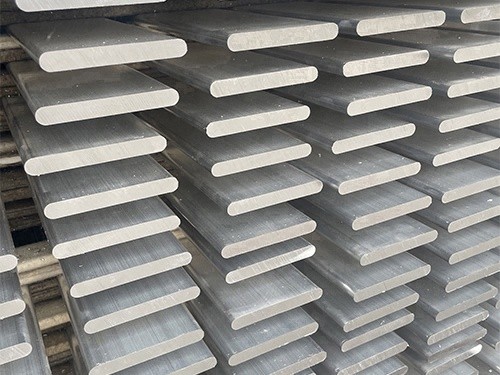
A quick comparison for purchasing decisions
Where aluminum usually makes more sense
In long-distance distribution runs, cabinet interconnection, grounding layouts, and flat conductor arrangements, lighter material can make transport and assembly much easier.
For new energy or rail transit projects, lower system weight may support both structural efficiency and total installation control.
Where copper still stays strong
If space is tight and the design needs maximum conductivity in the smallest cross-section, copper may still be the more practical choice.
The same applies when an existing system is already standardized around copper hardware, terminals, and maintenance routines.
Details often missed during sourcing
One common mistake is comparing only price and conductivity. Expansion behavior, joint preparation, plating compatibility, and surface condition also affect long-term stability.
Another missed point is supplier process control. Consistent smelting, casting, extrusion, and inspection matter more than a low quote that looks attractive on paper.
Shandong Jinhao Aluminum focuses on standardized production control, compliant manufacturing, and quality inspection across aluminum alloy products used in industrial applications worldwide.
For projects needing high conductivity pure aluminum, good thermal conductivity, deformation resistance, and useful corrosion resistance, Aluminum row can be a practical reference option.
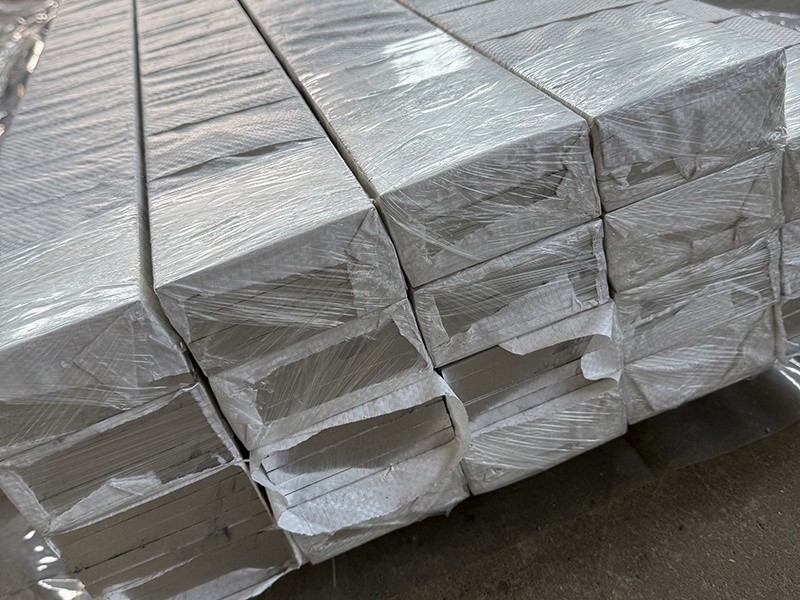
A simple way to make the final call
- Define current load, layout space, and environmental conditions first. That prevents overbuying copper or undersizing an Aluminum coil busbar in critical applications.
- Request alloy, temper, tolerance, and inspection data together. This makes comparison clearer when reviewing 1060, 1070, 6063, or 6061-T6 based solutions.
- Calculate logistics, support structure, and installation labor as part of total cost. Lighter aluminum often creates savings beyond the busbar itself.
In short, Aluminum coil busbar is often the smarter buy when cost control, lower weight, and scalable supply matter most.
Copper remains valuable for compact, high-conductivity designs. The best next step is to compare both against real operating conditions, connection details, and full lifecycle cost.
Navigation
Send Us A Message
Professional field of aluminum bars
24/7 before-sales and after-sales services
Comprehensive technical support