
Aluminum Coil Busbar for Wind Turbine Applications: Key Design and Installation Points
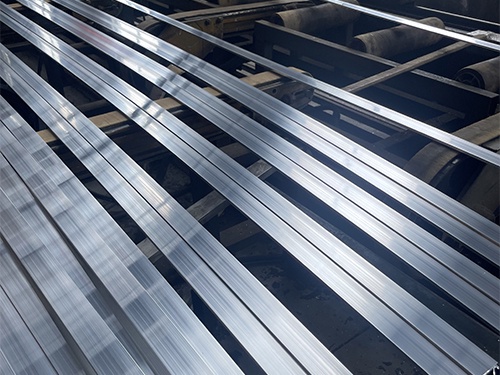
In modern wind power systems, Aluminum coil busbar for wind turbine applications plays a vital role in improving electrical conductivity, reducing weight, and supporting long-term reliability under harsh operating conditions. For daily operation, the right design and installation details directly affect safety, uptime, and maintenance effort.
Because wind turbines face vibration, temperature swings, humidity, and narrow installation spaces, a busbar cannot be selected by conductivity alone. It must also match mechanical loads, connection stability, and long service life.
Why Aluminum Coil Busbar for Wind Turbine Systems Makes Sense
Aluminum coil busbar for wind turbine systems is popular for one simple reason: it balances weight, conductivity, and cost better than many heavier conductor options.
In nacelles, converters, control cabinets, and grounding layouts, lower weight helps reduce structural burden. Good thermal conductivity also supports heat dissipation in enclosed electrical assemblies.
For many new energy projects, material options such as 1060 / 1070, 6063, and 6061-T6 are chosen based on conductivity needs, strength targets, and forming requirements.
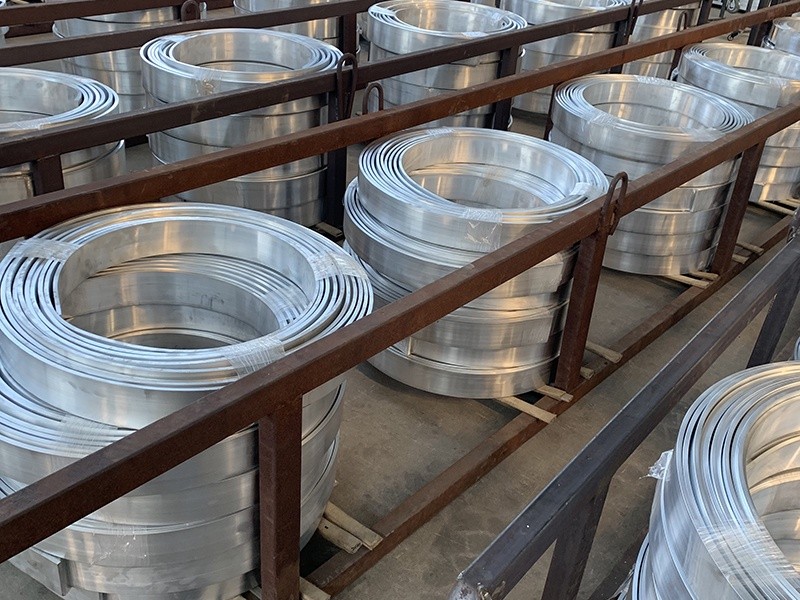
Core points to confirm before design starts
- Check actual current load, peak load, and duty cycle first. This helps size the Aluminum coil busbar for wind turbine use correctly and avoids hidden overheating later.
- Review installation space early. Tight bending radius, cabinet corners, and layered cable routing often decide whether a coil busbar design is practical on site.
- Match alloy with function. High-conductivity grades suit power transmission, while stronger grades work better where vibration resistance and structural support matter more.
- Confirm surface and joint treatment. Stable contact resistance matters as much as conductor size, especially in humid offshore or high-condensation environments.
- Plan thermal paths, not only electrical paths. A busbar that runs cool usually gives more stable inverter, cabinet, and grounding performance over time.
- Set inspection points before installation begins. Torque records, alignment checks, and insulation spacing are easier to control early than rework later.
Design Details That Are Often Missed
A common mistake is focusing only on ampacity tables. In real wind projects, movement and environment matter just as much as current rating.
If the conductor path crosses moving or vibrating zones, deformation resistance becomes critical. Poor support spacing can lead to fatigue, loose joints, or insulation wear.
Products used in busbar systems and cabinet interconnection often need a balance of high conductivity, good thermal conductivity, and useful corrosion resistance under indoor and outdoor conditions.
That is why many projects also look at deep-processing capability, standardized quality control, and material consistency from experienced aluminum suppliers such as Shandong Jinhao Aluminum Co., Ltd.
Installation Points That Help Avoid Rework
Even a strong Aluminum coil busbar for wind turbine assemblies can fail early if installation is rushed. Most field issues start at joints, supports, or poor alignment.
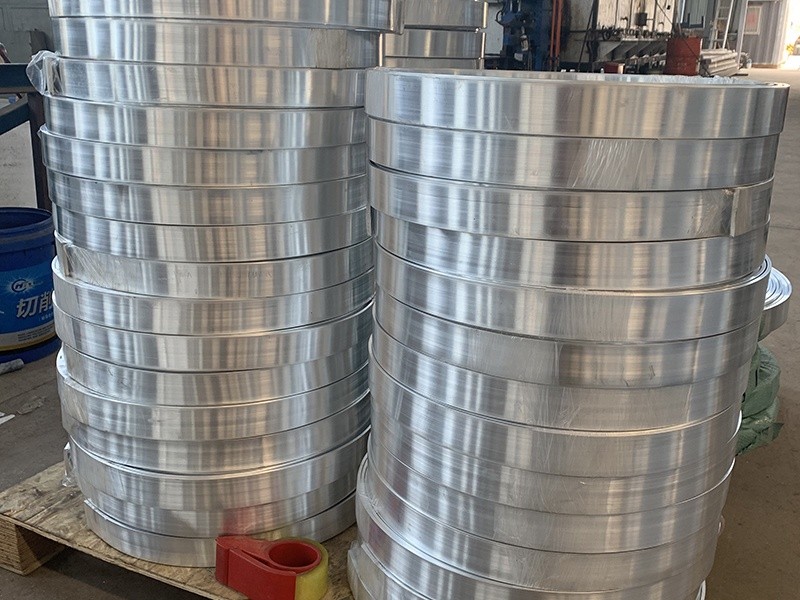
Practical checks during installation
- Clean all contact surfaces before fastening. Oxide, dust, or grease can raise resistance quickly and create local heating under repeated turbine load changes.
- Use the specified tightening torque and record it. Over-tightening may deform aluminum, while low torque often causes unstable contact over time.
- Keep bending smooth and controlled. Sharp forming points can concentrate stress and shorten service life in vibrating wind turbine compartments.
- Maintain clear spacing from cables, cabinet walls, and heat sources. This improves cooling and reduces accidental abrasion during operation or maintenance.
- Install supports where movement is expected, not only where space is convenient. Good restraint reduces fatigue cracks and connection loosening.
- After energizing, inspect for hot spots early. Infrared checks in the first operating period can reveal poor joints before they become shutdown issues.
In converter cabinets, flat conductor arrangements usually work best when routing is short, direct, and well supported. Extra turns often increase resistance and make maintenance harder.
For grounding structures, the priority is stability over time. Moisture exposure and dissimilar metal contact should be reviewed carefully during assembly.
Typical Wind Power Scenarios and Better Choices
Inside nacelles, weight reduction is especially valuable. Here, Aluminum coil busbar for wind turbine designs can support current transmission while lowering overall structural load.
In tower-base power distribution areas, accessibility matters more. Wider inspection space, clear markings, and simple joint layouts make future maintenance faster and safer.
For offshore or high-humidity sites, corrosion resistance should not be treated as a bonus. It is part of the basic design requirement from day one.
In these cases, solutions related to current transmission, grounding layouts, heat dissipation, and equipment assembly may use Aluminum row as a practical reference for matching conductivity, strength, and lower system weight.
A Simple Way to Judge the Right Fit
If a project needs efficient conductivity, lower weight, and scalable cost, Aluminum coil busbar for wind turbine applications is often a strong direction. But the right result depends on matching alloy, joint design, support layout, and installation discipline.
Shandong Jinhao Aluminum Co., Ltd. combines aluminum product R&D, production, deep processing, and service support, with experience across new energy, industrial electronics, rail transit, and other demanding sectors. That kind of process control matters when consistency and long-term reliability are non-negotiable.
Before the next installation or retrofit, start with three checks: actual load, real environment, and connection quality. When those are clear, the rest of the Aluminum coil busbar for wind turbine decision becomes much easier and more reliable.
Navigation
Send Us A Message
Professional field of aluminum bars
24/7 before-sales and after-sales services
Comprehensive technical support