
Aluminum Coil Busbar Conductivity, Strength, and Forming Explained
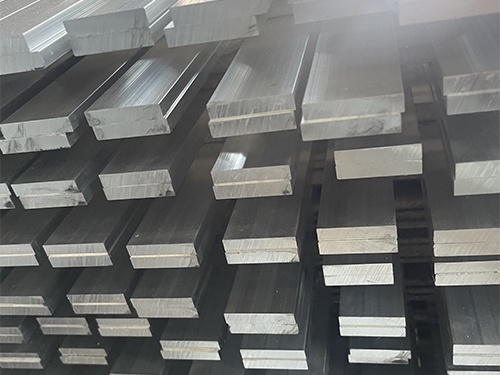
Choosing an Aluminum coil busbar is rarely about conductivity alone. Daily performance depends on how well electrical efficiency, mechanical strength, and forming behavior stay balanced through installation, vibration, heat, and long service cycles.
That is why the topic matters across power distribution, new energy equipment, transport systems, and automated lines. A busbar that conducts well but cracks during bending, or one that forms easily but loses stability, creates avoidable risk.
What conductivity really means in use
For an Aluminum coil busbar, conductivity affects heat rise, voltage drop, and overall energy efficiency. In practical terms, better conductivity helps keep operating temperatures more stable under continuous load.
Material grade has a direct influence here. Purity, alloying elements, and process control all shape current-carrying behavior. Even surface condition and contact quality can change real electrical performance.
This is why disciplined smelting, casting, and inspection matter. Shandong Jinhao Aluminum emphasizes compliant production, premium raw materials, and full-process quality control, which supports more consistent aluminum alloy performance in demanding applications.
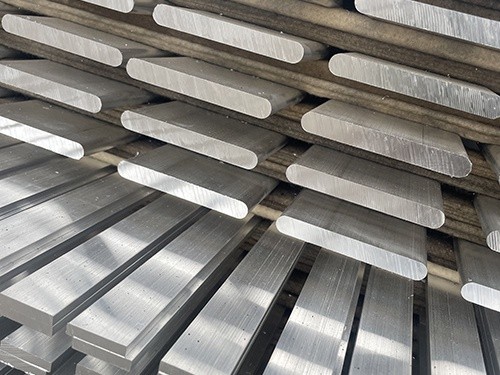
Strength cannot be treated as a secondary issue
An Aluminum coil busbar must also withstand fastening pressure, handling stress, and thermal expansion. Mechanical strength helps maintain shape and contact reliability after repeated operating cycles.
Higher strength is not always better. A harder temper may resist deformation, yet it can reduce bendability and increase the chance of edge cracking during forming.
In other words, strength should match the installation method. Tight routing, compact cabinets, and multi-bend layouts often need a more careful compromise than straight, fixed conductor runs.
Why forming behavior often decides field success
Forming performance becomes critical when the Aluminum coil busbar must be bent, punched, cut, or shaped into compact assemblies. Poor forming behavior may not appear in inspection, but it shows up during installation.
Common warning signs include burrs, springback, local thinning, and micro-cracks near bend zones. These issues can later affect resistance, fastening quality, and service life.
The same selection logic is familiar in other aluminum products. For example, Aluminum rod grades such as 6061, 3102, and 5050 are often judged by conductivity, corrosion resistance, and forming response together, not separately.
Typical factors that influence results
- Alloy composition and temper condition
- Coil thickness and bend radius
- Punching, cutting, and edge quality
- Surface treatment and joint design
Temperature rise during operation

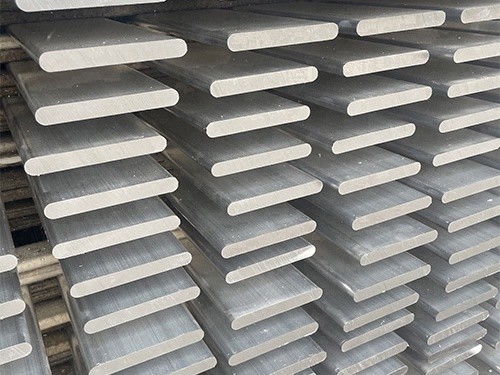
Where these trade-offs show up most clearly
The Aluminum coil busbar is widely relevant in switchgear, battery systems, inverter assemblies, rail transit equipment, and industrial control cabinets. Each scene stresses the material differently.
Jinhao Aluminum serves sectors such as mechanical equipment, rail transit, electronic appliances, and new energy. That background matters because busbar material decisions usually depend on application context, not on a single property sheet.
How to judge a suitable Aluminum coil busbar
Start with the actual current load and allowable temperature rise. Then check how many bends, holes, and connection points the part will require.
After that, compare alloy and temper options against mechanical demands. If the design includes secondary fabrication, processing response becomes just as important as conductivity values.
- Review bending radius before locking in hardness
- Confirm joint surfaces and contact treatment
- Check repeatability for batch production
- Ask for inspection data tied to industrial standards
If the project includes machined or fabricated aluminum parts beyond busbars, materials with broad processing compatibility can simplify the supply chain and improve consistency across assemblies.
A practical next step
The best Aluminum coil busbar choice comes from matching electrical demand, structural conditions, and forming steps as one decision. Looking at any one factor in isolation usually leads to rework later.
A useful next move is to sort requirements by load, bend complexity, service environment, and inspection standard. With that framework, material options can be compared more accurately and with fewer surprises in production.
Navigation
Send Us A Message
Professional field of aluminum bars
24/7 before-sales and after-sales services
Comprehensive technical support