
Aluminum Busbar for Switchgear in High-Load Systems
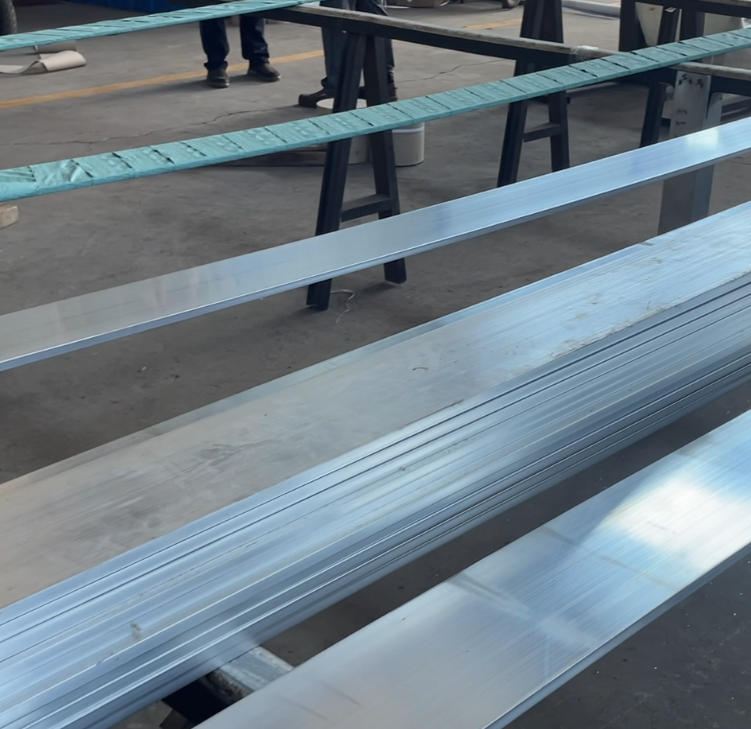
Aluminum Busbar for Switchgear Starts with Load Reality
In high-load distribution systems, Aluminum busbar for switchgear is usually selected for a reason beyond material cost.
What matters is stable current carrying, manageable heat rise, lower structural weight, and dependable service over long operating cycles.
In practice, site conditions change the decision.
A rail power cabinet, a new energy panel, and an industrial control assembly may all use aluminum, but they rarely need the same balance of conductivity, rigidity, and routing form.
Why Similar Switchgear Projects Need Different Judgments
The main difference usually comes from load density, enclosure space, ambient corrosion, and maintenance frequency.
For compact cabinets, Aluminum busbar for switchgear must support tighter layouts without creating thermal concentration at bends or joint points.
In humid or chemical environments, material consistency and surface quality become as important as nominal conductivity.
This is where experienced aluminum processing matters.
Shandong Jinhao Aluminum combines extrusion, smelting, casting, and full-process inspection, which helps keep dimensional accuracy and industrial compliance aligned with real installation demands.
Common High-Load Scenarios Often Prioritize Different Things
In distribution rooms and building infrastructure, heat management and connection stability usually come first.
For rail and transportation systems, lower weight and deformation resistance tend to matter more because vibration and structural integration are harder to ignore.
Cold storage and refrigeration projects bring another concern.
Condensation risk makes corrosion resistance and joint reliability more critical than many teams expect.
What Is Often Misjudged Before Final Selection
A common mistake is comparing only current ratings.
The better approach is to check bend radius, connector design, enclosure airflow, and whether grounding and structural functions are combined in one part.
Another oversight is treating all aluminum grades the same.
For example, 1060 or 1070 suits very high conductivity needs, while structural grades may be more practical where shape retention matters.
Where compact routing is required, Right-angle aluminum busbar can reduce space pressure while keeping conductive paths organized.
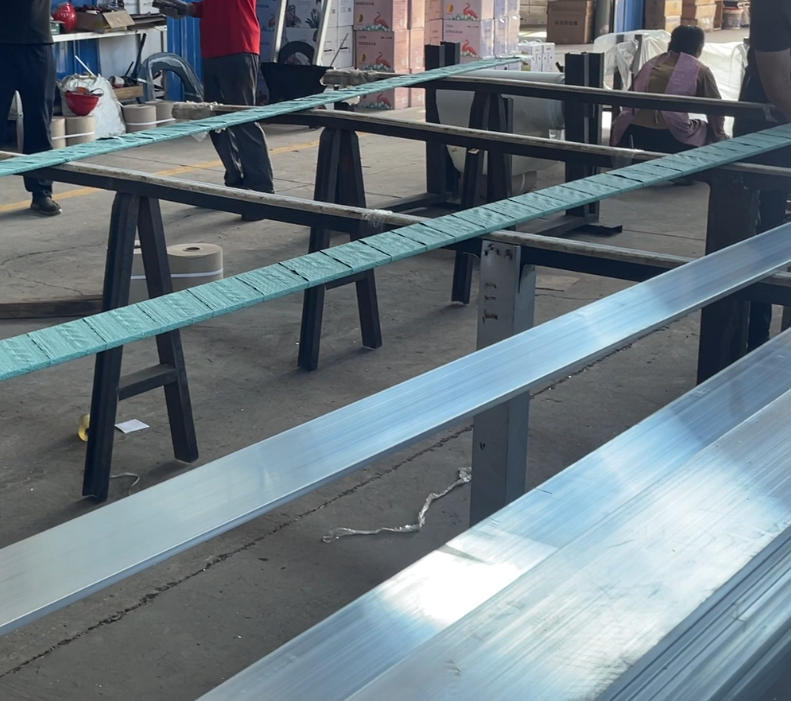
A Practical Way to Match Aluminum Busbar for Switchgear
- Confirm continuous load, peak load, and allowable temperature rise.
- Review humidity, corrosive exposure, and maintenance access.
- Match grade selection to conductivity or mechanical strength priorities.
- Check forming quality, supply consistency, and downstream customization support.
A reliable Aluminum busbar for switchgear decision usually comes from comparing operating conditions, not from copying a previous project.
Before finalizing, map the real load path, installation limits, and lifecycle risk so the selected busbar fits both the cabinet and the system behind it.
Navigation
Send Us A Message
Professional field of aluminum bars
24/7 before-sales and after-sales services
Comprehensive technical support