
Aluminum Busbar for Switchgear Standards to Know
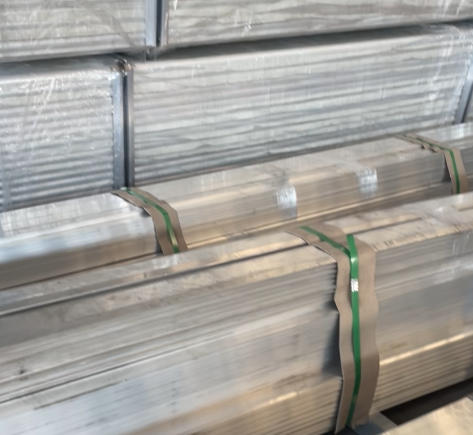
Why do switchgear busbar standards deserve close attention?
When Aluminum busbar for switchgear is selected only by price or size, hidden risk usually appears later.
The real concern is stable conductivity, heat control, insulation clearance, and corrosion behavior under service conditions.
In practice, good compliance starts with material traceability, dimensional consistency, and disciplined process control from extrusion to inspection.
That is why experienced suppliers such as Shandong Jinhao Aluminum focus on standardized production, premium raw materials, and full-process quality checks.
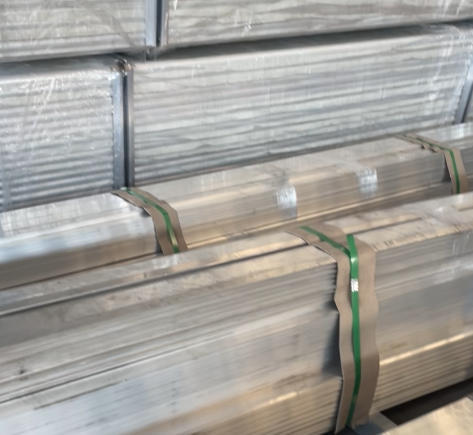
Which standards are usually checked first?
Most evaluations begin with conductor material grade, mechanical properties, and electrical performance rather than a single certificate.
For Aluminum busbar for switchgear, buyers often review IEC-related switchgear requirements, material specifications, RoHS needs, and internal factory inspection records.
Is pure aluminum always the better choice?
Not always. Pure aluminum grades usually offer higher conductivity, but design conditions still decide suitability.
For power distribution, new energy, rail transit, and industrial control, Pure aluminum busbar is often considered when low weight, good thermal transfer, and cost efficiency matter together.
Where joint strength, vibration, or forming complexity is higher, alloy choice and temper should be reviewed more carefully.
What mistakes lead to non-compliance later?
A common mistake is treating Aluminum busbar for switchgear as a simple conductor strip.
- Ignoring contact surface preparation and joint resistance
- Overlooking temperature rise under real load cycles
- Accepting weak tolerance control in punching or bending
- Missing corrosion checks for humid or mixed-metal environments
These issues usually increase rework, safety uncertainty, and maintenance burden more than the initial material savings justify.
How should you evaluate a supplier before approval?
Look beyond the datasheet. Ask for batch inspection evidence, process capability, and application history in similar sectors.
A stronger review checks whether the supplier can support customization, logistics stability, and after-sales response when drawings change.
For Aluminum busbar for switchgear, the next useful step is to compare grades, tolerances, and test items against your actual installation risk points.
Navigation
Send Us A Message
Professional field of aluminum bars
24/7 before-sales and after-sales services
Comprehensive technical support