
Aluminum Busbar for Switchgear: Cost vs Lifespan
Aluminum Busbar for Switchgear: Cost vs Lifespan
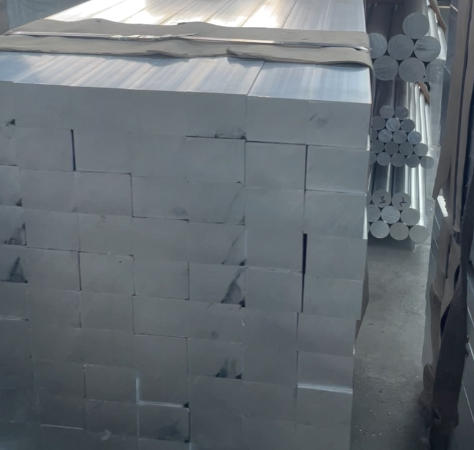
When evaluating Aluminum busbar for switchgear, procurement teams often focus first on price—but long-term value depends on far more than upfront cost.
Factors such as conductivity, corrosion resistance, fabrication quality and service life all influence total ownership cost.
Understanding this balance helps buyers make smarter sourcing decisions for reliable switchgear performance and sustainable project returns.
Why Upfront Cost Is Only Part of the Decision
A lower unit price can look attractive, especially in large-volume switchgear projects.
But Aluminum busbar for switchgear should be assessed through total lifecycle cost, not invoice price alone.
Poor dimensional accuracy, unstable alloy quality or weak surface treatment can shorten service life.
That usually leads to overheating, connection issues, maintenance downtime and earlier replacement.
Key Factors That Affect Lifespan
The best Aluminum busbar for switchgear balances electrical performance with mechanical reliability.
- Conductivity: high-purity grades like 1060 and 1070 reduce resistance and energy loss.
- Strength: 6061-T6 and 6063 offer better deformation resistance in demanding assemblies.
- Corrosion resistance: critical for humid, outdoor or industrial environments.
- Thermal conductivity: helps control heat buildup and supports stable cabinet operation.
In practical sourcing, these details often matter more than a small price difference.
How to Compare Suppliers More Effectively
Ask suppliers about alloy traceability, process control, tolerance consistency and inspection standards.
Also check whether they can support custom busbar systems, cabinet interconnection and grounding layouts.
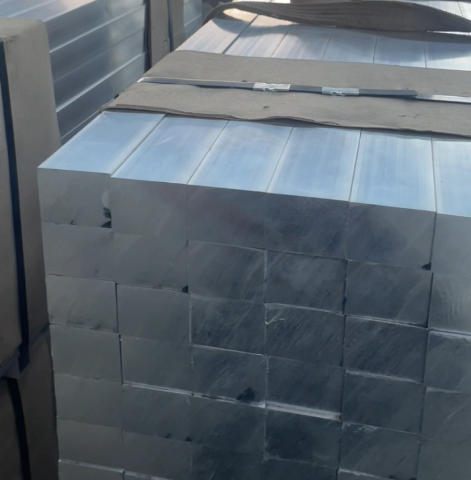
For example, Aluminum Busbar can fit power distribution, rail transit, new energy and industrial electronics projects.
Products with efficient conductivity and lower system weight often deliver better value across scalable installations.
A Practical Buying Approach
A smart Aluminum busbar for switchgear decision usually follows three steps.
- Match alloy grade to current load, environment and installation structure.
- Compare lifecycle factors, including maintenance frequency, heat performance and expected lifespan.
- Choose a supplier with stable quality control and customization capability.
Shandong Jinhao Aluminum Co., Ltd. combines R&D, production and after-sales support for aluminum alloy products.
For buyers, that means Aluminum busbar for switchgear can be sourced with clearer performance data, steadier quality and stronger long-term cost control.
Navigation
Send Us A Message
Professional field of aluminum bars
24/7 before-sales and after-sales services
Comprehensive technical support