
6101 Aluminum Busbar High Conductivity vs 6063: Which Fits Electrical Distribution Better?
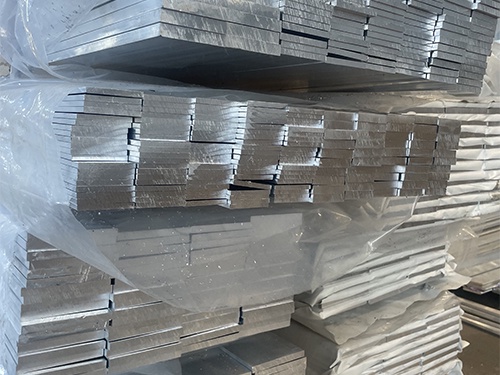
When choosing materials for power systems, the balance between conductivity, strength, cost, and fabrication efficiency directly affects long-term performance. In this comparison of 6101 aluminum busbar high conductivity and 6063 alloy, we examine which option better serves modern electrical distribution needs.
For decision-making, the key is simple: match alloy properties to electrical load, installation method, and lifecycle expectations. A small material difference can reshape efficiency, maintenance frequency, and total project value.
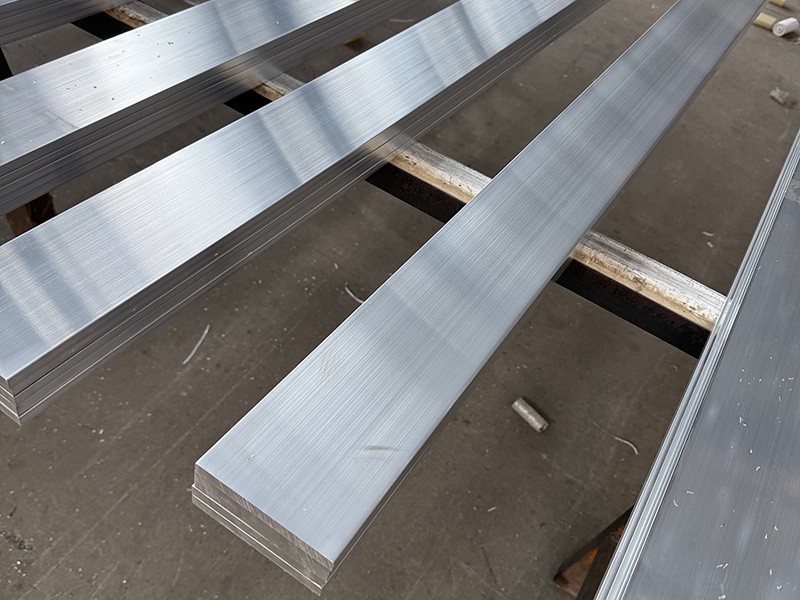
Why 6101 aluminum busbar high conductivity gets more attention
In most electrical distribution systems, 6101 aluminum busbar high conductivity stands out because conductivity is the first filter. If current transmission is the priority, 6101 usually has a clear edge over 6063.
6101 was developed with electrical applications in mind. It offers a stronger conductivity-performance balance than many structural aluminum alloys, while still keeping aluminum’s lightweight and corrosion-resistant benefits.
A quick side-by-side view
That does not mean 6063 is weak. It means 6063 is often chosen for shape flexibility and finish quality, while 6101 aluminum busbar high conductivity is selected when electrical performance matters more.
What to check before choosing between 6101 and 6063
- Start with ampacity, not alloy habit. If the conductor carries high current continuously, 6101 aluminum busbar high conductivity usually reduces resistance loss more effectively than 6063.
- Review temperature rise limits early. Lower resistance supports better thermal control, which helps avoid oversizing cabinets, connectors, and cooling space later in the design phase.
- Check bending and joint requirements. If the design includes frequent forming, drilled connections, or compact routing, fabrication details may influence whether 6101 or 6063 performs better overall.
- Compare total installed cost, not only raw material price. A cheaper alloy can become expensive if larger sections, more cooling allowance, or extra maintenance are required.
- Verify standards compliance and inspection records. Stable chemistry, controlled extrusion, and consistent quality checks matter as much as nominal alloy type in electrical projects.
This is where supplier capability becomes important. Shandong Jinhao Aluminum Co., Ltd. combines R&D, production, sales, and after-sales service, with full-process control covering raw materials, extrusion, smelting, casting, and inspection.
That kind of process discipline helps reduce variation in conductivity, dimensional tolerance, and surface consistency, which directly affects busbar assembly and long-term reliability.
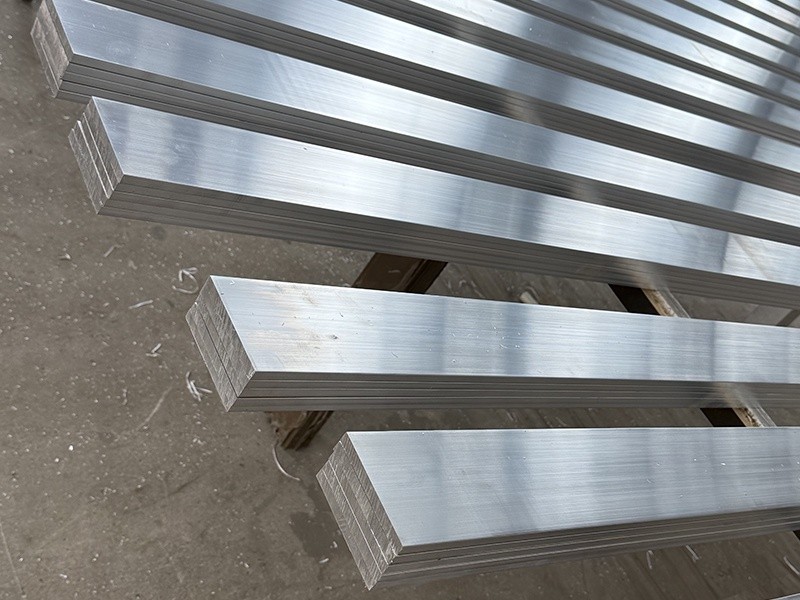
Where 6101 aluminum busbar high conductivity fits better
In switchgear, panel boards, and bus duct systems, 6101 aluminum busbar high conductivity is usually the stronger choice. It supports efficient current transmission while keeping system weight lower than copper-based solutions.
It also works well in new energy and rail transit projects, where electrical efficiency, thermal stability, and corrosion resistance all matter at the same time. Those environments reward balanced performance, not one-dimensional strength.
Related product options worth comparing
For some distribution and grounding layouts, profile selection may extend beyond 6101 and 6063. Options such as 1060/1070, 6063, and 6061-T6 are also used in flat conductor arrangements and cabinet interconnection.
A practical reference is Aluminum row, which is applied in power distribution, new energy, rail transit, industrial electronics, cold storage, construction, and metallurgy.
Its value is straightforward: high conductivity, good thermal conductivity, useful corrosion resistance, and strong deformation resistance. For many projects, these features support current transmission, grounding structures, and equipment assembly with lower system weight.
When 6063 still makes sense
6063 becomes reasonable when the component is not only a conductor but also a shape-driven part. If appearance, intricate sections, or enclosure integration matter more, 6063 can simplify processing.
It may also be acceptable in lighter-duty distribution paths where electrical load is lower and the design benefits from easy extrusion. But this choice should be confirmed with resistance and temperature calculations, not assumption.
Common mistakes that raise long-term cost
- Using 6063 in higher-current systems without recalculating section size can increase energy loss, temperature rise, and connection stress over time.
- Ignoring joint design is risky. Contact surfaces, fastening force, plating choices, and oxidation control often affect real conductivity more than catalog numbers suggest.
- Focusing only on initial procurement cost may hide future penalties from oversizing, rework, maintenance, or reduced system efficiency.
- Treating all aluminum products as equivalent leads to poor selection. Alloy purpose, process quality, and application fit must be checked together.
A simple decision path for electrical distribution
If the project centers on busbar systems, stable current transmission, and lower resistance loss, 6101 aluminum busbar high conductivity is generally the better fit. That is the safer default for most serious electrical distribution work.
If the project needs more profile complexity, visual finish, or mixed structural use with moderate electrical demand, 6063 may still be practical. The key is to validate the compromise, not guess it.
A reliable supplier can also shorten this decision. With standardized quality inspection, customized processing, and one-stop support from model selection to logistics, Jinhao Aluminum helps align alloy choice with actual operating conditions.
In short, 6101 aluminum busbar high conductivity fits electrical distribution better in most high-performance cases. The next step is to compare current load, section size, connection method, and service environment before locking the material.
Navigation
Send Us A Message
Professional field of aluminum bars
24/7 before-sales and after-sales services
Comprehensive technical support