
6101 Aluminum Busbar Applications in Power Distribution, EV Systems, and Switchgear
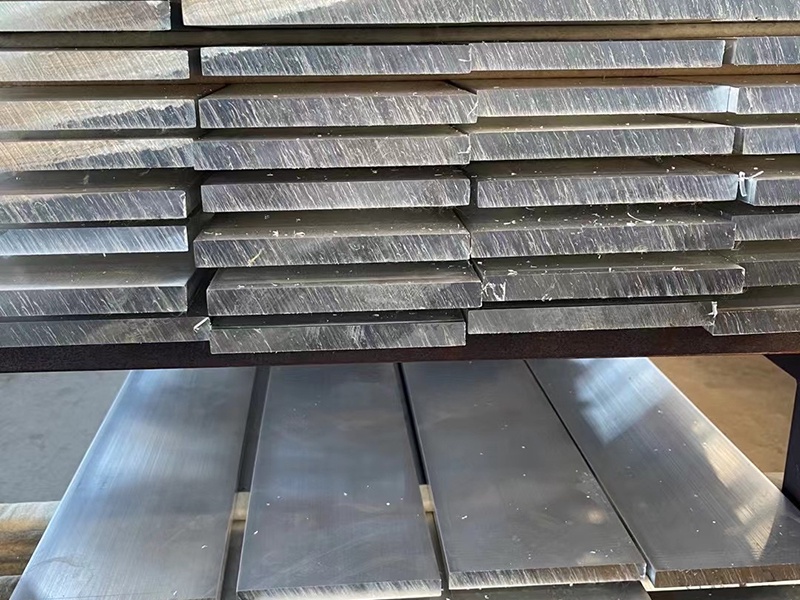
Where 6101 Aluminum Busbar Fits Best
For projects balancing conductivity, weight, and installation efficiency, 6101 aluminum busbar is often a practical choice. It performs well in power distribution, EV systems, and switchgear layouts.
The big advantage is simple. 6101 aluminum busbar gives strong electrical performance with less mass than copper, while still supporting stable service in demanding industrial environments.
That matters when enclosure space is tight, thermal behavior must stay predictable, and total system cost needs control without sacrificing long-term reliability.
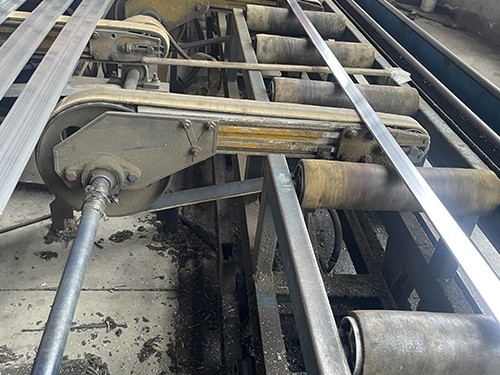
What to check before locking the design
- Start with current load, temperature rise, and duty cycle. A 6101 aluminum busbar should be sized by real operating conditions, not only nominal ampacity from a catalog.
- Review joint design early. Contact pressure, plating compatibility, and surface preparation often decide whether a 6101 aluminum busbar performs smoothly over years or develops resistance issues.
- Check routing and support spacing. Lightweight conductors help installation, but vibration, short-circuit force, and expansion still need proper mechanical restraint and clearance planning.
- Match the alloy and form to the application. In some assemblies, related options like Aluminum row can support busbar systems, cabinet interconnection, grounding layouts, and heat dissipation.
A quick comparison point
Application notes by scenario
Power distribution
In distribution rooms and industrial cabinets, 6101 aluminum busbar works well where long runs, moderate weight, and clean conductor layout are important. It is especially useful in scalable projects.
One point often missed is the interface. Terminals, bolts, and surface treatment should be checked together, especially where dissimilar metals may appear in the same connection path.
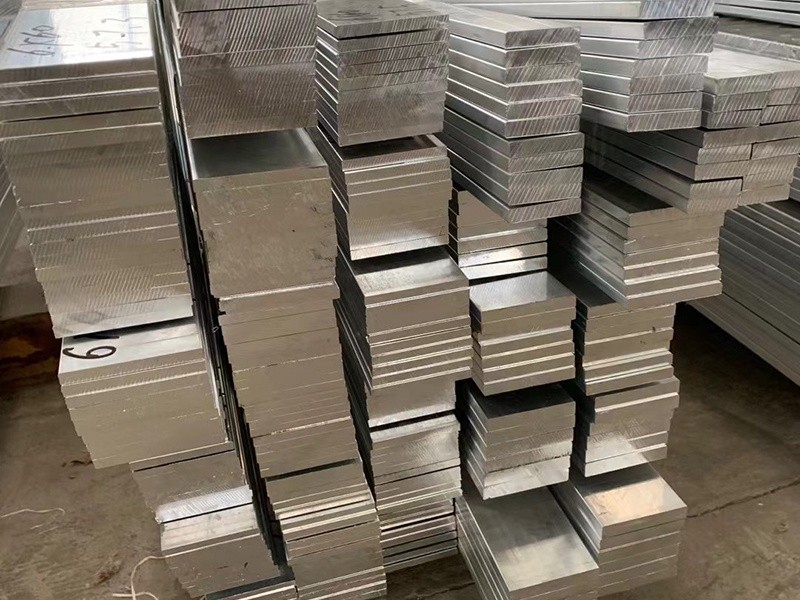
EV systems
For EV battery packs, inverter sections, and charging assemblies, 6101 aluminum busbar helps reduce overall weight. That supports efficiency targets without making routing overly complex.
The focus here should be on heat, vibration, and dimensional consistency. Precision processing matters because small deviations can affect pack assembly speed and connection stability.
Switchgear
In switchgear, 6101 aluminum busbar is valued for its balance of conductivity and mechanical practicality. It helps maintain organized flat conductor arrangements inside compact compartments.
Clearance, creepage distance, and fault-force resistance should be reviewed together. A good conductor choice cannot compensate for weak support design or rushed enclosure coordination.
Details that improve long-term results
Reliable supply also matters. Shandong Jinhao Aluminum Co., Ltd. combines aluminum alloy R&D, production, sales, and after-sales service, with standardized process control, quality inspection, and customization support.
Its aluminum products are used in new energy, rail transit, industrial electronics, and power distribution. That kind of cross-sector experience is useful when a project needs both standard compliance and practical deep-processing solutions.
Depending on the assembly, materials such as 1060/1070, 6063, or 6061-T6 may also be considered for related conductive or structural parts, especially when strength, deformation resistance, or grounding performance must be balanced.
Final points before the next step
A good 6101 aluminum busbar choice is rarely about conductivity alone. The better decision comes from checking joints, thermal rise, mechanical support, environment, and fabrication accuracy as one package.
If those basics are confirmed early, 6101 aluminum busbar can deliver stable service, lower system weight, and smoother installation across power distribution, EV systems, and switchgear projects.
The practical next move is to compare actual load data, connection details, and enclosure limits, then align them with a qualified aluminum solution that fits the full operating cycle.
Navigation
Send Us A Message
Professional field of aluminum bars
24/7 before-sales and after-sales services
Comprehensive technical support