
6063 Aluminum Busbar for Electrical Substations: Suitable Ratings, Shapes, and Limits
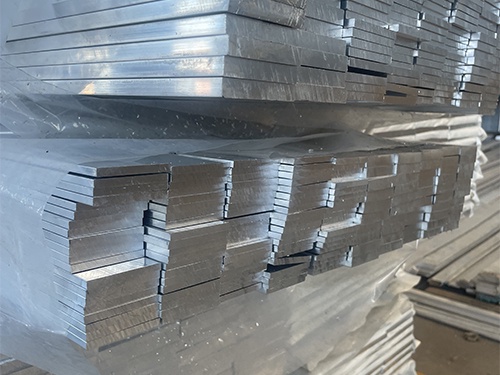
Why 6063 Aluminum Busbar for Electrical Substations Gets Considered
For technical evaluators comparing conductor materials for grid projects, 6063 aluminum busbar for electrical substations offers a practical balance of conductivity, strength, corrosion resistance, and fabrication flexibility.
It is not the highest-conductivity aluminum grade, and that matters. Still, it can be a smart fit where forming accuracy, moderate strength, cleaner surfaces, and weather resistance are all part of the decision.
In real projects, the key question is simple: can 6063 aluminum busbar for electrical substations carry the required current without creating thermal, mechanical, or lifecycle issues?
What to Check First Before Locking the Grade
Start with current, temperature rise, span arrangement, joint count, enclosure condition, and corrosion exposure. These factors usually decide suitability faster than catalog data alone.
- Match current density to actual cooling conditions. Open-air busbars tolerate more load than enclosed layouts, so the same section may perform very differently in service.
- Check mechanical demand early. If the busbar must resist vibration, handling damage, or longer unsupported spans, 6063 often performs better than softer pure aluminum grades.
- Review connection design, not only base metal. Contact resistance, surface treatment, bolt pressure, and expansion behavior can limit system reliability before conductor rating does.
Consider the full project environment. Humidity, salt, industrial pollution, and mixed-metal contact all influence whether 6063 aluminum busbar for electrical substations remains economical long term.

Suitable Ratings: Where 6063 Usually Fits Best
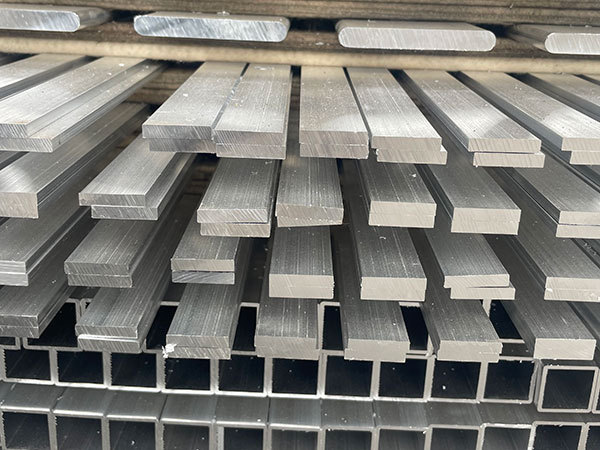
6063 is commonly chosen for low to medium current busbar duties, especially where shape consistency and fabrication matter. It is often workable in distribution links, cabinet interconnections, grounding structures, and auxiliary substation circuits.
For very high continuous current, pure aluminum grades such as 1060 or 1070 usually offer better conductivity per cross-section. That means a smaller temperature rise, or a smaller bar for the same load.
As a quick rule, 6063 aluminum busbar for electrical substations is more attractive when mechanical stability and fabrication convenience outweigh the conductivity advantage of purer grades.
Common Shapes and Why Shape Changes the Result
Flat bars remain the most common option. They are easy to install, simple to stack, and predictable in joint design. For many substations, this is still the easiest starting point.
But 6063 also supports more complex profiles. Hollow or shaped sections may improve stiffness, heat dissipation, or mounting convenience, especially when busbar geometry must share space with supports or enclosures.
- Use flat rectangular sections when current path simplicity and joint accessibility matter most. They are easier to inspect, clean, and replace during later maintenance work.
- Choose shaped or reinforced sections when span stiffness is critical. Better geometry may reduce deflection without switching immediately to a heavier alloy or thicker bar.
Do not size by area alone. Surface exposure affects cooling, so two bars with similar cross-section can deliver different operating temperatures under the same load.
A practical product reference
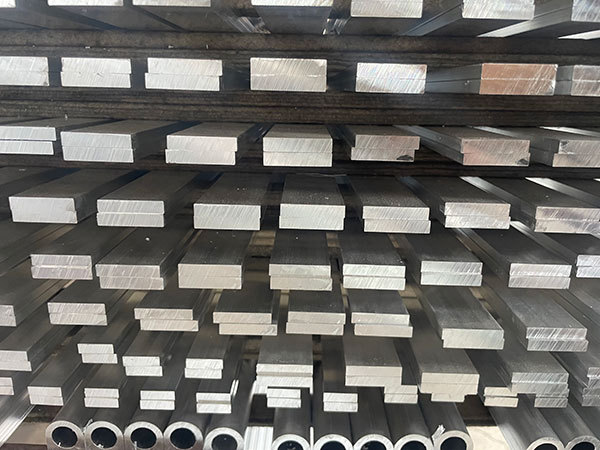
In aluminum conductor systems, options such as Aluminum row may cover 1060/1070, 6063, and 6061-T6 selections for power distribution, new energy, rail transit, and industrial electronics.
That kind of range is useful because conductor choice is rarely one-grade-fits-all. Some locations need high conductivity. Others need better deformation resistance, grounding adaptability, or stable heat dissipation.
Where 6063 Aluminum Busbar for Electrical Substations Works Well
In auxiliary bus systems, indoor substations, and medium-current assemblies, 6063 often makes sense. The material gives a good mix of corrosion resistance, processing quality, and practical structural performance.
It is also useful where appearance consistency, machining, or custom profiles matter. Companies with strong extrusion and deep-processing control can turn that into faster installation and cleaner fit-up on site.
Shandong Jinhao Aluminum Co., Ltd. supports this kind of application through integrated R&D, production, precision extrusion, smelting, casting, quality inspection, and full-cycle service for aluminum alloy products.
Limits That Should Not Be Ignored
The main limit is conductivity. If compact size and maximum ampacity are top priorities, 6063 aluminum busbar for electrical substations may be less efficient than higher-conductivity pure aluminum alternatives.
Another common oversight is joint behavior. Aluminum oxide films, poor contact preparation, or incompatible hardware can raise resistance and heat. In many failures, the connection is the weak point, not the bar body.
- Allow for thermal expansion in support and joint layout. Aluminum moves noticeably with temperature, and restrained designs can loosen hardware or distort alignment over time.
- Verify galvanic compatibility where copper parts are present. Proper transition design and surface treatment help prevent corrosion problems that undermine long-term electrical stability.
- Treat outdoor exposure as a system issue. Pollution level, water traps, and enclosure ventilation can reduce the practical margin of 6063 aluminum busbar for electrical substations.
A Simple Decision Path for Evaluation
If the project needs the best conductivity first, compare 1060 or 1070. If it needs a more balanced package of strength, corrosion resistance, profile flexibility, and lifecycle value, 6063 deserves a close look.
If short-circuit forces, span stiffness, or demanding mechanical service are more severe, 6061-T6 may enter the comparison. The right answer depends on the whole operating condition, not one property sheet.
A good next step is to define actual current, ambient range, mounting geometry, and connection method, then compare section size and temperature rise across grades. That will show whether 6063 aluminum busbar for electrical substations is the right technical and economic fit.
Navigation
Send Us A Message
Professional field of aluminum bars
24/7 before-sales and after-sales services
Comprehensive technical support