
2026 Market Outlook for Conductive Aluminum Busbar Applications
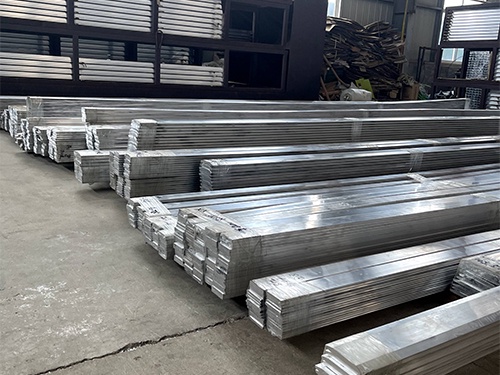
The 2026 market outlook for Conductive aluminum busbar applications is shaped by three converging pressures: electrification, energy efficiency, and tighter capital discipline.
That combination is pushing more projects toward lighter conductor systems that still deliver stable electrical performance, manageable cost, and dependable long-term supply.
Why this segment is moving up the procurement agenda
A Conductive aluminum busbar is no longer viewed only as a substitute for heavier or more expensive conductor options.
In many installations, it is becoming a design choice tied to weight reduction, thermal behavior, corrosion resistance, and easier system integration.
This matters most where power density rises while operators still need installation flexibility and predictable lifecycle economics.
Where demand is expected to grow in 2026
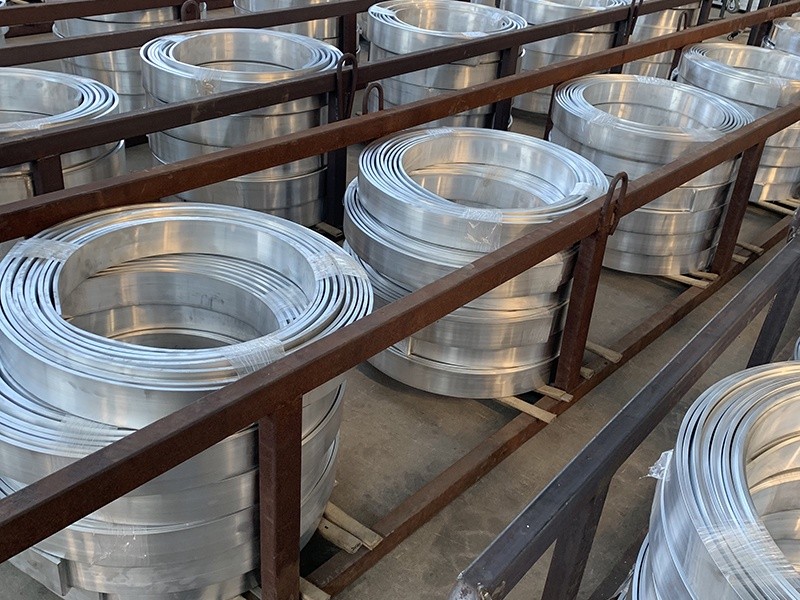
Demand for Conductive aluminum busbar solutions is broadening across established and emerging sectors.
Refrigeration, metallurgy, and building systems also show steady interest, especially where thermal transfer and cost efficiency must be balanced.
What buyers should evaluate beyond conductivity
Conductivity remains central, but it should not be assessed in isolation.
Material grade, dimensional tolerance, surface condition, joining compatibility, and corrosion behavior all influence operational reliability.
For many projects, 1060, 1070, 6063, or 6061-T6 selections reflect different priorities in forming, strength, and installation environment.
A practical reference is Pure aluminum busbar, used in power distribution, rail transit, new energy, and industrial systems.
Its value comes from a workable balance of high conductivity, light weight, good thermal conductivity, and natural surface oxidation that supports corrosion protection.
Manufacturing quality will matter more than headline pricing
In 2026, supply chain reliability is becoming part of technical evaluation.
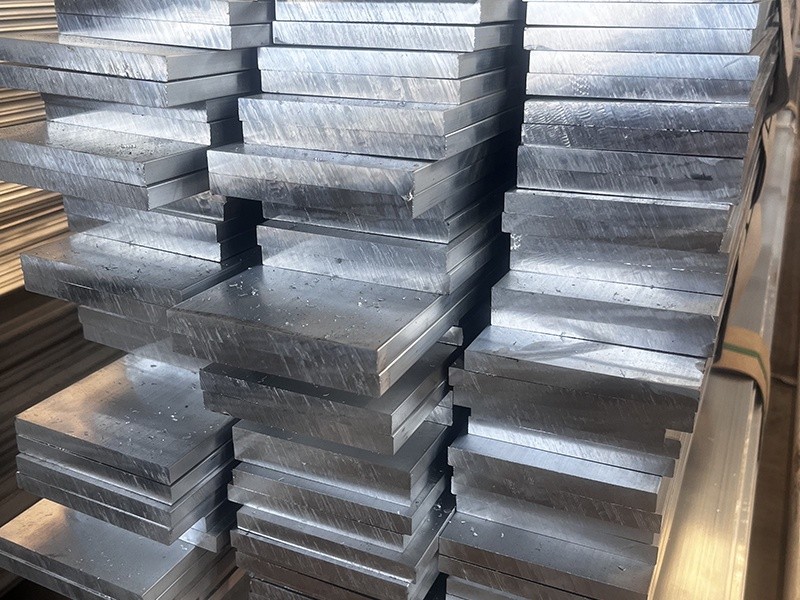
Consistent smelting, casting, extrusion, and deep-processing capability reduce variation that can affect fit, resistance, and downstream assembly.
Shandong Jinhao Aluminum reflects this trend through integrated R&D, production, sales, and after-sales service for aluminum alloy products.
With standardized process control, quality inspection, and compliant manufacturing, the company supports projects needing stable aluminum profiles, bars, rods, and custom processing.
Its logistics advantages in Shandong also matter when delivery timing becomes part of project risk management.
A useful framework for 2026 decisions
- Match the Conductive aluminum busbar grade to current load, installation method, and service environment.
- Check whether lightweight benefits reduce structural cost elsewhere in the system.
- Review corrosion and thermal performance under actual operating conditions, not only lab data.
- Confirm process consistency, inspection standards, and customization responsiveness.
- Compare total lifecycle value rather than unit price alone.
The strongest opportunities in 2026 will likely come from projects that treat Conductive aluminum busbar selection as both a materials decision and a system design decision.
A sensible next step is to align application scenarios, grade choices, and supplier capability before finalizing procurement standards.
Navigation
Send Us A Message
Professional field of aluminum bars
24/7 before-sales and after-sales services
Comprehensive technical support