
1070 Aluminum Busbar Standards, Tolerances, and Test Requirements
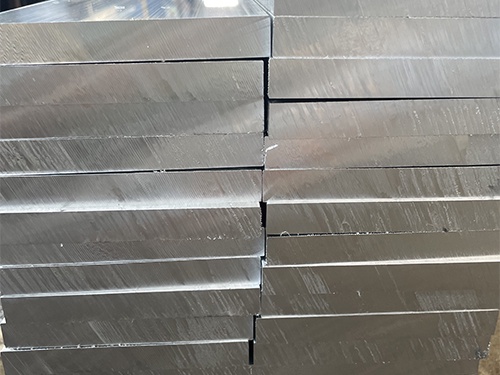
For power distribution and equipment integration, 1070 aluminum busbar performance is shaped by more than conductivity alone. Standards, dimensional tolerances, and test requirements directly affect installation fit, current-carrying stability, and long-term compliance in industrial projects.
Why 1070 Aluminum Busbar Draws Attention
1070 aluminum busbar is a high-purity aluminum conductor, valued for strong electrical conductivity, light weight, and practical corrosion resistance. It is often selected where lower mass, easier forming, and cost control matter alongside reliable electrical performance.
That balance is especially relevant in new energy systems, rail transit, industrial control cabinets, and building power networks. In these settings, material consistency reduces rework, while predictable quality supports safer commissioning and maintenance planning.
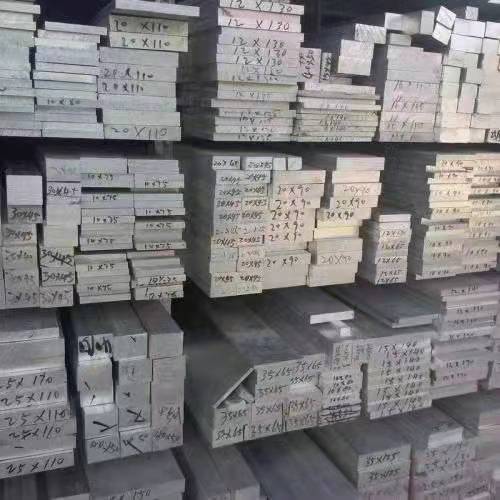
What Standards Usually Cover
When reviewing a 1070 aluminum busbar specification, the main checkpoints usually include chemical composition, temper condition, surface quality, dimensions, straightness, and mechanical or electrical verification. The exact reference standard may vary by market and project requirement.
In practice, the standard is not only a paperwork item. It defines whether the busbar can be machined, bent, drilled, or connected without introducing hidden weaknesses, excessive resistance, or assembly mismatch.
Tolerance Matters More Than It First Appears
Thickness and width tolerances influence contact pressure and joint stability. Length tolerance affects prefabricated installation. Flatness and edge condition also matter, because uneven contact surfaces can raise heat generation at bolted connections.
For that reason, many buyers compare nominal size with actual delivered tolerance bands before release. A suitable Pure aluminum busbar should match both the drawing and the connection method.
Common Test Requirements in Real Projects
Test requirements for 1070 aluminum busbar typically focus on conductivity, dimensional inspection, surface inspection, and sometimes tensile or bend-related checks. For demanding applications, buyers may also request traceability records for raw material batches and processing control.
- Conductivity testing confirms efficient current transfer.
- Dimensional inspection verifies fit with busducts, clamps, and terminals.
- Surface checks identify cracks, burrs, dents, or oxidation issues beyond normal limits.
- Process records help confirm stable extrusion, casting, or finishing quality.
Manufacturers with standardized quality control generally perform these checks more consistently. Shandong Jinhao Aluminum, for example, emphasizes compliant production, premium raw materials, and full-process inspection across aluminum products used in mechanical, energy, and transport sectors.
How to Apply This in Sourcing and Design
A 1070 aluminum busbar should be judged against the actual operating environment. High conductivity is useful, but connection design, corrosion exposure, thermal behavior, and fabrication demands should be checked together.
Where lightweight construction, good thermal conductivity, and processing flexibility are priorities, pure aluminum grades can offer an efficient solution. This is one reason 1060, 1070, 6063, and 6061-T6 options are often evaluated side by side for different assemblies.
The next step is to align drawings, tolerance limits, conductivity targets, and inspection documents before production starts. That approach makes 1070 aluminum busbar selection clearer, reduces installation risk, and supports a more dependable project outcome.
Navigation
Send Us A Message
Professional field of aluminum bars
24/7 before-sales and after-sales services
Comprehensive technical support