
1060 Coiled Aluminum Busbar vs Copper Busbar: Which Is Better for Cost and Weight?
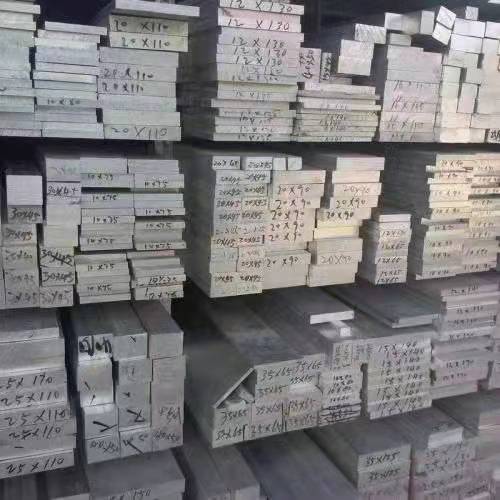
1060 Coiled Aluminum Busbar vs Copper Busbar: Which Is Better for Cost and Weight?
For procurement teams balancing budget, performance, and logistics, choosing between a 1060 coiled aluminum busbar and a copper busbar is more than a material decision.
Cost, weight, conductivity, and processing efficiency all affect total project value.
This guide compares both options in practical terms, helping buyers identify when aluminum delivers the better return and where copper may still hold an advantage.
Why 1060 Coiled Aluminum Busbar Gets Attention
The biggest reason is simple: a 1060 coiled aluminum busbar usually lowers raw material cost.
Aluminum pricing is generally much lower than copper.
That matters even more in large-volume projects, long bus runs, or price-sensitive energy systems.
Weight is the second major advantage.
A 1060 coiled aluminum busbar is far lighter than copper busbar with comparable current-carrying intent.
This reduces transport cost, eases handling, and can simplify installation on site.
Cost Comparison: Material Price Is Only One Part
At first glance, copper seems stronger because of its higher conductivity.
However, procurement decisions should focus on total installed cost, not metal price alone.
- Lower unit price often makes 1060 coiled aluminum busbar the budget-friendly option.
- Lower weight can reduce packing, inland transport, and container costs.
- Coiled supply can improve processing efficiency for continuous production lines.
- Lighter components may reduce labor intensity during assembly.
Copper can still win when space is limited.
Because copper carries more current in a smaller cross-section, it may cut enclosure size.
That can offset some material cost in compact electrical designs.
Weight Difference: A Clear Advantage for Aluminum
If weight is a key buying factor, aluminum usually leads without much debate.
This is especially relevant in rail transit, new energy equipment, and automated production systems.
Lighter busbar systems may help reduce structural load and support frame requirements.
In actual business use, that also means easier warehouse movement and faster on-site positioning.
When Copper Busbar Still Makes Sense
Copper is still the stronger choice in some situations.
- Very tight installation spaces
- Applications requiring maximum conductivity in a smaller section
- Projects with existing copper-based system standards
- Cases where redesign costs are higher than material savings
So the better material depends on the full procurement scenario.
It is not only about conductivity tables.
It is about sourcing risk, processing method, delivery cost, and long-term operating value.
Supplier Capability Matters as Much as Material
A good material choice can still fail if supplier control is weak.
Shandong Jinhao Aluminum Co., Ltd. integrates R&D, production, sales, and after-sales support.
With premium raw materials and standardized inspection, the company supports consistent aluminum product quality.
Its experience across industrial equipment, rail transit, electronics, and new energy helps reduce sourcing uncertainty.
For related machining and fabrication needs, Aluminum rod options in 6061, 3102, and 5050 also support broader production planning.
These alloys are suitable for machined parts, structural supports, and transport-related components.
That flexibility can be useful when a project combines electrical conductors with fabricated aluminum assemblies.
A Practical Buying Checklist
- Compare total landed cost, not just metal quotation.
- Check whether extra aluminum cross-section is acceptable in your design.
- Review logistics, installation labor, and support structure impact.
- Confirm conductivity, corrosion resistance, and forming requirements.
- Assess supplier consistency, inspection standards, and customization ability.
If cost and weight are the main priorities, a 1060 coiled aluminum busbar is often the better buying decision.
If compact size and top conductivity matter more, copper may justify its premium.
The smartest approach is to match the material to the real operating context, then source from a supplier that can deliver stable quality and reliable support.
Navigation
Send Us A Message
Professional field of aluminum bars
24/7 before-sales and after-sales services
Comprehensive technical support