
1060 Coiled Aluminum Busbar Properties Explained: Conductivity, Formability, and Welding Performance
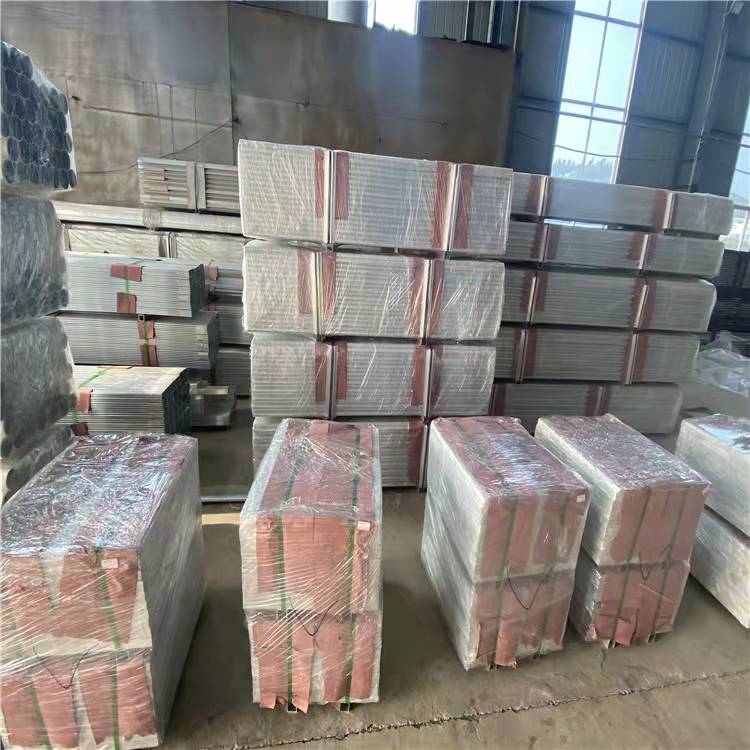
1060 Coiled Aluminum Busbar Properties Explained: Conductivity, Formability, and Welding Performance
For quality control and safety work, material behavior matters more than brochure claims.
That is why 1060 coiled aluminum busbar deserves a closer look before approval, processing, or installation.
Its value comes from high conductivity, easy forming, and practical welding performance.
In demanding systems, those three points directly affect heat rise, dimensional stability, and long-term operating safety.
Why 1060 Coiled Aluminum Busbar Is Widely Selected
1060 aluminum is a commercially pure aluminum grade with very high aluminum content.
That purity supports excellent electrical conduction and good thermal conductivity.
Compared with harder alloys, 1060 coiled aluminum busbar is easier to bend, flatten, punch, and route.
This makes it useful in power distribution, new energy, rail transit, industrial control, and building infrastructure.
Key baseline characteristics
- Very high conductivity for stable current transfer
- Moderate hardness for easier forming and installation
- Good corrosion resistance in typical industrial environments
- Lower weight than copper, helping reduce structural load
Electrical Conductivity: What Should Be Checked
The biggest strength of 1060 coiled aluminum busbar is conductivity.
In real applications, better conductivity means lower resistance and more predictable temperature control.
That also reduces the chance of local overheating at bends, joints, or contact surfaces.
However, conductivity should never be judged by alloy name alone.
Smelting quality, impurity control, surface condition, and coil consistency all affect final performance.
Practical inspection points
- Verify conductivity data against batch records and test methods
- Check thickness and width tolerance across the whole coil
- Inspect oxide condition before jointing or lamination
- Review heat rise behavior under expected current load
When current density is high, even a small variation in material quality can become a safety issue.
Formability: Why It Matters in Processing and Installation
A major reason manufacturers choose 1060 coiled aluminum busbar is its strong formability.
It can be coiled, straightened, bent, and stamped with less risk of cracking than stronger structural grades.
This is especially useful where routing space is tight or where customized shapes are required.
From a safety view, good formability also helps maintain cleaner bends and more consistent contact geometry.
Points to control during forming
- Confirm minimum bend radius for the target thickness
- Check edge quality after slitting or punching
- Watch for springback and flatness after straightening
- Inspect for surface damage that may affect contact resistance
If higher strength and stronger resistance to deformation are required, other alloys may fit better.
Still, for many conductive layouts, 1060 offers the better balance between performance and process flexibility.
Welding Performance: Benefits and Cautions
1060 coiled aluminum busbar generally shows good welding performance when process control is stable.
Its purity helps reduce some welding complications seen in more complex alloy systems.
Even so, aluminum oxide films must be managed carefully before welding.
Poor preparation can increase resistance, weaken the joint, and create hidden reliability risks.
Welding risk checklist
- Remove oxide and contaminants before welding
- Control heat input to limit distortion
- Validate joint conductivity after welding
- Check weld areas for porosity, softening, or uneven fusion
For projects needing efficient current transfer and easier installation, Conductive aluminum busbar solutions are often evaluated together with joint design and finishing methods.
How to Judge Material Consistency Before Approval
Consistency is the real issue behind many field failures.
A compliant supplier should provide traceable raw material control, process records, and full inspection support.
Shandong Jinhao Aluminum Co., Ltd. integrates R&D, production, sales, and after-sales service for aluminum alloy products.
Its production system uses premium raw materials, precision extrusion, smelting, casting, and standardized quality control.
That approach helps support stable quality for sectors such as new energy, rail transit, electronics, and automated equipment.
Approval questions worth asking
- Are conductivity and dimensional results stable across batches?
- Can the supplier support custom processing and traceability?
- Are corrosion resistance and thermal behavior verified for the application?
- Do records cover forming, joining, packaging, and logistics control?
Final Takeaway
1060 coiled aluminum busbar stands out for conductivity, formability, and workable welding behavior.
Those strengths make it a practical choice for applications that need reliable current flow and good process adaptability.
The best results come from checking batch consistency, bend quality, surface condition, and welded joint performance together.
If your next review focuses on safety, cost control, and long-term stability, 1060 coiled aluminum busbar is worth a closer technical evaluation.
Navigation
Send Us A Message
Professional field of aluminum bars
24/7 before-sales and after-sales services
Comprehensive technical support