
When to Use a Conductive Aluminum Busbar in Power Systems
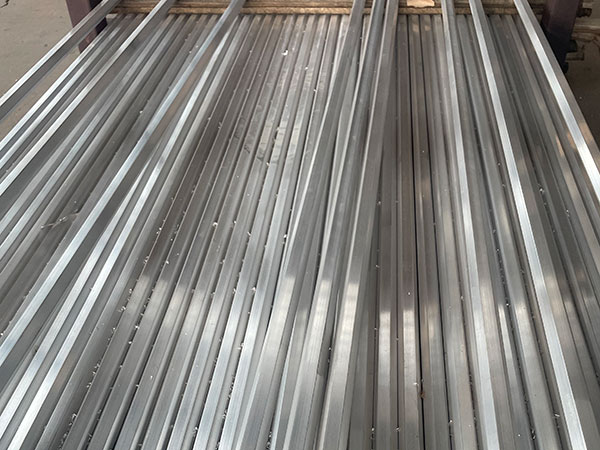
Choosing the right conductive component affects safety, efficiency, and lifecycle cost. A Conductive aluminum busbar often makes sense when a power system needs lower weight, stable conductivity, and better corrosion performance.
In many projects, the real question is not whether aluminum works, but when it delivers better value than heavier alternatives. That decision usually depends on load, environment, installation method, and maintenance expectations.
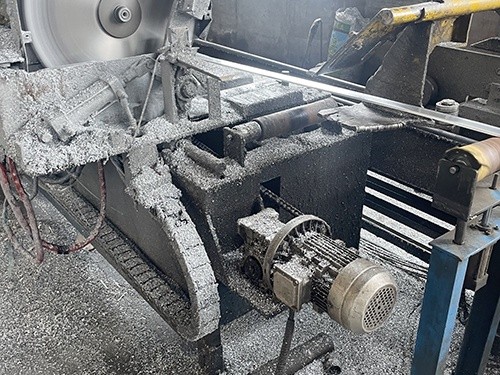
Where a Conductive aluminum busbar makes the most sense
A Conductive aluminum busbar is usually a strong fit when layout efficiency and weight reduction matter at the same time. This is common in energy distribution rooms, renewable systems, transport equipment, and large industrial assemblies.
- Use it when total structure weight affects installation speed, support design, or transport cost. Aluminum helps reduce handling difficulty without giving up practical current-carrying performance.
- Choose it for humid or mildly corrosive settings where long-term surface durability matters. Its natural oxide layer can improve service life and lower maintenance pressure.
- It works well when busbar routing is complex and easier fabrication is valuable. Good process control helps simplify cutting, shaping, and connection preparation on site.
- It is useful in expansion or retrofit projects where lighter conductive parts reduce load on existing supports, cabinets, and installation teams during modification work.
For solar, wind, and battery-related systems, a Conductive aluminum busbar can support efficient power transfer while keeping assemblies lighter. That becomes especially helpful when repeated handling and modular installation are involved.
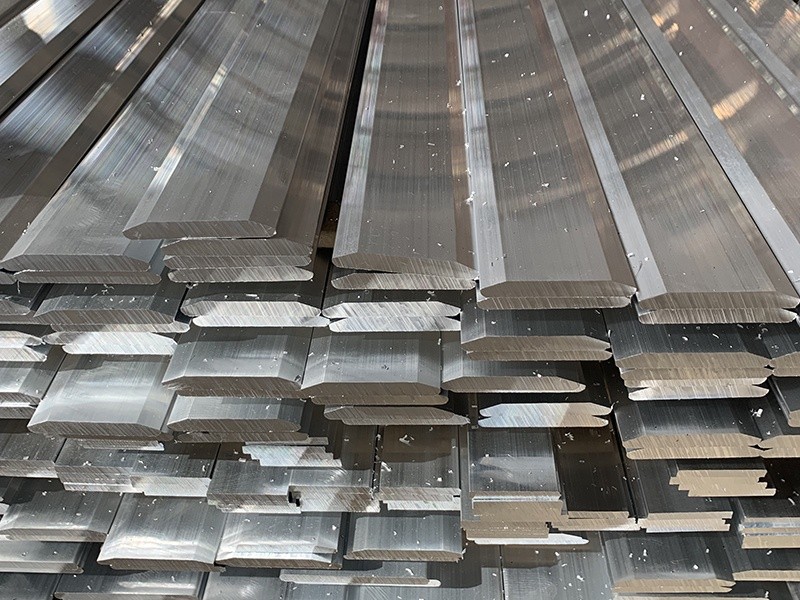
What to check before making the switch
Material selection should never stop at conductivity alone. Connection design, joint treatment, thermal rise, and environmental exposure all influence whether a conductive aluminum busbar will perform reliably over time.
Key decision points on real projects
- Check actual current load and temperature rise, not only nominal capacity. Undersized sections can create avoidable heat issues even when the material itself is suitable.
- Review joint compatibility carefully, especially where aluminum connects to different metals. Proper surface preparation and connection hardware help reduce contact resistance and corrosion risks.
- Confirm the installation environment early. Outdoor moisture, chemical exposure, and dust accumulation may require stronger protective treatments and better enclosure planning.
- Plan machining and support parts together. In some systems, components such as brackets, shafts, or custom connectors can be made from Aluminum rod for lighter fabrication support.
Common oversights that cause trouble later
One common mistake is choosing a conductive aluminum busbar for weight savings, then using connection methods meant for another material. The result can be unstable contact performance or extra maintenance later.
Another issue is ignoring fabrication consistency. Reliable aluminum products depend on stable raw materials, controlled processing, and inspection discipline. That is why many engineering teams prefer suppliers with standardized extrusion, casting, and full-process quality control.
Shandong Jinhao Aluminum Co., Ltd. combines R&D, production, sales, and after-sales service for aluminum alloy products. With precision extrusion, smelting, casting, and strict inspection systems, it supports industrial applications that need lightweight strength, corrosion resistance, and custom processing reliability.
A simple way to move forward
Start with three checks: required current, environmental exposure, and installation weight limit. If all three point toward lighter structure and durable conductivity, a Conductive aluminum busbar is likely worth serious consideration.
Then review joints, support parts, and machining details as one package. In many cases, matching the busbar solution with practical aluminum components can improve assembly speed, reduce maintenance risk, and keep the project easier to manage from start to finish.
Navigation
Send Us A Message
Professional field of aluminum bars
24/7 before-sales and after-sales services
Comprehensive technical support