
What to Check Before Using Aluminum Rod
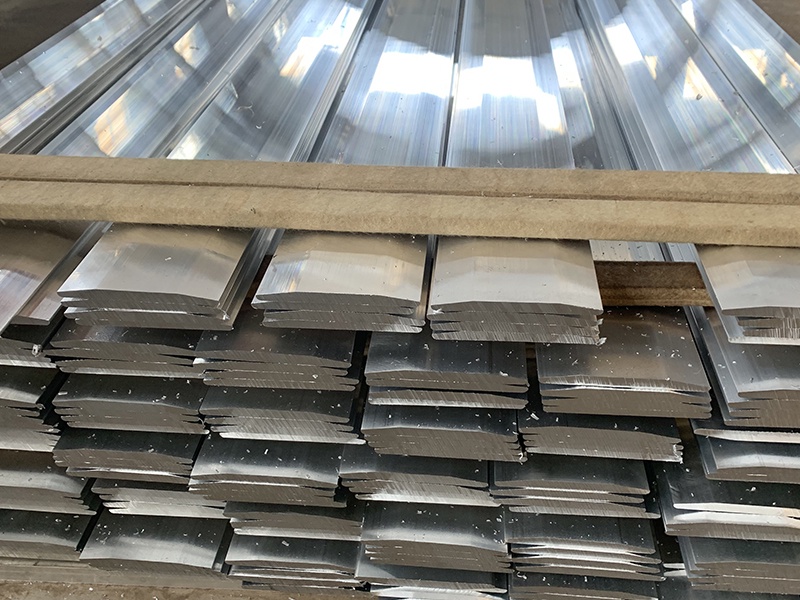
Before using an aluminum rod in production, installation, machining, or procurement, the most important checks are simple but critical: confirm the alloy grade, verify size tolerances, inspect the surface, review mechanical properties, and make sure the rod can withstand the real service environment. For buyers, engineers, operators, and quality teams, these checks are not just routine—they directly affect fit, performance, safety, processing efficiency, and long-term cost. A rod that looks acceptable at first glance may still fail in welding, bending, machining, or corrosion resistance if the specification does not match the job.
This guide explains what to check before using aluminum rod, why each point matters, and how different teams—from purchasing to QC to project management—can make a more reliable decision before material enters production or a supply plan.
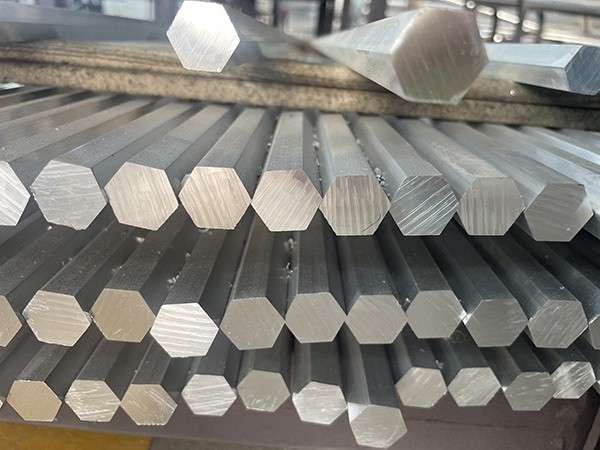
Start with the key question: is the aluminum rod suitable for the actual application?
The first and most practical check is not appearance—it is application fit. Before approving any aluminum rod, you should define where and how it will be used. A rod for automated equipment parts, electrical components, rail transit accessories, or new energy structures may require very different performance characteristics. If the application is not clearly defined, even a high-quality rod can become the wrong material.
Ask these questions first:
- Will the rod be used for machining, forming, welding, or direct assembly?
- Does the application require high strength, light weight, conductivity, or corrosion resistance?
- Will it work indoors, outdoors, in humid conditions, or in contact with chemicals?
- Does the part need strict dimensional consistency for automated production?
- Are there industry standards, customer drawings, or project specifications that must be met?
For technical evaluators and project managers, this step prevents material mismatch. For procurement teams, it reduces the risk of buying based only on price. For operators and QC staff, it makes downstream inspection and handling much easier.
Check the alloy grade before anything else
The alloy grade is one of the most important factors in aluminum rod selection because it determines the basic balance of strength, machinability, corrosion resistance, weldability, and forming behavior. If the grade is wrong, later inspections may not solve the problem.
Different grades are chosen for different priorities. In practical sourcing and use, readers often compare factors such as:
- Strength requirements: Some applications need higher mechanical strength for load-bearing parts.
- Corrosion resistance: Outdoor, marine, or humid environments require better resistance.
- Machinability: If the rod will be cut, turned, drilled, or milled, machining performance matters.
- Weldability: Fabrication projects may require an alloy that performs well during welding.
Electrical or thermal properties: Certain sectors need better conductivity.
Always match the alloy grade to drawings, customer specifications, or operating conditions. Do not rely only on general product naming such as “aluminum rod” without checking the exact designation and temper condition. A professional supplier should be able to provide grade confirmation, inspection data, and supporting documentation. In some custom sourcing discussions, companies may also reference related processing capabilities or product support options through 无 when evaluating supply coordination.
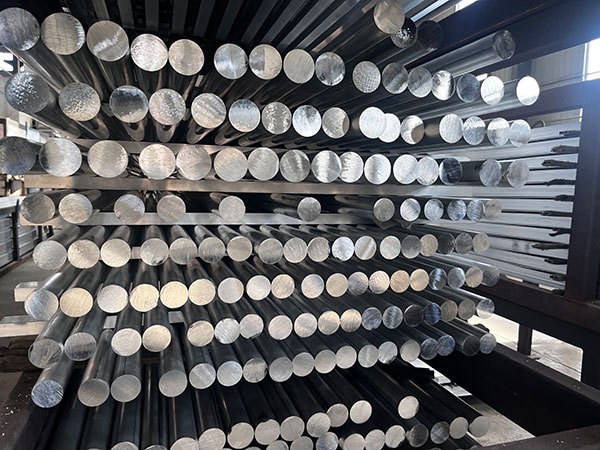
Verify dimensions and tolerances, not just nominal size
Many use problems begin with dimensional deviation. Even if an aluminum rod is made from the correct alloy, problems such as diameter inconsistency, out-of-roundness, length error, or straightness deviation can lead to machining waste, assembly issues, clamping instability, or automated line failure.
The key dimensional items to check include:
- Diameter
- Length
- Straightness
- Roundness
- Weight consistency by batch
This is especially important for:
- Precision machining users
- Automated production line operators
- Distributors managing repeat orders
- Project teams working with strict installation tolerances
Do not inspect only one piece from a shipment. Batch sampling is more reliable, especially when the rod will be used in quantity production. If your process is sensitive, request tolerance standards in advance and confirm them on technical documents before purchase.
Inspect the surface condition for defects that affect processing and service life
Surface quality is not only a cosmetic issue. It often signals whether the rod has been properly produced, handled, and stored. Surface defects can affect machining, coating, anodizing, fatigue behavior, and corrosion performance.
Common defects to check include:
- Scratches
- Dents or impact marks
- Cracks
- Oxidation spots
- Burrs on cut ends
- Contamination from oil, dust, or mixed materials
For quality control and safety personnel, visible defects may indicate deeper process issues. For end users and distributors, poor surface condition can also affect product acceptance and brand trust. If the rod will undergo surface treatment later, pre-treatment cleanliness and consistency become even more important.
Confirm mechanical properties based on real working loads
One of the biggest mistakes in aluminum rod selection is assuming that “aluminum” alone is enough to guarantee performance. In reality, rods can vary significantly in tensile strength, yield strength, hardness, elongation, and structural stability depending on alloy, temper, and manufacturing process.
Before use, review whether the rod meets the mechanical demands of the application, including:
- Static load-bearing needs
- Repeated stress or vibration conditions
- Impact resistance requirements
- Deformation limits during use or processing
If the rod will be machined into a critical component, ask for mill test data or relevant inspection reports. For engineering and business evaluation teams, this is a key step in balancing cost against reliability. A lower-cost material that fails in service usually creates a much higher total cost through downtime, rework, scrap, or claims.
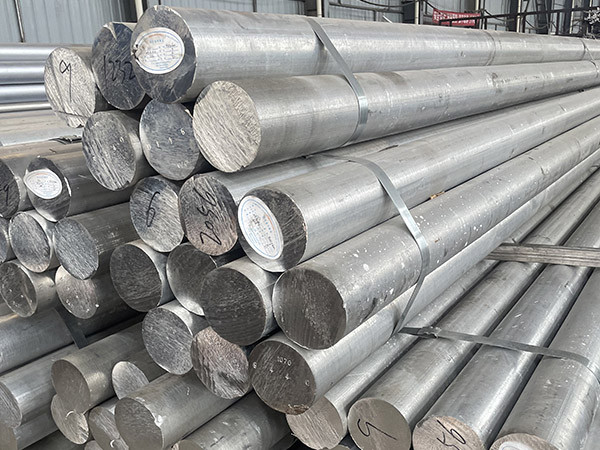
Evaluate corrosion resistance according to the service environment
Corrosion resistance should never be treated as a generic advantage without checking actual exposure conditions. Aluminum materials are known for good corrosion resistance, but the level of resistance still depends on alloy type, surface state, environmental exposure, and whether the rod will contact other metals or chemicals.
You should pay close attention if the rod will be used in:
- Outdoor structures
- High-humidity production areas
- Coastal or salt-rich environments
- Chemical processing areas
- Applications with galvanic corrosion risk
Where corrosion exposure is likely, ask whether additional finishing, coating, or protective packaging is needed. This is particularly relevant for long project cycles, export distribution, and storage before installation.
Review processing compatibility before releasing material to production
Even when material quality is acceptable on paper, the rod still needs to perform well in the next process. That means checking whether it is suitable for cutting, turning, drilling, bending, welding, forging, or other operations required by your workflow.
This matters because poor processing compatibility can cause:
- Tool wear and low machining efficiency
- Surface tearing during forming
- Weld defects
- Dimensional instability after secondary processing
- Excess scrap and labor cost
Operators and production managers should ideally run a small trial before large-scale release, especially for a new supplier, a new grade, or a custom specification. For companies needing broader support across industrial aluminum products and tailored supply, some buyers also review supplier capability references such as 无 during preliminary evaluation.
Check documentation, traceability, and batch consistency
For procurement, QC, and compliance-focused teams, documentation is part of the material check—not an extra step. A reliable aluminum rod supply should come with clear traceability and consistent batch information.
Important records may include:
- Material grade identification
- Temper condition
- Inspection or test reports
- Heat or batch number
- Size and tolerance records
- Relevant standard compliance information
Without traceability, it becomes much harder to manage quality issues, customer complaints, or project audits. For distributors and agents, stable batch consistency is also essential to maintaining downstream customer confidence.
Do not ignore packaging, transport, and storage condition
A good aluminum rod can still become problematic if it is poorly packed, damaged in transport, or stored in the wrong environment. This is especially relevant for imported materials, long-distance shipping, and multi-stage warehouse handling.
Before use, check whether the rod has been:
- Protected from impact and deformation
- Kept dry during storage and transit
- Separated from corrosive substances
- Clearly labeled for identification
- Stored in a way that prevents mixed batches
For purchasing and warehouse teams, these checks help avoid hidden losses before the rod even reaches production.
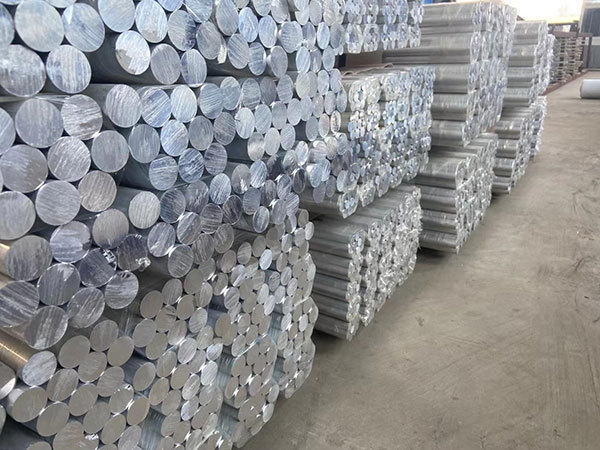
A practical pre-use checklist for buyers, engineers, and QC teams
If you want a fast internal review standard, use this checklist before approving aluminum rod for purchase or production:
- Confirm application scenario and performance requirements.
- Verify alloy grade and temper against drawings or specifications.
- Measure key dimensions and check tolerance compliance.
- Inspect surface condition for visible defects or contamination.
- Review mechanical property data where required.
- Assess corrosion suitability for the actual environment.
- Confirm machinability, weldability, or forming compatibility.
- Check documentation, traceability, and batch identification.
- Inspect packaging, transport condition, and storage status.
- Conduct sample testing if the material is new or critical.
This kind of structured review is useful across multiple roles. It helps technical teams reduce risk, procurement teams compare suppliers more effectively, and business managers make better cost-quality decisions.
Conclusion
Before using aluminum rod, the right approach is to check more than just price or appearance. The safest and most cost-effective decision comes from verifying the alloy grade, dimensions, surface quality, mechanical properties, corrosion resistance, process compatibility, and traceability. These factors determine whether the material will perform reliably in real production and service conditions.
For readers involved in research, procurement, quality control, operations, or project delivery, the main takeaway is clear: the best aluminum rod is not simply the one that is available—it is the one that matches the application, passes inspection, and supports stable long-term performance. A careful pre-use review can prevent costly mistakes and create a much more efficient supply and production process.
Navigation
Send Us A Message
Professional field of aluminum bars
24/7 before-sales and after-sales services
Comprehensive technical support