
What Standards Matter When Buying Aluminum Flat Bar
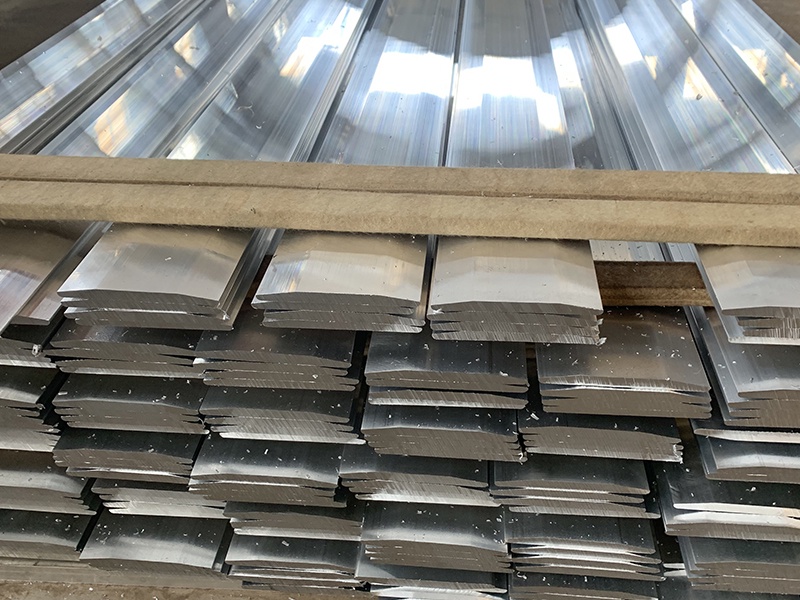
When buying Aluminum Flat Bar, standards are not a paperwork issue. They shape mechanical stability, dimensional consistency, corrosion behavior, and the predictability of downstream fabrication. In projects where cost control and long service life matter, the right specification often prevents rework long before installation begins.
Why standards matter beyond basic compliance
Aluminum Flat Bar is used across equipment frames, transport systems, electrical assemblies, and building components. In these settings, small deviations in alloy, temper, or thickness can change load performance and machining results.
That is why buyers usually look past price per ton. They need evidence that material quality stays stable from batch to batch, especially when projects involve repeated production or export delivery.
The standards that deserve close attention
For Aluminum Flat Bar, the first checkpoint is alloy grade. Standards covering chemical composition confirm whether the bar is suitable for structural use, machining, anodizing, or conductive applications.
Mechanical property standards come next. Tensile strength, yield strength, and hardness help verify whether the product can meet forming, fastening, or support requirements in actual service.
Dimensional tolerance is equally important. Width, thickness, straightness, and edge condition influence assembly efficiency, cutting loss, and the fit of connected parts.
Surface quality standards should not be overlooked. Scratches, oxidation marks, burrs, or extrusion defects may not seem critical at first, but they can affect appearance, coating adhesion, and later processing.
Documents that support reliable evaluation
- Mill test certificates for chemistry and mechanical properties
- Inspection records for tolerance and surface condition
- Traceability data for raw material and production batch
- Confirmation of applicable ASTM, EN, GB, or project standards
How application changes the standard focus
Not every use case values the same properties. Structural supports may prioritize strength and tolerance, while conductive components often focus more on conductivity, heat transfer, and corrosion resistance.
In power distribution cabinets or industrial control assemblies, a profile such as 6063 aluminum busbar may be preferred when balanced conductivity, lighter weight, and easy drilling or bending are required.
This is also where supplier capability matters. A manufacturer with controlled extrusion, smelting, casting, and full-process inspection can align material standards with practical application needs instead of offering only generic stock.
What to check when comparing suppliers
A useful review starts with consistency. Can the supplier maintain the same Aluminum Flat Bar quality across volumes, custom sizes, and repeated orders?
Shandong Jinhao Aluminum builds its supply model around standardized control, verified raw materials, precision processing, and inspection across the full production cycle. That kind of system is often more valuable than a low initial quote.
It also helps to ask whether the supplier supports selection advice, deep processing, logistics coordination, and after-sales response. Standards are most useful when they are backed by execution.
A practical next step
Before placing an order, match Aluminum Flat Bar requirements to the real application: alloy, temper, tolerance, surface finish, and inspection documents. Then compare suppliers on process control, traceability, and customization support.
That approach creates a clearer basis for evaluating long-term value, whether the need is standard bar stock or specialized conductive material for infrastructure, transport, electronics, or energy projects.
Navigation
Send Us A Message
Professional field of aluminum bars
24/7 before-sales and after-sales services
Comprehensive technical support