
What Is 6101 Aluminum Busbar? Key Properties, Uses, and When to Specify It
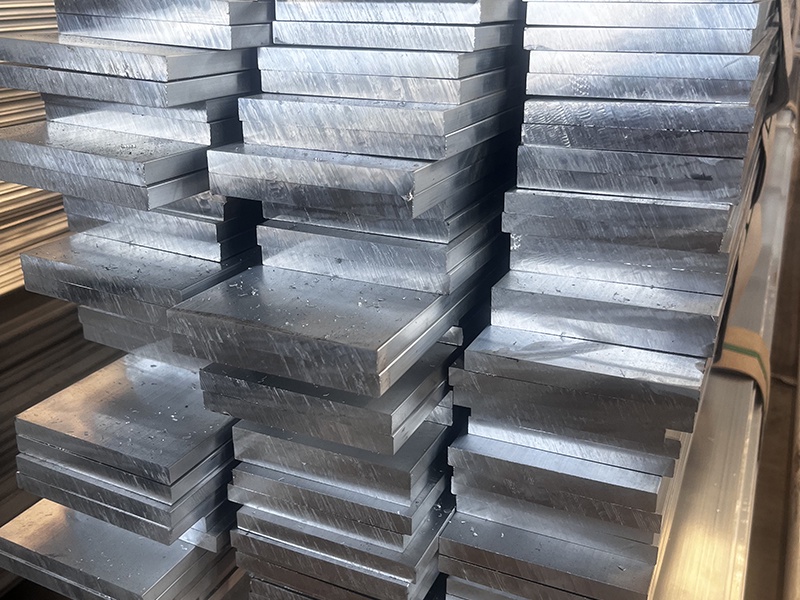
6101 aluminum busbar is a common choice in electrical systems where conductivity alone is not enough. It is valued because it combines good electrical performance with useful mechanical strength, corrosion resistance, and lighter system weight than copper.
That balance matters in power distribution, transport equipment, renewable energy assemblies, and industrial cabinets. When space, weight, cost, and durability all affect design decisions, 6101 becomes a practical material to evaluate rather than a default metal grade.
How 6101 aluminum busbar fits into the aluminum conductor family
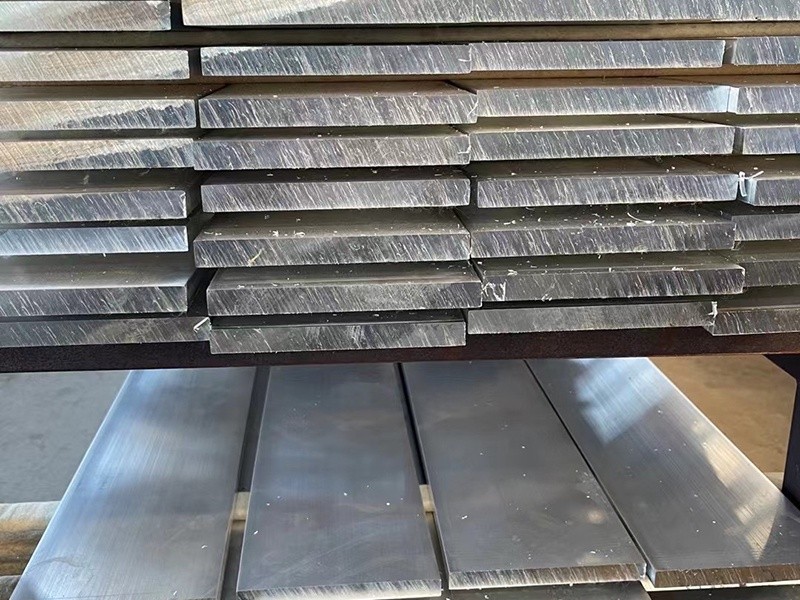
A 6101 aluminum busbar is an aluminum alloy conductor designed mainly for electrical applications. Compared with pure aluminum grades, it offers better strength. Compared with structural alloys, it keeps stronger conductivity for current-carrying duties.
In simple terms, it sits between maximum conductivity and maximum strength. That is why it is often specified for busbar systems, cabinet interconnection, grounding structures, and equipment assembly that must stay reliable over time.
Key properties that make 6101 relevant
The main reason to consider 6101 aluminum busbar is its balanced property profile. It supports current transmission while remaining easier to handle in large installations than heavier alternatives.
- Good electrical conductivity for distribution and connection systems
- Higher mechanical strength than high-purity conductive aluminum grades
- Lower weight, which helps reduce overall equipment mass
- Practical corrosion resistance in indoor and many semi-demanding environments
- Good thermal conductivity, helping manage heat within energized assemblies
These features explain why aluminum busbars remain important in scalable projects. Lower weight can simplify support design, transport, and installation, especially in long runs or high-volume assemblies.
Where 6101 aluminum busbar is commonly used
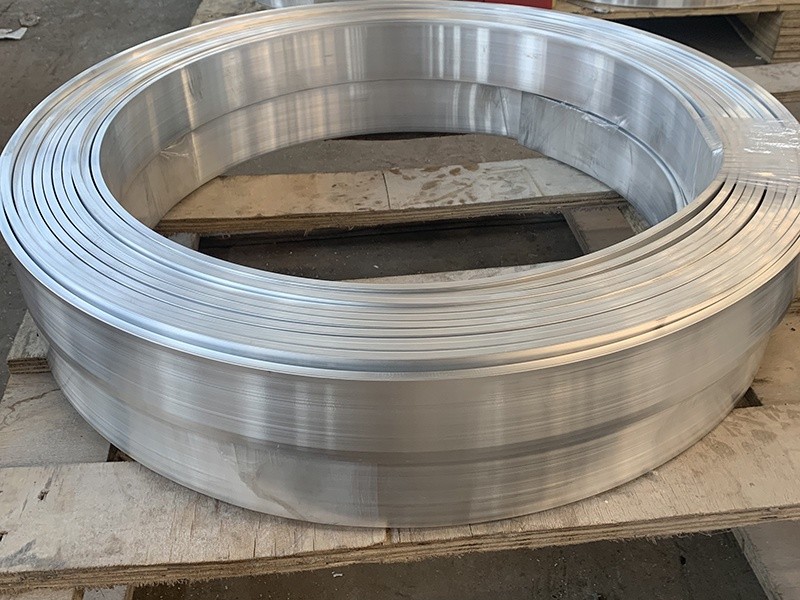
Typical applications extend beyond one industry. The alloy is widely used where electrical performance must coexist with fabrication efficiency and reasonable material cost.
In broader sourcing discussions, other grades may also appear. Some projects compare 6101 with 1060, 1070, 6063, or 6061-T6 depending on whether conductivity, forming, or structural adaptability leads the specification.
When it is the right specification
A 6101 aluminum busbar usually makes sense when the design cannot prioritize only one factor. If the assembly needs decent conductivity plus stronger physical performance than pure aluminum, 6101 often becomes a sensible middle ground.
Good conditions for specifying 6101
- Current-carrying components with moderate structural demands
- Projects sensitive to total weight and transport efficiency
- Installations requiring practical corrosion resistance
- Large-volume systems where copper cost is difficult to justify
It may be less ideal when absolute conductivity is the only target, or when very high structural loads push the design toward other alloys. The right choice depends on the complete electrical and mechanical context.
What to check before final selection
Material selection should not stop at alloy name. Temper, cross-section, surface condition, connection method, and installation environment all influence performance.
That is why experienced suppliers matter. Shandong Jinhao Aluminum combines aluminum alloy R&D, production, deep processing, and after-sales support, with standardized quality control across extrusion, smelting, casting, and inspection.
For projects comparing multiple grades for power distribution, new energy, rail transit, or industrial electronics, it can be helpful to review options from an Aluminum busbar manufacturer that offers custom processing and application-based selection support.
A practical next step is to map operating current, temperature rise limits, span length, joint design, corrosion exposure, and fabrication needs. With those points clarified, it becomes much easier to decide whether 6101 aluminum busbar is the best fit or whether another aluminum grade should be specified instead.
Navigation
Send Us A Message
Professional field of aluminum bars
24/7 before-sales and after-sales services
Comprehensive technical support